The Most Iconic Hip Hop Collaborations

The Most Iconic Hip Hop Collaborations

The Most Iconic Hip Hop Collaborations

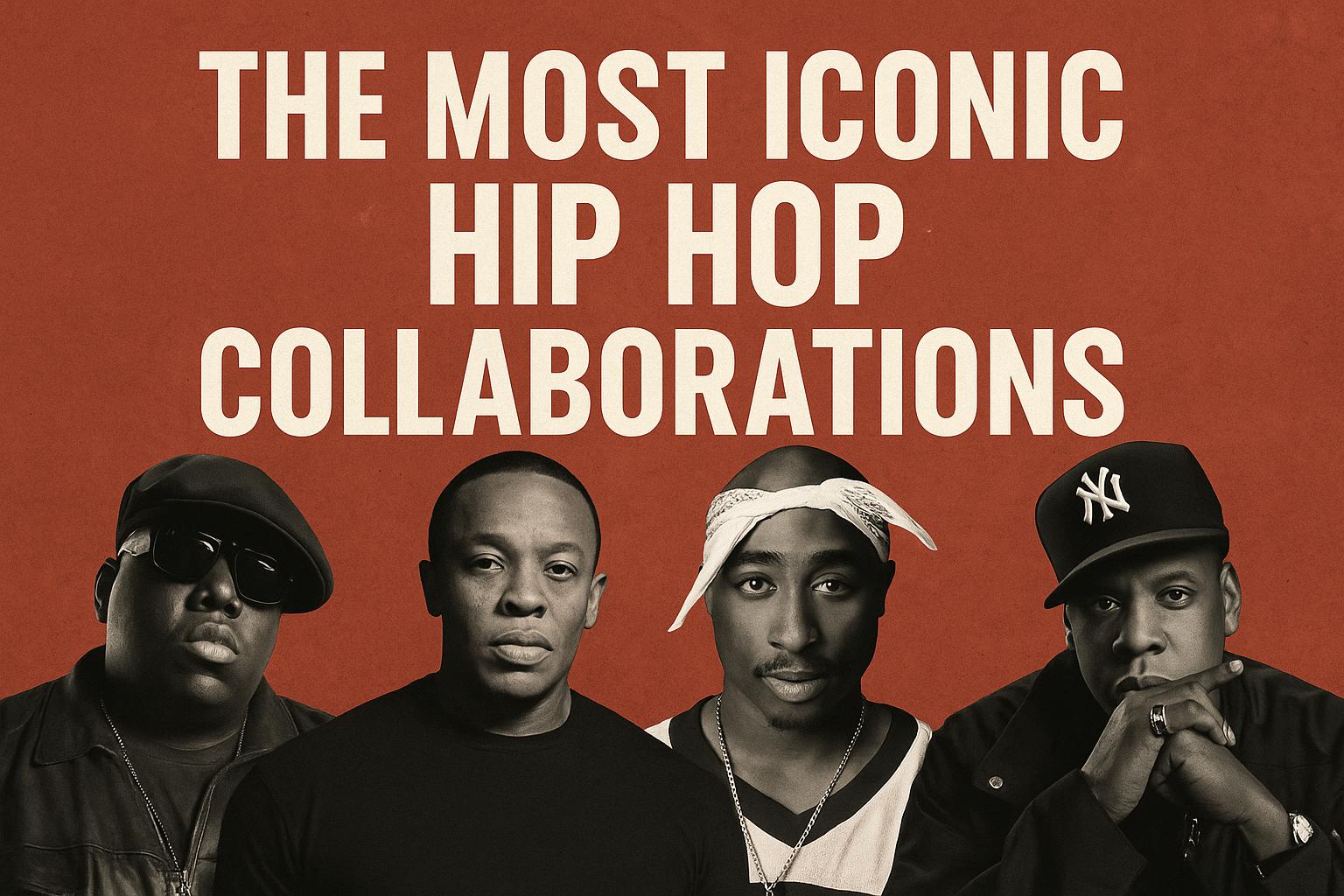
The world of hip hop has witnessed numerous collaborations that have not only defined individual artists’ careers but also left a significant impact on the genre itself. These collaborations often merge diverse styles, creating tracks that are celebrated for their creativity and impact on both the charts and the culture. Through these partnerships, artists find a unique avenue to experiment with their music and reach audiences they might not be able to connect with individually.

Run-D.M.C. and Aerosmith: “Walk This Way”

One of the earliest and most significant hip hop collaborations took place in 1986 with Run-D.M.C. joining forces with rock band Aerosmith for “Walk This Way.” This track is credited with helping to break down barriers between rock and hip hop, introducing the latter to a broader audience. The mixture of Run-D.M.C.’s energetic raps with Aerosmith’s powerful rock elements made it a revolutionary piece. Beyond the music itself, the collaboration had lasting cultural effects, helping to establish hip hop as a mainstream genre in an era dominated by rock and pop music. As a result, artists from different genres began exploring collaborations that might have seemed unlikely before.

Breaking Barriers

The success of “Walk This Way” was pivotal for many reasons. Not only did it bring hip hop into the mainstream consciousness, but it also emphasized the potential for cross-genre collaboration. At a time when musical genres were often siloed, this partnership broke through those boundaries and illustrated the universality of music. It encouraged other artists to think outside the box, making it a pioneering effort in the world of music.

Dr. Dre and Snoop Dogg: “Nuthin’ but a ‘G’ Thang”

In 1992, Dr. Dre and Snoop Dogg released “Nuthin’ but a ‘G’ Thang,” a track that exemplified the laid-back yet energetic essence of West Coast rap. Snoop Dogg’s smooth flow, combined with Dr. Dre’s flawless production, helped cement both artists’ place in hip hop history. This collaboration is often credited with popularizing G-Funk, a subgenre of hip hop that influenced countless artists. G-Funk, characterized by its funky beats and melody-driven hooks, became a defining sound of the 1990s.

The Rise of G-Funk

The creation of G-Funk was revolutionary, highlighting the culture and lifestyle of the West Coast. This subgenre differed from the hardcore East Coast hip hop, offering an alternative that appealed to a wider audience. By combining elements of funk, soul, and hip hop, Dr. Dre and Snoop Dogg were able to craft a timeless sound that continues to influence artists today. The collaboration demonstrated how producer-artist partnerships could transform the landscape of music and foster the growth of new musical movements.

Jay-Z and Alicia Keys: “Empire State of Mind”

In 2009, Jay-Z and Alicia Keys delivered an anthem dedicated to New York City with “Empire State of Mind.” The song features Jay-Z’s iconic verses that capture the essence of the city’s hustle and ambition, coupled with Alicia Keys’ powerful chorus. The collaboration was a commercial success and resonated deeply with audiences, becoming a modern classic.

A Cultural Anthem

The impact of “Empire State of Mind” goes beyond its chart success. It is a tribute to a city rich in culture, history, and influence. Much like New York itself, the song is a melting pot of ideas and sounds, illustrating the city’s dynamic spirit. The song’s appeal extends to anyone who appreciates the vibrancy and resilience of urban life. By celebrating the city in such a timeless manner, Jay-Z and Alicia Keys crafted a track that is played in celebration of various events in New York, effectively becoming an unofficial anthem for the city.

Kendrick Lamar and SZA: “All the Stars”

Released in 2018 as part of the soundtrack for the film Black Panther, “All the Stars” by Kendrick Lamar and SZA combines compelling lyrics with a dynamic production. The collaboration was a critical and commercial success, earning several award nominations and contributing to the film’s cultural impact. The song highlights Kendrick’s lyrical prowess and SZA’s emotive vocal style.

Blurring the Lines Between Music and Film

The integration of “All the Stars” into the Black Panther soundtrack illustrated how music and film can together amplify cultural narratives. As the film itself was groundbreaking in its portrayal of African culture, the soundtrack provided a sonic counterpart that elevated its themes. This position was especially crucial for hip hop, as it showcased its ability to not only entertain but also to support meaningful storytelling in other mediums. It underscored the power of music to influence perspectives, driving the conversation on cultural representation forward.

Linking Artists Across Genres

Collaborations in hip hop often extend beyond the genre, bringing together artists from different backgrounds to create unique works. For instance, the project Beyoncé and Jay-Z’s album Everything Is Love showcases their personal and professional partnership, blending elements of hip hop, R&B, and pop to reflect their versatility and influence.

Expanding Artistic Horizons

By collaborating across genres, artists can explore new sounds and audiences, pushing their creative limits. This expansion is vital in an ever-evolving music industry that demands innovation while respecting tradition. The interchange of ideas across genres often leads to the creation of music that not only appeals to fans of specific genres but also attracts a broader listener base. It encourages diversity in musical expression and promotes an inclusive approach to music-making.

The Impact of Collaborations in Hip Hop

The collaborations listed above are just a few examples of how artists have pushed the boundaries of hip hop, merging diverse sounds and expanding the genre’s reach. Each partnership has contributed to the evolution of hip hop, illustrating how combining different talents can create something both innovative and enduring.

It’s clear that music has the power to transcend borders, not just geographical, but also cultural and artistic ones. The ongoing evolution of these collaborations continues to shape the landscape of modern music, ensuring that hip hop remains a dynamic and continually expanding genre. As the industry moves forward, new and unique collaborations will likely continue to emerge, each bringing fresh perspectives and unheard narratives to the forefront of popular culture.

For those interested in exploring more about hip hop collaborations, various music streaming platforms offer curated playlists and in-depth articles that delve into the history and influence of these iconic partnerships. Through such platforms, fans can discover the varied ways in which hip hop artists collaborate, offering deeper insights into the artistry and innovation that characterize this vibrant genre.
How Hip Hop Helped Shape Street Dance Styles

How Hip Hop Helped Shape Street Dance Styles

The Influence of Hip Hop on Street Dance

The relationship between hip hop culture and street dance is both profound and intricate. Emerging from the 1970s, hip hop significantly impacted various street dance styles, fostering a new mode of expression for urban communities. Through the integration of music, movement, and cultural nuances, hip hop catalyzed the evolution of street dance by providing not just a soundscape but a philosophical and artistic framework wherein street dance could thrive and develop. This narrative explores the historical context and diverse facets of street dance influenced by hip hop, alongside its global impact.

Historical Context

In the early 1970s, the Bronx in New York City became a melting pot of creativity and resilience. Communities facing socio-economic challenges found solace in music and dance, catalyzed by the emergence of hip hop culture. Hip hop was more than merely a musical genre; it was a cultural phenomenon that encompassed various elements such as DJing, MCing, graffiti art, and breaking, or breakdancing. These elements created a cultural tapestry, within which breaking became one of the first identifiable forms of street dance influenced by hip hop.

Breaking: The First Street Dance Style of Hip Hop

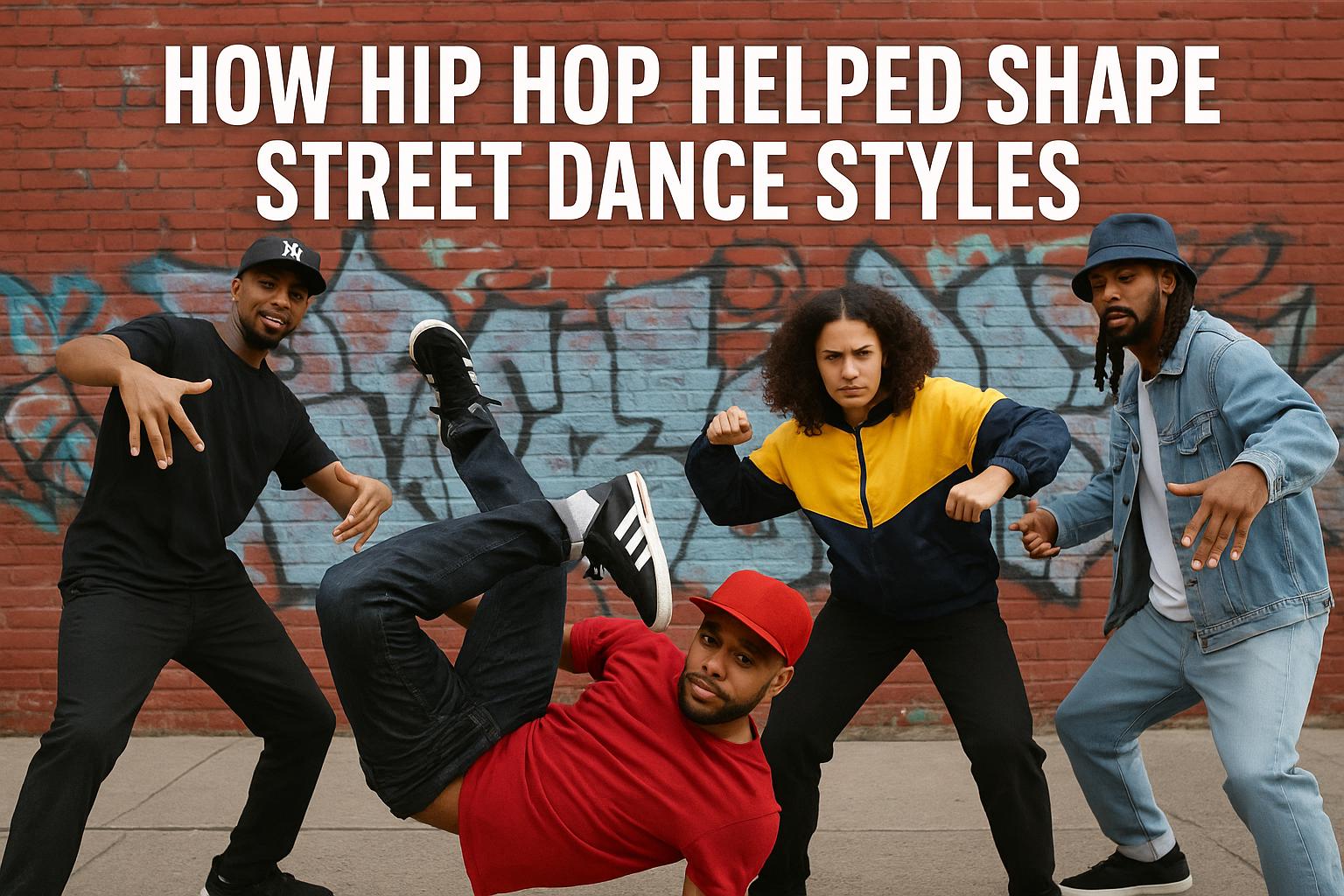
Breaking, often interchanged with breakdancing, is arguably the most recognized street dance style that emerged from the hip hop movement. As pioneers of this dance form, b-boys and b-girls developed a dynamic and acrobatic style, characterized by intricate footwork, spinning moves, and impressive freeze positions. This form of dance was not merely physical activity; it acted as a significant avenue for self-expression, allowing individuals to communicate identity and social messages within the urban milieu. Breaking served as both a personal declaration and social commentary, providing a foundation for the numerous street dance styles that would later evolve.

Expansion and Evolution of Street Dance Styles

As hip hop culture spread beyond the Bronx, it influenced a plethora of street dance styles, each with its distinct flavor yet rooted in the core ideas and ethos of hip hop. The continuity of this influence is staged through the adaptability of these styles which, although independently formed, interwove with the cultural motifs of hip hop.

Popping and Locking: Originating from the West Coast, particularly in California, popping and locking began as separate entities but eventually formed connections with hip hop culture. Influenced primarily by funk music, popping involves the rhythmic contraction and release of muscles, creating a jerky or robotic effect. Locking, distinguished by its sudden pauses and playful demeanor, complements popping by adding vividness and expressiveness, bringing the dancer’s personality to the forefront in a series of playful and energetic gestures.

Krumping and Clowning: Emerging in the late 1990s in Los Angeles, krumping and clowning symbolized a new frontier in street dance. Known for their high-energy movements, these styles became a means for expressing raw emotion. Their aggressive and often unpredictable nature gave youth a platform for channeling their energy into a constructive and creative endeavor, rather than resorting to violence. Born out of a need for a safe outlet for emotions, krumping and clowning expanded the expressive capacity of street dance significantly.

Hip Hop Dance: Often viewed as an umbrella term, hip hop dance encompasses a variety of moves and techniques that developed concurrently with hip hop music. Borrowing from breaking, popping, and locking, as well as infusing techniques from other dance forms, hip hop dance remains in a constant state of evolution. The adaptability and receptivity of hip hop dance to new trends and influences allow it to maintain a dynamic presence in the world of street dance, continually reflecting the ongoing cultural dialogue.

Global Impact and Cultural Exchange

The proliferation of hip hop and street dance on a global scale underscores their universal appeal. As these cultural elements spread through international music and media, they were absorbed, adapted, and reimagined by diverse communities around the world. This global exchange resulted in a symbiotic relationship where international dance styles and cultural nuances flowed back into the broader landscape of street dance, further diversifying and enriching its tapestry. Today, hip hop-inspired street dance is a global phenomenon, with each locality infusing its cultural identifiers, creating an ever-expanding art form.

Furthermore, dance battles and competitions have become international events, bringing dancers from all corners of the globe to showcase their talents and interpretations of hip hop-influenced styles. These gatherings have fostered a sense of community and camaraderie among dancers, breaking down cultural barriers and encouraging cross-cultural understanding and friendship. The creative sharing that occurs in these settings ensures the perpetuation and innovation of hip hop-centered street dance.

Conclusion

Hip hop has undoubtedly played a crucial role in shaping the modern landscape of street dance. The styles that have emerged represent more than artistic expression; they serve as a voice for communities, a medium for protest, and a bridge connecting diverse cultures. As hip hop continues its dynamic evolution, the street dance forms it has inspired mirror its transformations, ensuring that the living legacy of these art forms continues to resonate with and inspire future generations.

The adaptability of street dance nurtured by hip hop ensures that it remains a vibrant and potent channel for conveying cultural, social, and personal narratives, continually resonating with individuals worldwide. As street dance styles evolve in conjunction with hip hop, they stand as testaments to the power of cultural expression and exchange, symbolizing unity and innovation in diversity.

For those seeking a deeper understanding of the evolution of dance and its cultural significance, resources such as Dance.com or History of Dance offer comprehensive insights into this dynamic artistic realm.

The Relationship Between Hip Hop and Poetry

The Relationship Between Hip Hop and Poetry

Introduction to the Connection

The relationship between hip hop and poetry has been a subject of interest for many scholars and enthusiasts alike. Both art forms are expressions of personal, cultural, and social narratives, blending creativity with language to communicate a wide array of emotions and ideas. Although distinct in many ways, hip hop and poetry share several foundational elements, which connect them at a structural and thematic level.

Historical Background

Poetry has a long and rich history, dating back thousands of years. It has been used across cultures to express the human experience, capture emotions, and convey stories. The ancient Greeks utilized poetry for plays and philosophy; the Chinese composed classical poetry that highlighted the beauty of nature and relationships; the Arabic tradition brought forth monumental works during the Islamic Golden Age. Poetry became a method to immortalize individual and collective struggles, capturing snapshots of a civilization’s triumphs and tribulations.

Conversely, hip hop emerged in the late 20th century, originating in the Bronx, New York City. Despite its relatively recent development, hip hop has rapidly grown in popularity and influence, becoming a global cultural phenomenon. The roots of hip hop are deeply entrenched in the African American community, drawing from traditions of oral storytelling, rhythm, and blues. It transformed from park jams and block parties into a movement encompassing not only music but also dance, visual art, and fashion.

Structural Elements

Both hip hop and poetry utilize rhythm, rhyme, and meter as key components. In poetry, these elements are pivotal for creating musicality in the verse, allowing the poet to craft lyricism that resonates with readers on an auditory level. The rhythmic cadence in poetry establishes a beat that underpins the words, guiding the delivery and creating resonance with the audience. Similarly, hip hop’s reliance on beats serves as the backbone for the rapped verses, driving the emotion and intensity of the track. The use of rhyme schemes, ranging from couplets to complex patterns, enhances the melodic nature, making the content more memorable and engaging. The exchange of syllables and stresses in meter adds complexity and texture to the spoken or written word, inviting deeper engagement with both the meaning and sound.

Thematic Similarities

Hip hop and poetry often address themes such as identity, struggle, love, and social justice. For centuries, poets have explored the intricacies of identity, delving into questions of self, belonging, and purpose. Similarly, hip hop artists frequently examine their personal narratives, reflecting on what it means to grow up in different contexts, often challenging stereotypes and seeking authenticity.

Both forms provide an outlet for discussing struggles, whether individual or societal. Themes of love are prevalent, ranging from romantic expressions to tributes to family and community. Furthermore, both art forms have historically provided platforms for marginalized voices, offering perspectives that might otherwise remain unheard. As such, they serve not only as channels for personal expression but also as vehicles for societal critique and change.

Influence of Spoken Word

Spoken word poetry has played a significant role in bridging the gap between traditional poetry and hip hop. This performance-based form emphasizes the vocal delivery of poetry, similar in many ways to the flow and presentation of rap. Spoken word champions the use of evocative language and dramatic expression, often containing the poet’s raw emotions and messages. Techniques such as enjambment, wherein sentences spill over from one line to the next without a pause, create a fluid narrative that captivates audiences. Alliteration and imagery add layers of texture and allow poets to convey nuanced messages through vivid and sometimes abstract constructs. These techniques are also prevalent in hip hop lyrics, showcasing the intersection of spoken word and rap as they draw from and influence each other.

Cultural Impact and Exchange

The cultural impact of both hip hop and poetry is evident in their ability to transcend linguistic and geographical barriers. The globalization of these art forms demonstrates their power to resonate with diverse groups across the world, each tailored to reflect local customs, language, and sentiments. For instance, slam poetry became a popular movement, amalgamating spoken word with theatrical elements, thus captivating a wide audience. It fostered a community of expression that welcomed creative experimentation and elevated poetry to performance art.

Hip hop, in parallel, has inspired a myriad of localized versions reflecting the socio-political landscapes of different countries. Despite varying in languages and styles, these iterations of hip hop maintain the essence of the genre—utilizing dynamic rhythms and potent lyrics to articulate enduring human experiences. This confirms the universal appeal and adaptability of both poetry and hip hop. Engaging with online platforms such as Poetry Foundation and Rap Analysis allows individuals to explore these themes further, providing insights into the ongoing evolution and relationship between these creative expressions.

In conclusion, while hip hop and poetry are distinct, they are bound by shared structural elements, themes, and cultural significance. The seamless synergy between the two art forms highlights the enduring power of language as a tool to convey stories, evoke emotions, and initiate change. This relationship exemplifies the rich tapestry of human expression, demonstrating that despite varied origins and trajectories, the goal remains the same: connecting individuals across diverse backgrounds with evocative and transformative storytelling.

The Evolution of Hip Hop Album Covers

The Evolution of Hip Hop Album Covers

The Evolution of Hip Hop Album Covers

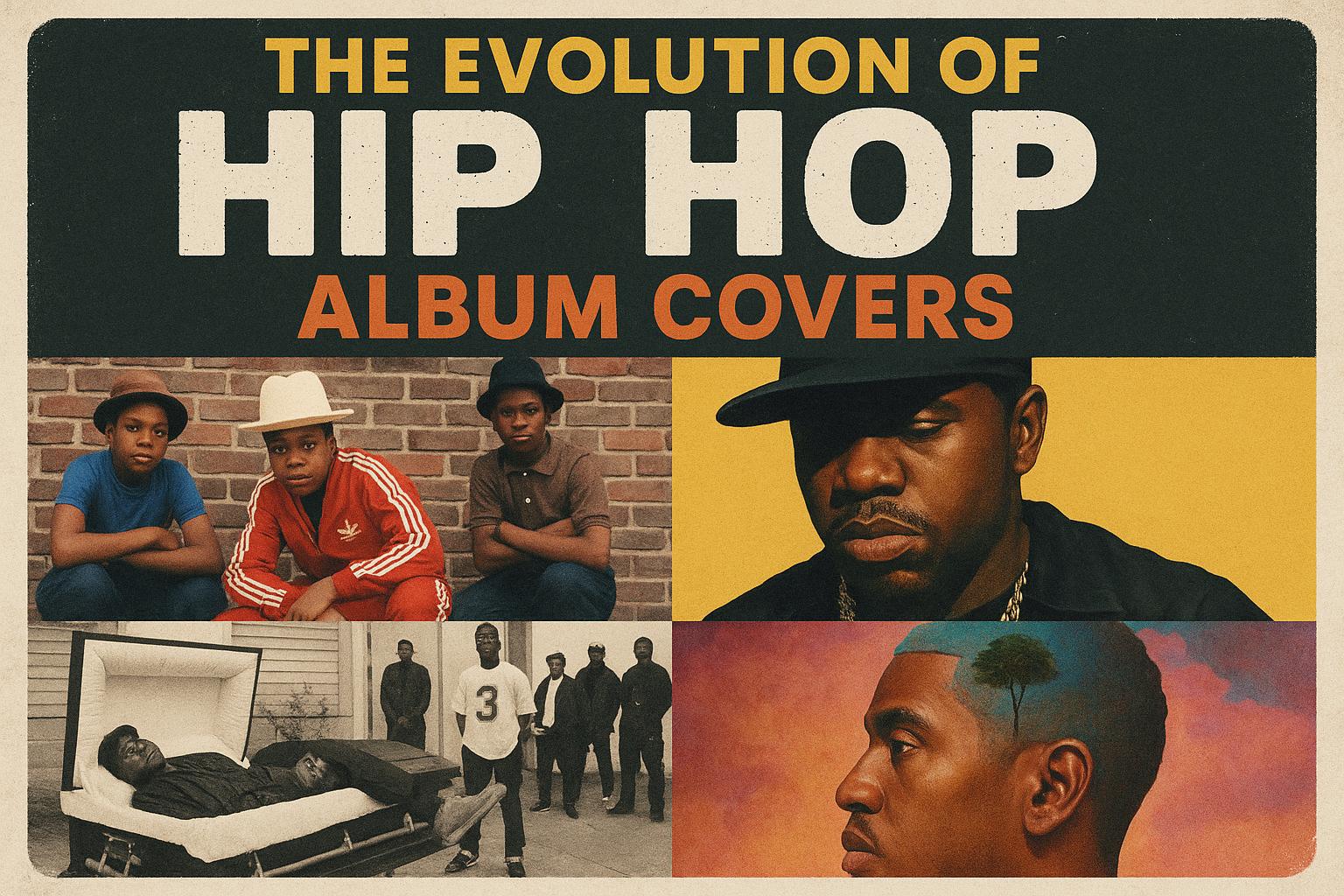
The visual presentation of hip hop albums has witnessed remarkable transformation since this dynamic genre’s inception in the late 1970s. Album covers are essential not just for aesthetic appeal, but for conveying the artist’s message, persona, and thematic elements. Initially, these covers mirrored the gritty urban environment from which hip hop emerged, often featuring photographs of the artists in authentic street settings. Over the decades, however, there has been a gradual shift towards more abstract, artistic, and digitally influenced designs, reflecting the changing landscape of both the music industry and the cultural themes it addresses.

Early Influences and Street Culture

In the nascent days of hip hop, album covers predominantly featured images with raw urban aesthetics. This visual approach aptly resonated with the music style and the societal backdrop of the times. The Sugarhill Gang’s debut album in 1980, for example, utilitized a straightforward street setting to encapsulate the essence of early hip hop culture. Similarly, albums by iconic groups like Grandmaster Flash and the Furious Five relied on real-life urban imagery, emphasizing a strong connection to authenticity and the socio-political climate. This method provided a visual narrative that complemented the lyrical content—often a reflection of the struggles and stories of urban life.

The Golden Age and Its Artistic Flourishes

As the 1980s gave way to the golden age of hip hop in the late 1980s and early 1990s, album cover art became a canvas for more sophisticated and deliberate design efforts. The visuals became tools for thought-provoking statements, sometimes sparking conversation or controversy. Notable examples include Public Enemy’s It Takes a Nation of Millions to Hold Us Back and N.W.A.’s Straight Outta Compton, both of which used bold imagery to match their powerful and often politically charged lyrics.

Rap album covers during this era also started to incorporate detailed and creative artwork that stood out. For instance, OutKast’s ATLiens employed a distinctive abstract art style, enabling the group to project their innovative sound visually. In the same vein, A Tribe Called Quest’s The Low End Theory used vivid artwork to underscore the creative fusion of jazz influences in their music, proving that cover art was becoming as indispensable as the music itself.

Modern Innovations and Digital Influence

With the digital age and the rise of social media, the approach to designing hip hop album covers has dramatically expanded. This era has seen artists push the boundaries further, using technology to craft visually stunning and conceptually intriguing album covers. Innovators like Kanye West have collaborated with contemporary artists to produce striking visuals, as seen in his minimalistic yet bold design for Yeezus. Travis Scott, with Astroworld, exemplifies the grandeur achievable with modern digital tools, where elaborate visuals play a significant role alongside his music.

In today’s streaming-focused landscape, album covers have also become critical marketing tools. They need to grab attention among potentially thousands of competing visuals on platforms like Spotify and Apple Music. Consequently, the designs have evolved into bolder, more dynamic renditions, combining traditional artistry with cutting-edge technology to stand out in the digital marketplace.

The Influence of Cultural and Social Themes

Modern hip hop album covers frequently serve as platforms for broader cultural expressions and social commentary. Kendrick Lamar’s To Pimp a Butterfly is an exemplar of this trend, with its cover providing profound visual commentary that complements the album’s socially conscious themes. The cover’s striking imagery aligns with the critical dialogue presented within his music, emphasizing the artist’s commentary on racial identity and systemic issues.

Likewise, Beyoncé‘s Lemonade uses potent images to explore themes of empowerment and identity. This album, although not traditionally categorized solely as hip hop, reflects the overlaps in genre boundaries and the influential power of visual storytelling in contemporary music. Such covers not only define the era’s aesthetic but also contribute to ongoing dialogues about culture, identity, and empowerment.

Conclusion

The evolution of hip hop album covers is a fascinating story of how artistic expression in the music industry reflects wider cultural shifts. From street-level photography depicting the origins of hip hop to digitally enhanced artwork showcasing futuristic visions, the journey of album cover art mirrors the genre’s progression from localized street expression to a global cultural powerhouse. Styles and techniques have diversified over the years, with each era imprinting its identity onto the visual domain of hip hop.

Artists today continue to explore new visual territories, integrating modern digital technologies and revisiting classical art forms to create unique and compelling album covers. As the industry progresses, it’s clear that the role of album covers will remain integral, serving as a bridge between visual art and music, ultimately enriching the experience of listeners around the world. Looking to the future, the synergy between music, technology, and visual arts promises to push creative boundaries and redefine how audiences engage with hip hop culture.