The Importance of Record Labels in Early Hip Hop
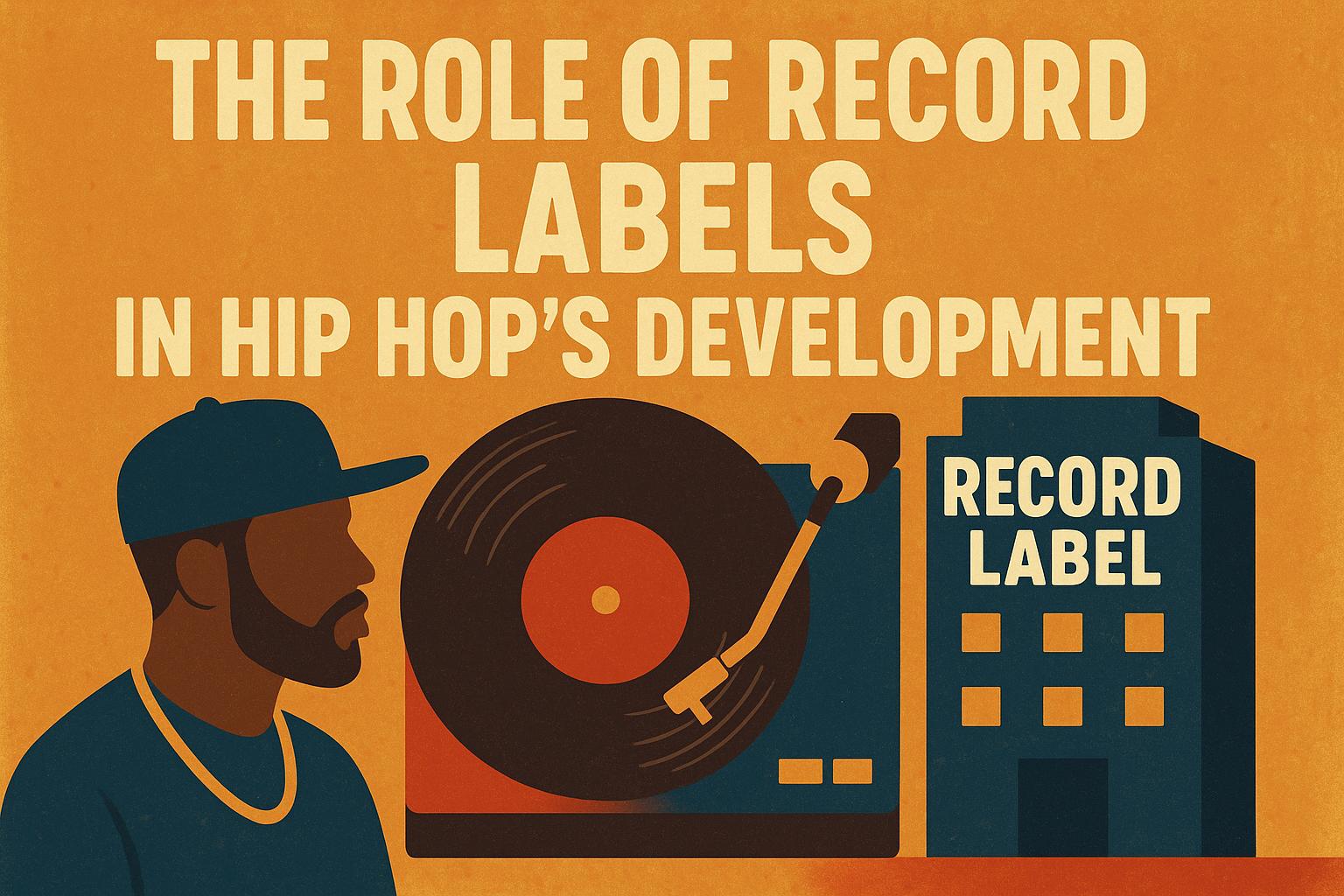
In the late 1970s and early 1980s, hip hop emerged as a cultural force on the streets of New York City. During this time, record labels played an essential role in bringing this nascent genre to a broader audience. Labels such as Sugar Hill Records and Def Jam Recordings were instrumental in early hip hop’s commercial popularity. **Sugar Hill Records**, for example, released *”Rapper’s Delight”* by The Sugarhill Gang, the first rap single to achieve national success. Without these pioneering labels, the sound of hip hop might have remained confined to street corners and underground parties.
Record Labels and Artist Development
Record labels were not just vehicles for distributing music; they were also involved in artist development. They provided resources for artists to refine their skills and create high-quality recordings. From nurturing talents like Run-DMC and LL Cool J, major labels helped ensure the growth and sophistication of hip hop music. Investment in technology and production gave artists the tools they needed to experiment and innovate within the genre.
Over time, these labels became instrumental in honing the talents of upcoming artists. Death Row Records and Def Jam Recordings, for instance, provided an environment where artists could have access to high-quality studios, seasoned producers, and professional marketing teams. This involvement was central to the creation of polished pieces that could appeal to national and international audiences.
Expansion into Mainstream Markets
In the late 1980s and early 1990s, record labels began to understand the commercial potential of hip hop. Labels like Def Jam Recordings, founded by Russell Simmons and Rick Rubin, were critical in paving the way for hip hop’s expansion into mainstream markets. Def Jam’s success with artists such as Public Enemy and the Beastie Boys demonstrated that hip hop could be both a profitable and widely appreciated genre.
Other labels, including Jive Records and Bad Boy Records, also contributed significantly to hip hop’s mainstream integration. They supported artists like A Tribe Called Quest, and later, artists like The Notorious B.I.G., showcasing the diversity and breadth of the genre. By strategically marketing their artists and organizing cross-promotional tours, these labels helped hip hop gain further recognition and consumer acceptance.
The alignment with mainstream industries often meant that hip hop artists could receive substantial radio play, be featured in television shows, and obtain performance slots at large festivals and award shows. Through these varied platforms, hip hop infiltrated popular culture—and record labels were critical in stringing together these opportunities and ensuring consistent exposure for their artists.
The Evolution into a Diverse Sector
As hip hop continued to evolve, record labels began to diversify their investments, signing artists from different geographical locations and different sub-genres. Labels like Death Row Records, based on the West Coast, and No Limit Records in the South, expanded hip hop’s geographical and stylistic diversity. They helped establish regional sounds and narratives that contributed to the rich, multifaceted nature of hip hop today.
By embracing this diversity, record labels fostered a broader appreciation for hip hop music, allowing it to resonate with a wide array of audiences and cultural backgrounds. This approach also led to the development of sub-genres—such as gangsta rap and Southern hip hop—that expanded the genre’s narrative and musical complexity.
The integration and appreciation of these regional styles signified another evolution for hip hop, allowing it to be more reflective of distinct cultural experiences. **Artists such as Dr. Dre and Master P** became ambassadors of their respective local cultures, and record labels amplified their authentic voices, bridging different communities under the wide umbrella of hip hop.
The Digital Shift and its Impact
The advent of digital music distribution posed challenges to traditional record label structures, forcing them to adapt. Labels had to rethink their strategies to thrive in an industry where artists could reach audiences directly through digital platforms. Despite this, major record companies like Universal Music Group and Sony Music Entertainment continue to play a vital role in hip hop’s development. They provide essential marketing and distribution support, ensuring that artists can achieve a level of visibility that might be difficult independently.
As streaming services and social media grew in significance, record labels began to focus on innovative ways to remain relevant. They prioritized digital marketing and worked on creating engaging online presences for their artists. Moreover, labels have started forming partnerships with technology companies to better track music consumption trends and directly engage with listeners.
Ongoing Influence and Future Directions
While the music industry’s landscape has shifted dramatically, the role of record labels continues to be crucial. Labels have adapted by becoming more flexible, signing short-term contracts and embracing diverse revenue streams such as merchandise and live performances. The symbiotic relationship between artists and record labels thrives as both parties work to push creative boundaries while exploring innovative business models.
Understanding and leveraging data analytics has become a key competency for record labels, offering insights into listener behavior and preferences. This enables more personalized marketing strategies that align with audience demands, ensuring artists reach their intended fan bases effectively.
In summary, the record labels’ journey with hip hop has been one of adaptation and resilience. From their foundational role in the genre’s inception to navigating the complexities of the digital age, labels have consistently worked to elevate hip hop to its current global stature. Their lasting impact underscores their importance in the continuing evolution of hip hop as a dynamic and influential genre.