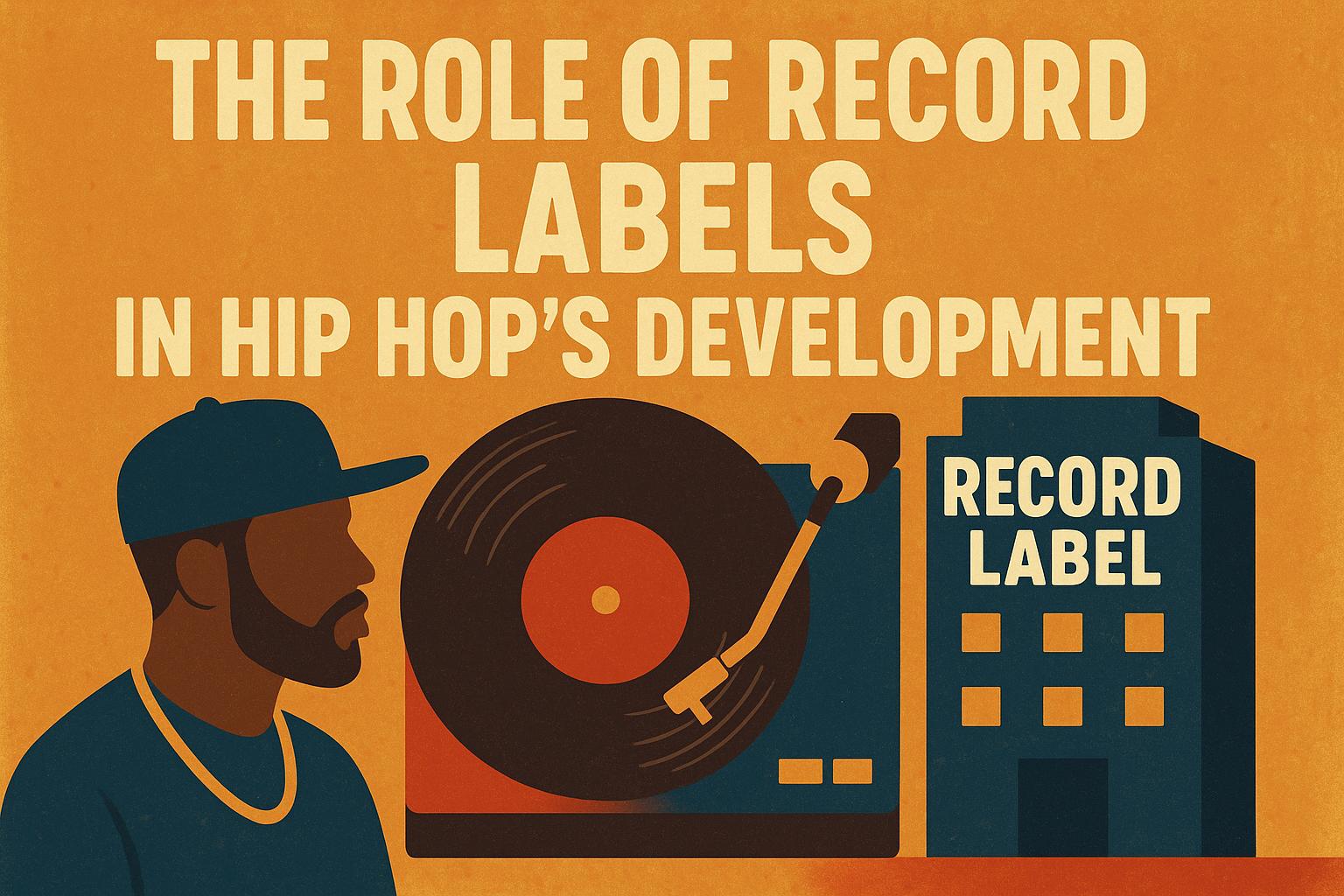
The Role of Record Labels in Hip Hop’s Development

The Role of Record Labels in Hip Hop’s Development

The Importance of Record Labels in Early Hip Hop

In the late 1970s and early 1980s, hip hop emerged as a cultural force on the streets of New York City. During this time, record labels played an essential role in bringing this nascent genre to a broader audience. Labels such as Sugar Hill Records and Def Jam Recordings were instrumental in early hip hop’s commercial popularity. **Sugar Hill Records**, for example, released *”Rapper’s Delight”* by The Sugarhill Gang, the first rap single to achieve national success. Without these pioneering labels, the sound of hip hop might have remained confined to street corners and underground parties.

Record Labels and Artist Development

Record labels were not just vehicles for distributing music; they were also involved in artist development. They provided resources for artists to refine their skills and create high-quality recordings. From nurturing talents like Run-DMC and LL Cool J, major labels helped ensure the growth and sophistication of hip hop music. Investment in technology and production gave artists the tools they needed to experiment and innovate within the genre.

Over time, these labels became instrumental in honing the talents of upcoming artists. Death Row Records and Def Jam Recordings, for instance, provided an environment where artists could have access to high-quality studios, seasoned producers, and professional marketing teams. This involvement was central to the creation of polished pieces that could appeal to national and international audiences.

Expansion into Mainstream Markets

In the late 1980s and early 1990s, record labels began to understand the commercial potential of hip hop. Labels like Def Jam Recordings, founded by Russell Simmons and Rick Rubin, were critical in paving the way for hip hop’s expansion into mainstream markets. Def Jam’s success with artists such as Public Enemy and the Beastie Boys demonstrated that hip hop could be both a profitable and widely appreciated genre.

Other labels, including Jive Records and Bad Boy Records, also contributed significantly to hip hop’s mainstream integration. They supported artists like A Tribe Called Quest, and later, artists like The Notorious B.I.G., showcasing the diversity and breadth of the genre. By strategically marketing their artists and organizing cross-promotional tours, these labels helped hip hop gain further recognition and consumer acceptance.

The alignment with mainstream industries often meant that hip hop artists could receive substantial radio play, be featured in television shows, and obtain performance slots at large festivals and award shows. Through these varied platforms, hip hop infiltrated popular culture—and record labels were critical in stringing together these opportunities and ensuring consistent exposure for their artists.

The Evolution into a Diverse Sector

As hip hop continued to evolve, record labels began to diversify their investments, signing artists from different geographical locations and different sub-genres. Labels like Death Row Records, based on the West Coast, and No Limit Records in the South, expanded hip hop’s geographical and stylistic diversity. They helped establish regional sounds and narratives that contributed to the rich, multifaceted nature of hip hop today.

By embracing this diversity, record labels fostered a broader appreciation for hip hop music, allowing it to resonate with a wide array of audiences and cultural backgrounds. This approach also led to the development of sub-genres—such as gangsta rap and Southern hip hop—that expanded the genre’s narrative and musical complexity.

The integration and appreciation of these regional styles signified another evolution for hip hop, allowing it to be more reflective of distinct cultural experiences. **Artists such as Dr. Dre and Master P** became ambassadors of their respective local cultures, and record labels amplified their authentic voices, bridging different communities under the wide umbrella of hip hop.

The Digital Shift and its Impact

The advent of digital music distribution posed challenges to traditional record label structures, forcing them to adapt. Labels had to rethink their strategies to thrive in an industry where artists could reach audiences directly through digital platforms. Despite this, major record companies like Universal Music Group and Sony Music Entertainment continue to play a vital role in hip hop’s development. They provide essential marketing and distribution support, ensuring that artists can achieve a level of visibility that might be difficult independently.

As streaming services and social media grew in significance, record labels began to focus on innovative ways to remain relevant. They prioritized digital marketing and worked on creating engaging online presences for their artists. Moreover, labels have started forming partnerships with technology companies to better track music consumption trends and directly engage with listeners.

Ongoing Influence and Future Directions

While the music industry’s landscape has shifted dramatically, the role of record labels continues to be crucial. Labels have adapted by becoming more flexible, signing short-term contracts and embracing diverse revenue streams such as merchandise and live performances. The symbiotic relationship between artists and record labels thrives as both parties work to push creative boundaries while exploring innovative business models.

Understanding and leveraging data analytics has become a key competency for record labels, offering insights into listener behavior and preferences. This enables more personalized marketing strategies that align with audience demands, ensuring artists reach their intended fan bases effectively.

In summary, the record labels’ journey with hip hop has been one of adaptation and resilience. From their foundational role in the genre’s inception to navigating the complexities of the digital age, labels have consistently worked to elevate hip hop to its current global stature. Their lasting impact underscores their importance in the continuing evolution of hip hop as a dynamic and influential genre.
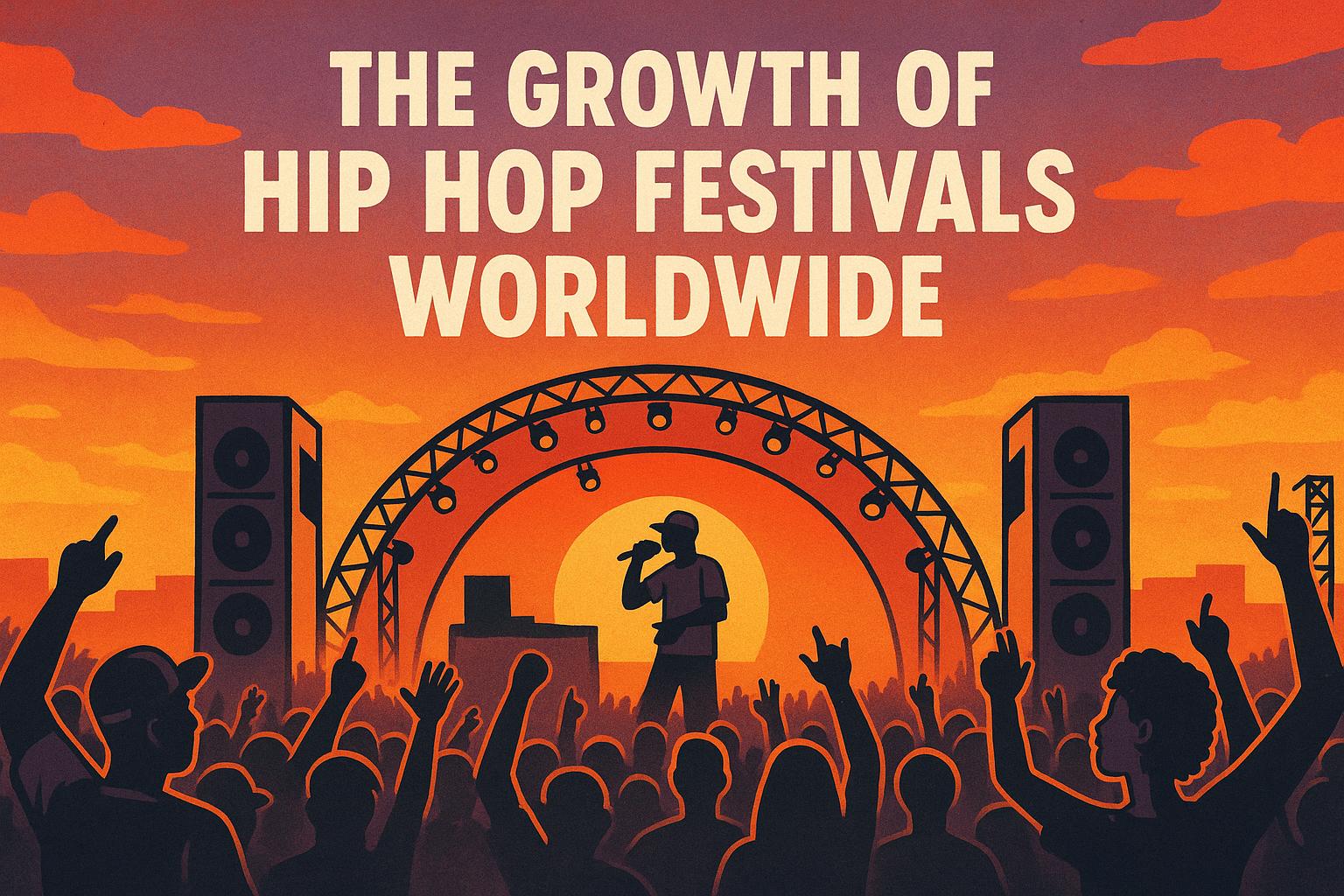
The Growth of Hip Hop Festivals Worldwide

The Growth of Hip Hop Festivals Worldwide

The Expansion of Hip Hop Festivals Globally

The past two decades have witnessed the remarkable growth of hip hop festivals around the world. Originating in the Bronx, New York, during the 1970s, hip hop quickly evolved from a local subculture to a global phenomenon. Today, festivals dedicated to this musical genre continue to flourish, attracting massive audiences and showcasing diverse artists. This expansion is driven by various factors that highlight both cultural and economic aspects.

Historical Context and Evolution

Hip hop music and culture have undergone significant transformations since their inception. Initially embraced by marginalized communities in the United States, hip hop provided not just music, but a voice for social issues and concerns, rapidly spreading beyond American borders. It has been evolving, absorbing influences from other music styles, and adapting to various cultural contexts globally. The growth of hip hop festivals is a testament to this evolution, as they provide a platform for local and international artists to showcase their talents.

The story of hip hop’s transformation from a Bronx-based movement to a global powerhouse is as intricate as the beats and rhymes that define the genre. Hip hop originated with DJs and MCs entertaining crowds at local block parties, but soon it began addressing social issues, thereby gaining traction as a form of protest art. Its raw energy and directness appealed to a multitude of audiences, helping it break geographical and cultural barriers. As hip hop’s message resonated worldwide, it began influencing styles and sounds in many regions, inspiring the birth of localized versions of the genre. In each location, hip hop adapted to reflect local issues and aspirations while maintaining its core identity of self-expression and resistance.

Diversity of Festivals

The diversity of hip hop festivals mirrors the genre’s adaptability and appeal across different regions. In North America, events such as Rolling Loud and Made in America draw huge crowds. In Europe, festivals like Wireless in the UK and Openair Frauenfeld in Switzerland illustrate the genre’s widespread appeal. Additionally, events in Africa, Asia, and Latin America highlight the inclusive nature of hip hop and its ability to resonate with various audiences.

The kaleidoscope of festivals varies not just in size but also in their ability to integrate into and reflect the cultural milieu of their host cities. In North America, festivals often feature a blend of mainstream giants and underground talent, creating a melting pot of sounds and styles. European festivals frequently showcase an eclectic line-up, allowing for a celebration that is both regional and universal in nature.

In Africa, hip hop festivals focus on themes of empowerment and cultural heritage, incorporating elements from traditional music. Meanwhile, in Asia, these festivals introduce a synthesis of Western influences and local styles, showcasing artists who blend hip hop with indigenous sounds. Latin American hip hop festivals often emphasize community and political activism, with events highlighting local artists who address social issues through their music.

Economic Impact and Significance

Hip hop festivals contribute significantly to the economies of their host cities. These events generate revenue through ticket sales, merchandise, and tourism. Local businesses, including hotels, restaurants, and transportation services, also benefit from the influx of visitors. Moreover, the festivals create job opportunities in the entertainment and service industries, further emphasizing their economic significance.

The financial ripple effect of hip hop festivals extends beyond direct revenues. Cities hosting these events often experience increased international visibility, enhancing their profile as cultural and tourist destinations. This can lead to further investments in infrastructure and development, with festivals acting as catalysts for broader economic growth.

Cultural Exchange and Interaction

Hip hop festivals serve as platforms for cultural exchange and interaction. Attendees experience performances from international artists, fostering cross-cultural appreciation and understanding. These events offer opportunities for local talent to gain exposure on a global stage, promoting cultural diversity within the music industry.

Workshops and panel discussions are integral components of many festivals, encouraging dialogue among artists, industry professionals, and fans. These sessions facilitate knowledge sharing and networking, leading to collaborations that further the evolution of the genre. The exchange of ideas and experiences enriches not only the participants but also the global hip hop community.

The Role of Technology

Advancements in technology have played a crucial role in the growth of hip hop festivals worldwide. Social media and streaming platforms offer artists increased visibility and allow fans to access music effortlessly. This digital era has enabled festivals to reach broader audiences and enhance global connectivity, thus fueling the popularity and expansion of hip hop music.

The integrated use of live streaming enables fans worldwide to partake in festival experiences remotely, bridging geographical divides. Furthermore, digital marketing and social media campaigns are essential tools for promoting festivals, engaging audiences, and building a community around these events. Artists utilize these platforms to release music, interact with followers, and generate excitement about upcoming performances.

Future Prospects

As hip hop continues to evolve and gain more traction, the future of hip hop festivals appears promising. The blend of cultural diversity, economic benefits, and technological integration will likely contribute to the continued expansion of these events. Organizers increasingly focus on sustainability and inclusivity, ensuring that festivals remain relevant and attractive to diverse audiences.

In the coming years, the emphasis on eco-friendly practices and social responsibility will likely become increasingly important within festival organization. This might involve reducing carbon footprints, supporting fair trade, and giving back to local communities. Inclusivity efforts are also set to expand, reflecting a commitment to amplifying underrepresented voices within the hip hop scene, both on stage and behind the scenes.

For more information on specific hip hop festivals or upcoming events, please visit dedicated music festival websites or reliable entertainment news outlets.

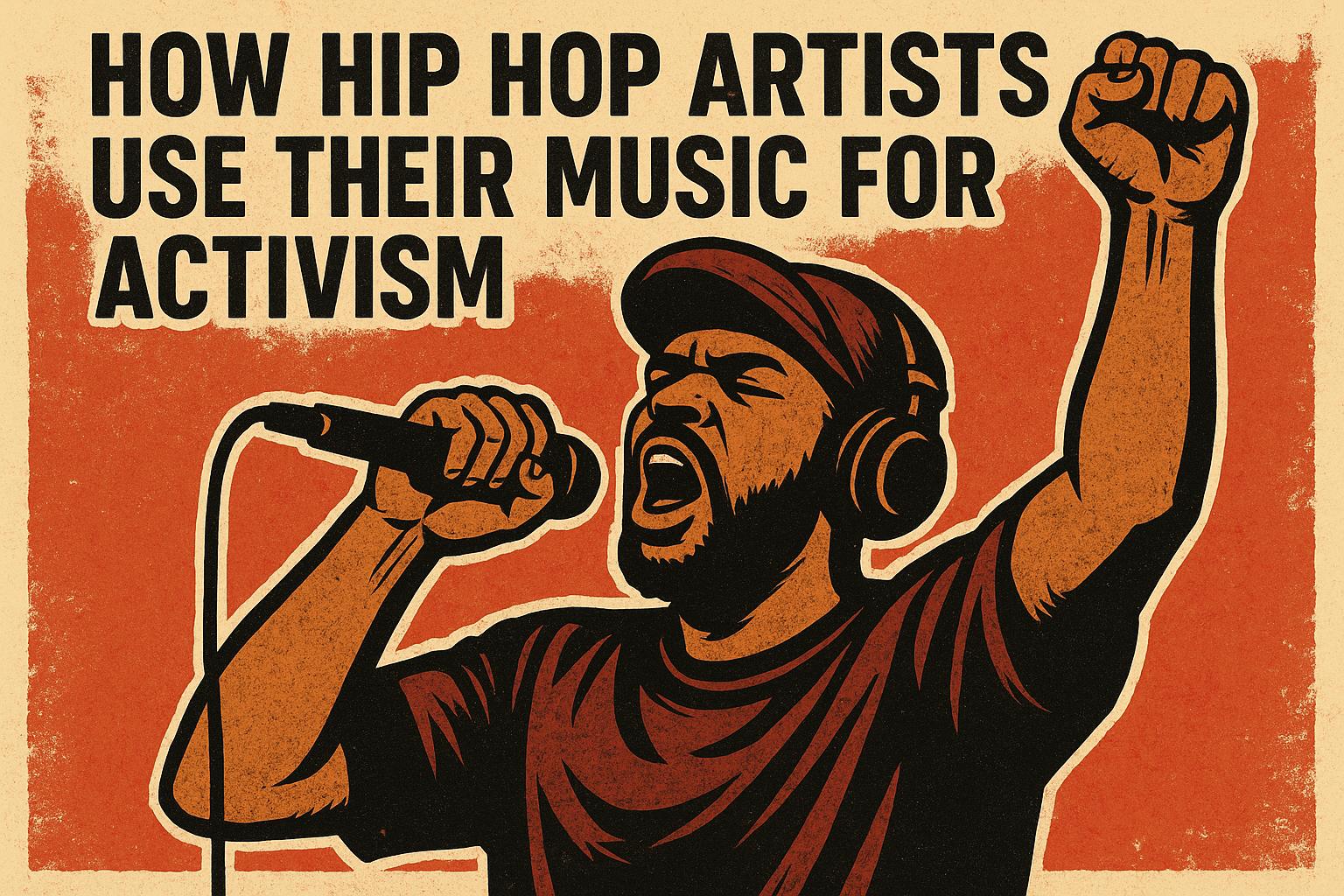
How Hip Hop Artists Use Their Music for Activism

How Hip Hop Artists Use Their Music for Activism

The Role of Hip Hop in Social Activism

Hip hop, ever since its inception in the 1970s in the Bronx, New York, has emerged as a potent vehicle for social change. Through its expressive beats and poignant lyrics, hip hop artists have continually spotlighted political, economic, and social challenges that affect marginalized communities. This genre serves not merely as a form of entertainment but also as a significant platform for activism, motivating listeners to engage in societal progress.

Addressing Political Issues

Artists within the hip hop community recurrently use their music to confront political injustices. These songs often shine a light on systemic racism, police brutality, and failures in governance. A quintessential example of this is the group Public Enemy, which is renowned for its political edge and uses its tracks to challenge the existing power structures and encourage listeners to demand reform. The pulsating rhythms and incisive lyrics of their songs serve not only to entertain but to educate and prompt action among their audience.

Similarly, contemporary artists such as Kanye West and Jay-Z have utilized their expansive platforms to thrust political issues into the public consciousness. Both artists have employed their music and broader influence to articulate perspectives on political processes, systemic disenfranchisement, and the necessity for civic engagement. Their works often serve as rallying cries for change, encouraging fans to become more politically active and informed.

Economic Inequality and Poverty

The theme of economic disparity represents another considerable focus in hip hop activism. Artists like Kendrick Lamar have adroitly highlighted the tribulations associated with poverty, thus drawing critical attention to the economic challenges faced by underprivileged communities. Through narrating personal experiences along with broader societal observations, these artists foster dialogue and spur action towards attaining economic parity.

Kendrick Lamar, in particular, often infuses his music with vivid portrayals of inner-city life, reflecting on the systemic barriers that contribute to economic disparity. His approach not only raises awareness but also underscores the resilience and determination needed to overcome such obstacles. This dialogue becomes a pathway for listeners to explore solutions and become agents of change within their communities.

Social Justice and Awareness

Social justice remains a steadfast focus within hip hop, with artists persistently addressing issues like gender inequality and rights for LGBTQ+ individuals. Through collaborations and evocative lyrical content, hip hop artists bring these social injustices to light and advocate for inclusivity and acceptance. Initiatives from artists like Macklemore have significantly contributed to dialogues around marriage equality and other critical social causes, epitomizing how hip hop can indeed be a force for social awareness and transformation.

Macklemore’s work, particularly his tracks addressing marriage equality, exemplify how hip hop can transcend its entertainment roots to engage with pressing social issues. His collaborations with other artists often seek to challenge prejudices and advocate for a more inclusive society. This form of activism extends beyond music; it is about fostering empathy, understanding, and ultimately action toward achieving social justice.

Community Empowerment and Charitable Efforts

In addition to their musical endeavors, numerous hip hop artists actively participate in philanthropy and community building. Establishing charities and supporting educational initiatives represent common approaches, as exemplified by Chance the Rapper, whose contributions to public schools in Chicago underscore his commitment to using success to facilitate community empowerment and foster positive societal change.

The charitable efforts of hip hop artists often extend beyond financial contributions. Many such as Chance the Rapper also provide platforms for youth education, empowerment, and personal growth. These initiatives aim to bridge gaps in educational resources and offer opportunities for young people to thrive despite systemic challenges. By investing in future generations, these efforts hope to foster a legacy of empowerment and progress.

Critical to understanding hip hop’s role in social activism is recognizing its enduring influence, which extends far beyond melodies and rhythms. By addressing a wide array of issues—from political oppression to social inequalities—hip hop artists play an indispensable role in inspiring change and advocating for a more equitable world. The legacy of hip hop as a tool for activism is a testament to the power of art in facilitating critical discussions and driving societal progress.

As the genre evolves, its capacity to impact various facets of society remains significant. Contemporary hip hop not only serves as a historical record of struggles and triumphs but also as a harbinger of possible futures shaped by equity and justice. Whether through impassioned lyrics, strategic alliances, or community-based initiatives, hip hop continues to champion the cause of social change, contributing to a dynamic discourse on equality and justice in the modern era.

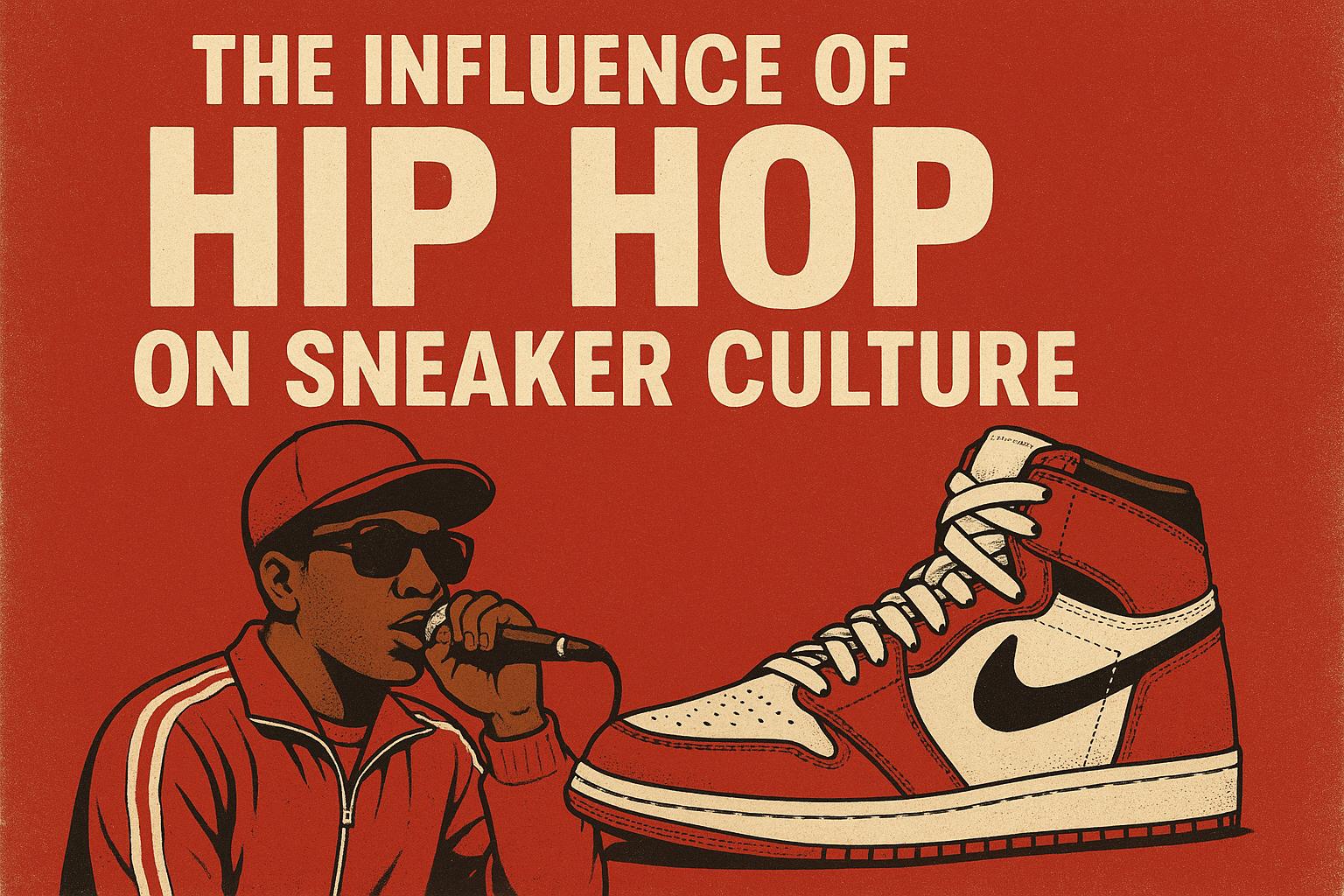
The Influence of Hip Hop on Sneaker Culture

The Influence of Hip Hop on Sneaker Culture

The Relationship Between Hip Hop and Sneaker Culture

Hip hop has long been more than just a music genre; it is a cultural phenomenon that has deeply influenced various aspects of fashion and lifestyle. One of the most significant areas of this influence is sneaker culture. Since the late 1970s, when hip hop emerged on the streets of New York City, it has consistently impacted the design, popularity, and commercial success of sneakers.

The Early Days of Hip Hop and Sneakers

During the formative years of hip hop, artists and enthusiasts alike began to wear sneakers as part of their everyday attire. Sneakers like the Adidas Superstar became iconic through their association with hip hop groups such as Run-D.M.C. The group’s 1986 track “My Adidas” exemplified this symbiotic relationship and resulted in one of the first major endorsements between a musical group and a sneaker company.

Run-D.M.C. and Adidas

Run-D.M.C.’s partnership with Adidas signaled a paradigm shift. For the first time, a music group influenced the marketing strategy of a global footwear brand. This collaboration not only increased Adidas’ sales but also cemented the group’s cultural influence. This partnership was a precursor to many future collaborations between hip hop artists and sneaker brands, highlighting the commercial potential of such alliances.

Hip Hop’s Role in Mainstream Sneaker Culture

As hip hop grew in popularity throughout the 1990s and 2000s, so did its impact on sneaker culture. Artists like Jay-Z, 50 Cent, and Kanye West have been pivotal in solidifying the connection between sneaker culture and hip hop. Their collaborations with brands like Reebok and Nike have resulted in exclusive designs and have heightened consumer interest.

Kanye West and the Yeezy Line

Perhaps one of the most significant collaborations in recent times has been between Kanye West and Adidas. The Yeezy line, launched in 2015, has become emblematic of how hip hop stars can influence sneaker trends. The limited release strategy and unique designs of Yeezy sneakers, coupled with Kanye’s personal brand, have made them highly coveted items among sneaker enthusiasts.

Impact on Design and Aesthetics

The influence of hip hop on sneaker design extends beyond celebrity endorsements. The aesthetics of sneakers, from colorways to materials, often reflect elements of hip hop culture. Bold designs and collaborations often pay homage to the roots of hip hop, merging cultural history with modern style.

The Expansion of Sneaker Culture

As sneaker culture has evolved, its reach has extended beyond music and fashion, influencing various areas like sports and art. Sneaker exhibitions have become popular in galleries, where they are viewed not only as footwear but also as works of art that reflect cultural narratives. Hip hop and sneaker culture have both found representation in high art, with sneaker designs featured in museums alongside music history displays dedicated to the evolution of hip hop.

The Role of Media and Technology

In the age of social media and digital platforms, the relationship between hip hop and sneaker culture has been expedited. Social media platforms serve as avenues for both artists and brands to reach wider audiences. Sneaker drops are announced on these platforms, where anticipation and excitement are built through strategic marketing. Influencers and celebrities create partnerships to promote new releases, further solidifying the intertwining of music, fashion, and technology.

Social Implications and Identity

Sneakers have also become a medium for expressing personal and cultural identity. For many young audiences, particularly in urban environments, sneakers go beyond practical use. They serve as a symbol of status, individuality, and connection to the broader hip hop culture. This association often starts at a young age and continues through adulthood, marking sneakers as a lifelong fashion staple that signifies belonging to a cultural movement.

Economic Impact

The economic implications of the relationship between hip hop and sneaker culture are substantial. The collaborations between artists and sneaker brands often result in increased revenue for both parties, reflecting the enormous commercial potential of these alliances. Limited edition releases and exclusive designs command higher market prices, turning sneakers into a lucrative business. This economic relationship is pivotal in understanding how cultural movements translate into financial success.

The Future of Hip Hop and Sneaker Culture

Looking ahead, the future of hip hop and sneaker culture is poised to evolve further. As new artists emerge and established ones continue to shape trends, the partnership between these two cultural forces will likely expand into new territories. The increasing focus on sustainability in fashion and footwear may also influence future collaborations, with an emphasis on eco-friendly materials and ethical production methods. Furthermore, as technology continues to advance, virtual collaborations and digital sneakers in the metaverse could become new frontiers for creativity and expression.

Conclusion

The interplay between hip hop and sneaker culture continues to evolve. As hip hop artists gain more influence, their impact on sneaker trends will likely persist. This relationship has transformed sneakers from mere athletic wear into cultural icons. The future of sneaker culture will undoubtedly be shaped by ongoing collaborations and the innovative spirit of hip hop. Continuing this legacy, the synergy between these cultural phenomena will inspire countless fashion and artistic expressions for generations to come. By understanding this dynamic relationship, we appreciate not only the evolution of a fashion staple but also the broader impact of cultural developments driven by music and personal expression.