

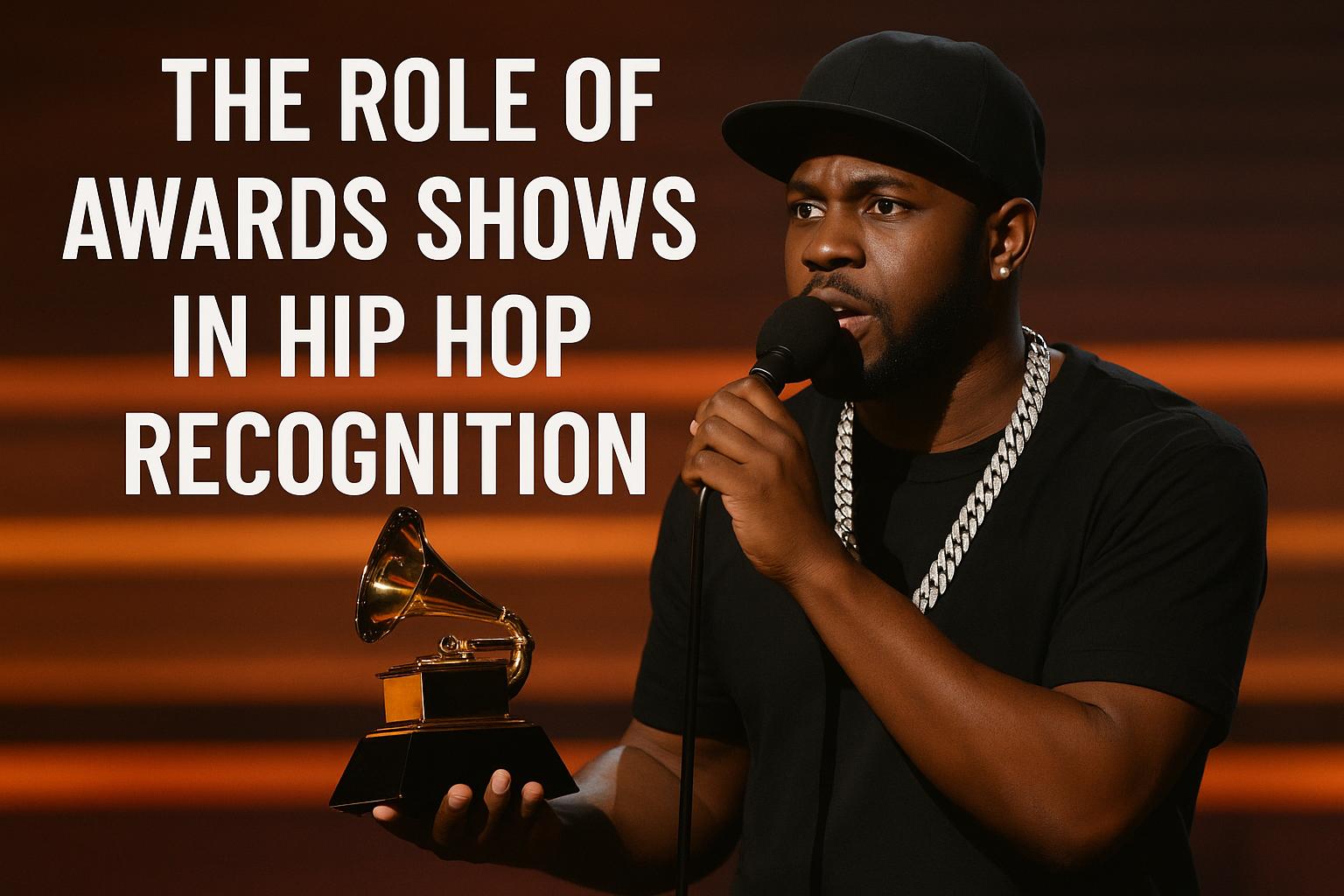
The Role of Awards Shows in Hip Hop Recognition
Hip hop, since its inception in the 1970s, has undergone a significant transformation and has become a dominant genre in the global music industry. A crucial aspect of this transformation has been the recognition that artists receive through awards shows. This article explores the impact of awards shows on the recognition of hip hop artists.
Historical Context
In the nascent stages of hip hop during the 1970s and into the early 1980s, the genre was largely an underground movement focused on expressing urban life through rhythm and poetry. The mainstream music industry, dominated by other genres like rock, pop, and disco, often marginalized hip hop, not only overlooking the potential of its unique sound but also underestimating its cultural impact. During this period, hip hop was often not acknowledged by prominent music industry awards which catered to more established genres. This lack of recognition was indicative of the broader cultural dismissals faced by hip hop artists, who were pushing the boundaries of traditional music structures and storytelling.
By the late 1980s and early 1990s, a marked change occurred as hip hop’s popularity grew exponentially, fueled by its fresh sound and compelling narratives that resonated with a broader audience. The introduction of specific hip hop categories in awards shows was a turning point, signaling a shift in industry perceptions and acknowledging the genre’s significant cultural influence. This period was characterized by the emergence of iconic figures and groups, such as Run-D.M.C., Public Enemy, and N.W.A., whose groundbreaking work helped cement the genre’s legitimacy and demand broader recognition within the industry.
Major Awards Shows
The significance of awards in the recognition of hip hop can be better understood by examining the roles of various major awards shows:
The Grammy Awards: As one of the most prestigious music awards globally, the Grammy Awards were notably slow in recognizing hip hop. The inception of the “Best Rap Performance” category in 1989 was a watershed moment for the genre, marking a tentative step towards inclusion. Over the years, the Grammys have not only expanded the number of hip hop categories but have also seen an increasing number of hip hop artists achieve recognition in mainstream categories, such as “Album of the Year” and “Song of the Year.” This progression mirrors the genre’s evolving status from fringe to mainstream powerhouse and reflects a broader acceptance of hip hop’s artistic merit within the industry.
The BET Awards: Launched in 2001, the BET Awards, created by Black Entertainment Television, were designed to celebrate African-American achievements in music, acting, sports, and other fields. The awards have consistently championed hip hop, providing a dedicated platform that celebrates the contributions of Black artists. The BET Awards have become a significant venue not only for honoring current stars like Drake and Cardi B, but also for reminiscing and celebrating the contributions of hip hop legends.
MTV Video Music Awards: Since the 1980s, MTV has played a crucial role in providing exposure to hip hop artists, with the MTV Video Music Awards (VMAs) being one of the key platforms. MTV’s early and sustained support helped bring hip hop to a global audience, spotlighting both emerging talents and established acts through its award shows. The VMAs have often been at the forefront of recognizing the visual and artistic innovations pioneered by hip hop, from groundbreaking music videos to iconic performances.
Influence on Artists’ Careers
Recognition from awards shows can substantially alter the trajectory of an artist’s career within the music industry. Being nominated, and especially winning, awards can elevate an artist’s profile significantly. For many hip hop artists, such accolades translate to increased album sales, higher streaming figures, and wider media coverage. Artists like Kendrick Lamar and Cardi B have experienced firsthand how awards can act as catalysts for mainstream success.
Kendrick Lamar, for example, has utilized his Grammy wins to solidify his status not only as a leading voice in hip hop but also as an innovative artist with cross-genre appeal. His 2018 Grammy win for the album “DAMN.” not only affirmed his artistic credentials but also amplified his reach, attracting more collaborations and bolstering his influence across the music industry. Similarly, Cardi B’s rise was accelerated by her award wins, underscoring how such recognition can affirm an artist’s appeal and place within the broader music landscape.
Moreover, awards often contribute to the longevity of an artist’s career by enhancing their reputation and providing validation within the highly competitive and dynamic music industry. Prestigious awards do not just celebrate an artist’s past work but also affirm their potential to remain relevant and influential in the future.
Criticism and Challenges
Despite their central role in hip hop recognition, awards shows are not without their criticisms and controversies, particularly concerning representation within hip hop. A recurring critique is the perception that mainstream awards often overlook certain artists or niche subgenres, which are integral to hip hop’s diverse landscape. This has led to ongoing debates about the inclusivity and fairness of these platforms, with accusations that some awards are more focused on commercial success than authentic artistic merit.
Further criticism stems from perceptions of a disconnect between the grassroots origins of hip hop and the commercial imperatives of major awards shows. Some argue that the focus on commercially successful, mainstream-friendly artists can marginalize innovative and experimental voices within the genre. This highlights a tension between the need for recognition and the desire to maintain hip hop’s authenticity and cultural roots.
The Future of Hip Hop Recognition
As hip hop continues to evolve and expand its global influence, awards shows must adapt to reflect the genre’s dynamic and inclusive nature. This transformation includes embracing new subgenres and styles, recognizing cultural shifts, and showcasing emerging talent from different backgrounds and regions. Additionally, the rise of digital and streaming platforms is reshaping the landscape, with online music awards and streaming service recognitions gaining influence.
These emerging platforms offer alternative, and potentially more inclusive, avenues for recognizing talent, challenging traditional awards shows to remain relevant and responsive to the evolving music industry. Furthermore, as hip hop continues to push creative boundaries and influence global culture, its recognition by awards shows will be crucial in affirming its enduring impact and artistic achievements.
In conclusion, while awards shows are not without their challenges, they play a vital role in recognizing and amplifying hip hop artists’ contributions to the music industry and popular culture. As the genre continues to flourish, these platforms will likely remain key in celebrating hip hop’s legacy and future innovations. For more insights into the evolving music industry, you can visit the Grammy Awards official site or the BET Awards page.