

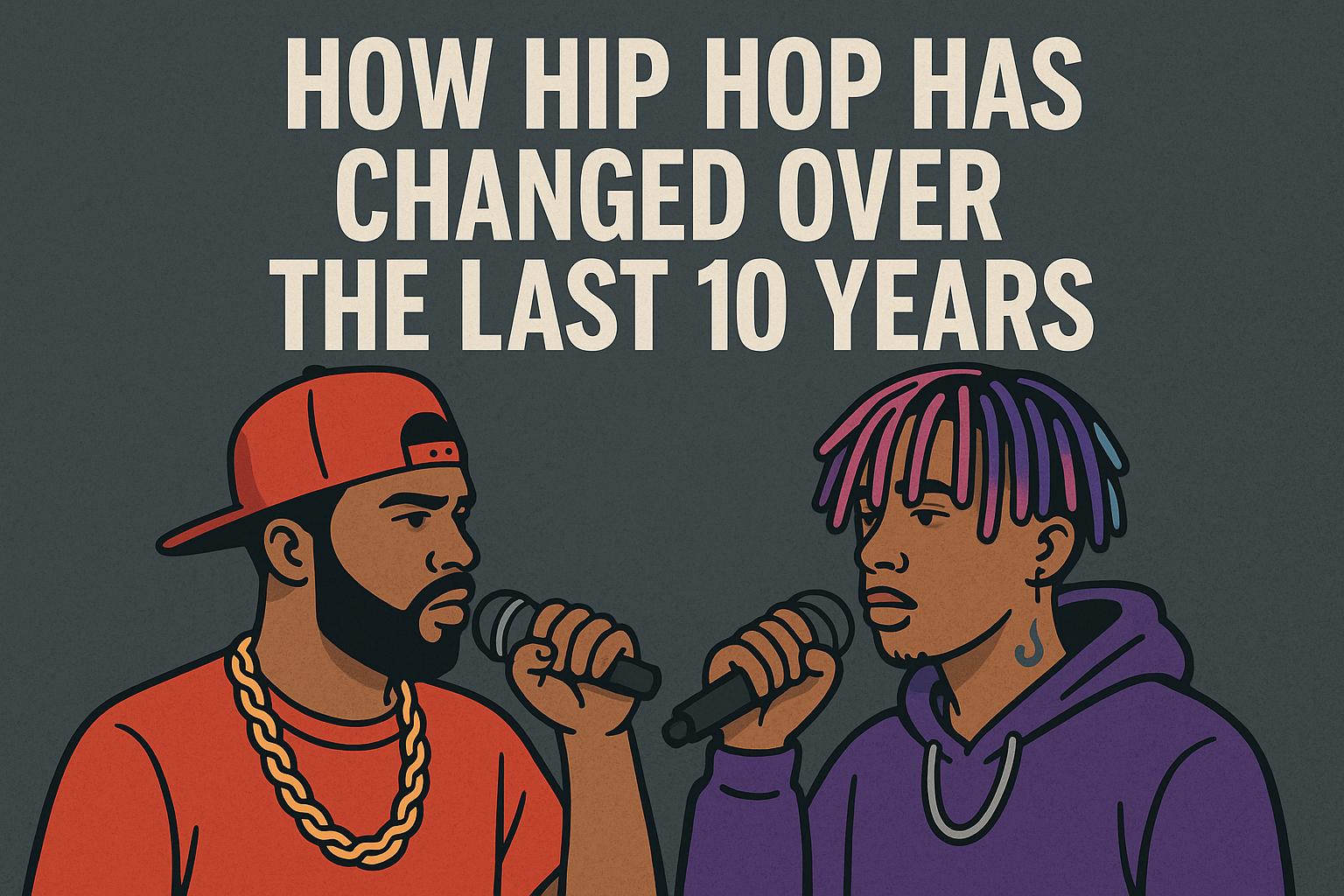
The Evolution of Hip Hop (2013-2023)
Over the last decade, hip hop has undergone significant transformations, reflecting broader cultural shifts and technological advancements. This dynamic genre has continuously adapted, influencing and being influenced by other music styles while expanding its global reach. The evolution of hip hop from 2013 to 2023 represents a fascinating journey marked by the rise of digital technology, shifts in lyrical themes, and cultural globalization.
The Rise of Streaming Platforms
One of the most prominent changes in hip hop during this period has been the rise of streaming platforms. Services such as Spotify and Apple Music have revolutionized how artists distribute their music and how fans access it. Before this era, radio play and CD sales dominated the music industry. Artists had to rely heavily on record labels to get their music heard by a wide audience. The introduction and massive adoption of streaming services provided new opportunities for hip hop artists.
With streaming, artists can now release music directly to a global audience, bypassing traditional channels and gaining immediate feedback from listeners. The accessibility of these platforms has also lowered the barrier for entry, encouraging a surge of new artists who can share their work without needing a record deal. These services not only allowed current listeners to discover new music easily but also helped old tracks gain renewed popularity, reaching generations that were not initially their target audience. This change has democratized the music industry, as data analytics offered by streaming platforms give artists insights into their listener demographics and geographical reach, enabling smarter strategic decisions.
The Influence of Social Media
Social media’s influence in hip hop over the past decade is undeniable. Platforms like Instagram and TikTok have transformed how musicians engage with their audiences. Artists can share snippets of their music, tease upcoming releases, and give fans a glimpse into their personal lives. This direct engagement helps build stronger connections and a more engaged fanbase. The shift towards digital interaction has democratized the marketing process, allowing independent artists to gain visibility and grow substantial followings without major label backing. Notably, TikTok has been particularly influential in the creation of viral trends, significantly impacting which tracks gain overnight success and dominate the charts.
Moreover, social media has provided a platform for artists to interact with their followers in real-time, further strengthening the artist-fan relationship. This heightened connectivity extends beyond promotion, as it allows fans to become part of the creative process. They can offer feedback, participate in challenges, and help shape an artist’s direction. The communal nature of social media interactions has resulted in music releases feeling like shared experiences and has played a crucial role in the emergence of indie artists who use these platforms as their primary means of gaining recognition.
Diversification of Lyrical Themes
Lyrical content in hip hop has diversified remarkably over the past decade. While traditional themes like wealth, street life, and personal struggles remain prevalent, there has been a noticeable shift towards more introspective and varied topics. More artists are using their platforms to address issues such as mental health, social justice, and personal empowerment. This broadening of themes allows hip hop to resonate with a larger audience, reflecting societal changes and the growing openness to discuss topics once considered taboo.
The focus on mental health has particularly grown, with artists openly discussing anxiety, depression, and the pressures of fame. This authenticity in lyrics has struck a chord with many, providing solace and understanding to listeners who may face similar challenges. Additionally, the genre has expanded its narrative potential by incorporating stories of resilience and hope, encouraging personal growth and self-awareness among its audience.
Emergence of Subgenres
The last decade has witnessed the emergence of numerous hip hop subgenres, each carving a niche within the broader genre. Trap music, characterized by its heavy bass, hi-hat sounds, and rapid-fire lyrical delivery, has dominated the charts. Artists such as Future, Travis Scott, and Migos have been at the forefront of this movement. Meanwhile, the lo-fi, atmospheric aesthetic of Cloud Rap and the genre-blending tendencies of Emo Rap have emerged, each attracting dedicated fanbases.
These subgenres have not only expanded hip hop’s sound palette but also influenced mainstream music production styles. The experimental nature of these subgenres has allowed artists to break conventions and infuse elements from various genres, such as rock, electronica, and indie, blurring traditional genre boundaries. This fusion of sounds has not only broadened audiences’ musical tastes but also spurred collaborations between hip hop artists and musicians from different backgrounds, creating innovative and unique musical experiences.
Globalization of Hip Hop
Hip hop is no longer an exclusively American phenomenon; it has matured into a global, multicultural movement. Artists from Latin America, Asia, and Africa have contributed their cultural influences to the genre, adding distinct flavors to its evolution. This influence broadens the appeal of hip hop by integrating diverse musical elements, such as traditional instruments, rhythms, and languages.
K-pop group BTS and Afrobeat artist Burna Boy showcase the combination of hip hop elements with local styles to create new sounds that captivate international audiences. This cross-cultural influence is driven by the widespread availability of music and the growing accessibility brought by digital technology. Hip hop’s global expansion signifies the genre’s relevance across borders, reflecting shared experiences and narratives that resonate with listeners worldwide.
In conclusion, the landscape of hip hop from 2013 to 2023 highlights a genre in constant flux. With technological advancements, social media influence, and globalization, hip hop continues to evolve and maintain its relevance in the ever-changing music industry. This constant evolution ensures that hip hop remains a powerful platform for artistic expression and cultural dialogue on a global scale.