

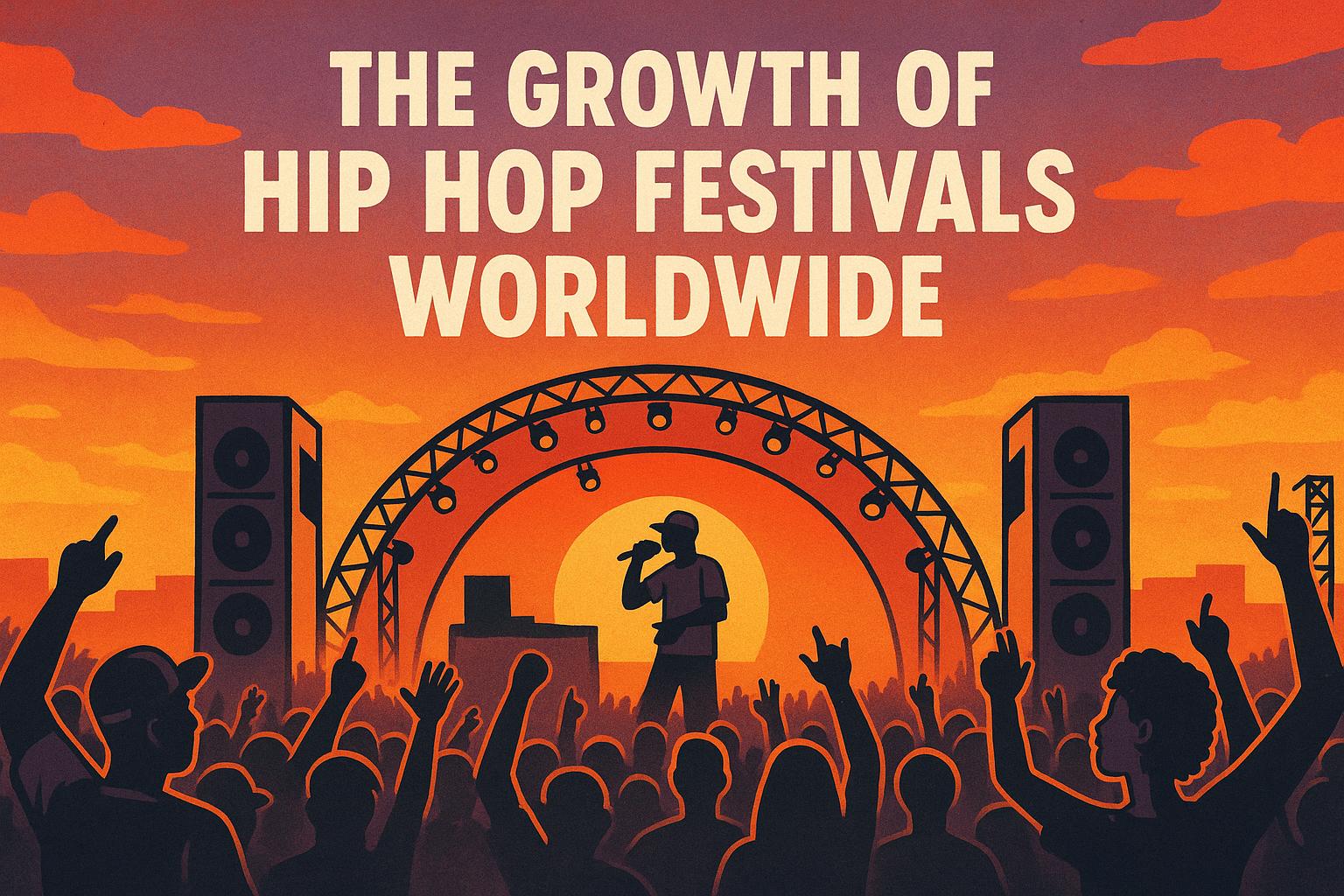
The Expansion of Hip Hop Festivals Globally
The past two decades have witnessed the remarkable growth of hip hop festivals around the world. Originating in the Bronx, New York, during the 1970s, hip hop quickly evolved from a local subculture to a global phenomenon. Today, festivals dedicated to this musical genre continue to flourish, attracting massive audiences and showcasing diverse artists. This expansion is driven by various factors that highlight both cultural and economic aspects.
Historical Context and Evolution
Hip hop music and culture have undergone significant transformations since their inception. Initially embraced by marginalized communities in the United States, hip hop provided not just music, but a voice for social issues and concerns, rapidly spreading beyond American borders. It has been evolving, absorbing influences from other music styles, and adapting to various cultural contexts globally. The growth of hip hop festivals is a testament to this evolution, as they provide a platform for local and international artists to showcase their talents.
The story of hip hop’s transformation from a Bronx-based movement to a global powerhouse is as intricate as the beats and rhymes that define the genre. Hip hop originated with DJs and MCs entertaining crowds at local block parties, but soon it began addressing social issues, thereby gaining traction as a form of protest art. Its raw energy and directness appealed to a multitude of audiences, helping it break geographical and cultural barriers. As hip hop’s message resonated worldwide, it began influencing styles and sounds in many regions, inspiring the birth of localized versions of the genre. In each location, hip hop adapted to reflect local issues and aspirations while maintaining its core identity of self-expression and resistance.
Diversity of Festivals
The diversity of hip hop festivals mirrors the genre’s adaptability and appeal across different regions. In North America, events such as Rolling Loud and Made in America draw huge crowds. In Europe, festivals like Wireless in the UK and Openair Frauenfeld in Switzerland illustrate the genre’s widespread appeal. Additionally, events in Africa, Asia, and Latin America highlight the inclusive nature of hip hop and its ability to resonate with various audiences.
The kaleidoscope of festivals varies not just in size but also in their ability to integrate into and reflect the cultural milieu of their host cities. In North America, festivals often feature a blend of mainstream giants and underground talent, creating a melting pot of sounds and styles. European festivals frequently showcase an eclectic line-up, allowing for a celebration that is both regional and universal in nature.
In Africa, hip hop festivals focus on themes of empowerment and cultural heritage, incorporating elements from traditional music. Meanwhile, in Asia, these festivals introduce a synthesis of Western influences and local styles, showcasing artists who blend hip hop with indigenous sounds. Latin American hip hop festivals often emphasize community and political activism, with events highlighting local artists who address social issues through their music.
Economic Impact and Significance
Hip hop festivals contribute significantly to the economies of their host cities. These events generate revenue through ticket sales, merchandise, and tourism. Local businesses, including hotels, restaurants, and transportation services, also benefit from the influx of visitors. Moreover, the festivals create job opportunities in the entertainment and service industries, further emphasizing their economic significance.
The financial ripple effect of hip hop festivals extends beyond direct revenues. Cities hosting these events often experience increased international visibility, enhancing their profile as cultural and tourist destinations. This can lead to further investments in infrastructure and development, with festivals acting as catalysts for broader economic growth.
Cultural Exchange and Interaction
Hip hop festivals serve as platforms for cultural exchange and interaction. Attendees experience performances from international artists, fostering cross-cultural appreciation and understanding. These events offer opportunities for local talent to gain exposure on a global stage, promoting cultural diversity within the music industry.
Workshops and panel discussions are integral components of many festivals, encouraging dialogue among artists, industry professionals, and fans. These sessions facilitate knowledge sharing and networking, leading to collaborations that further the evolution of the genre. The exchange of ideas and experiences enriches not only the participants but also the global hip hop community.
The Role of Technology
Advancements in technology have played a crucial role in the growth of hip hop festivals worldwide. Social media and streaming platforms offer artists increased visibility and allow fans to access music effortlessly. This digital era has enabled festivals to reach broader audiences and enhance global connectivity, thus fueling the popularity and expansion of hip hop music.
The integrated use of live streaming enables fans worldwide to partake in festival experiences remotely, bridging geographical divides. Furthermore, digital marketing and social media campaigns are essential tools for promoting festivals, engaging audiences, and building a community around these events. Artists utilize these platforms to release music, interact with followers, and generate excitement about upcoming performances.
Future Prospects
As hip hop continues to evolve and gain more traction, the future of hip hop festivals appears promising. The blend of cultural diversity, economic benefits, and technological integration will likely contribute to the continued expansion of these events. Organizers increasingly focus on sustainability and inclusivity, ensuring that festivals remain relevant and attractive to diverse audiences.
In the coming years, the emphasis on eco-friendly practices and social responsibility will likely become increasingly important within festival organization. This might involve reducing carbon footprints, supporting fair trade, and giving back to local communities. Inclusivity efforts are also set to expand, reflecting a commitment to amplifying underrepresented voices within the hip hop scene, both on stage and behind the scenes.
For more information on specific hip hop festivals or upcoming events, please visit dedicated music festival websites or reliable entertainment news outlets.