

Introduction
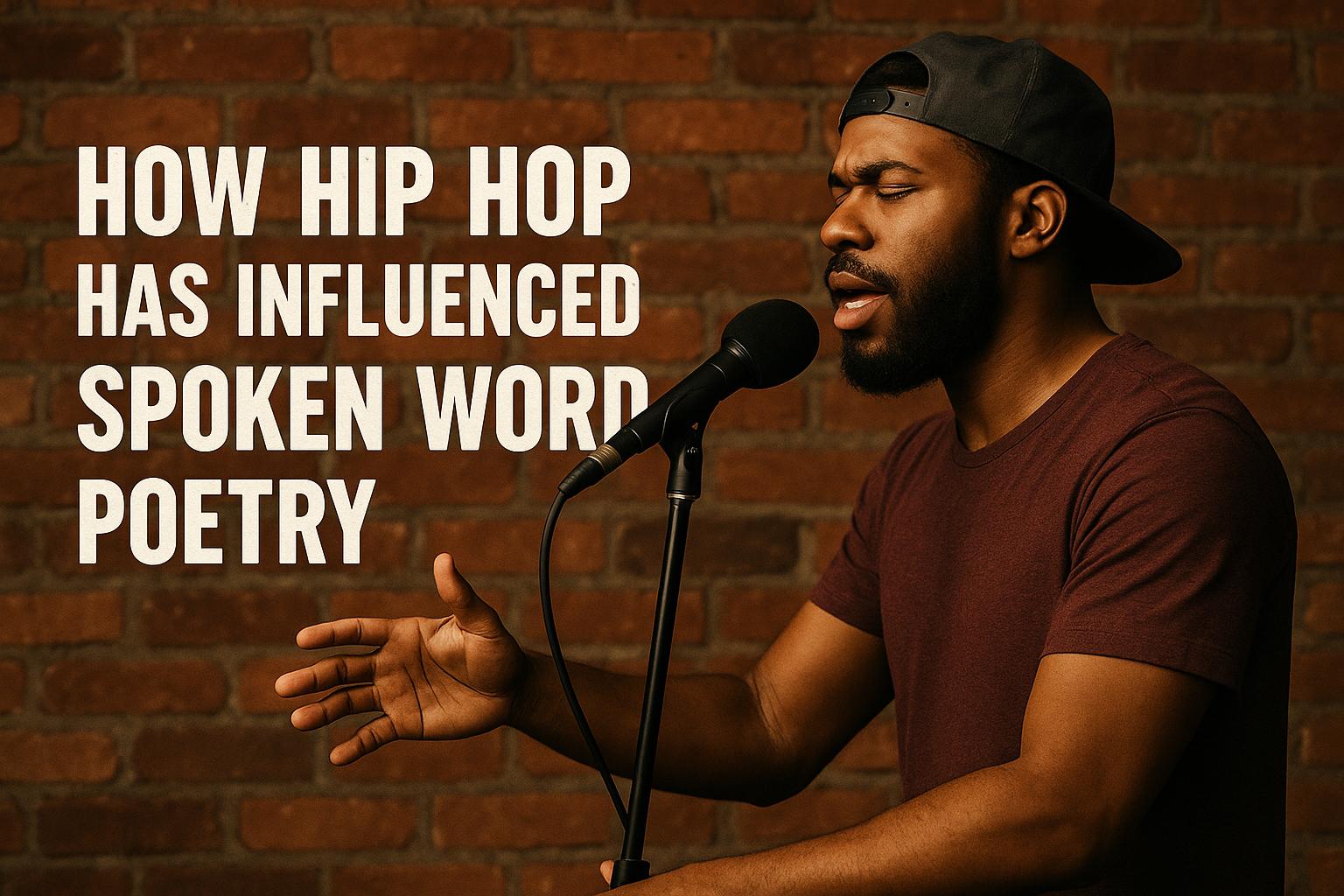
Hip hop and spoken word poetry are two distinct art forms that have cultivated a profound connection over the decades. This connection is not merely incidental but arises from their shared historical backgrounds and mutual objectives, particularly in giving a voice to marginalized communities and expressing socio-political realities. Hip hop, with its roots in music and cultural movement, has significantly influenced spoken word poetry, particularly in its themes, stylistic elements, and cultural significance. As we delve into this relationship, we will explore how these artistic expressions intertwine and how each contributes to the evolution of the other.
Historical Context
The origins of both hip hop and spoken word poetry can be traced back to African oral traditions, where storytelling and rhythm were key components of cultural expression. This oral tradition laid a foundational bedrock on which both art forms were built. Hip hop, which emerged in the 1970s in the Bronx, was born out of necessity; it was a voice for African American and Latino communities grappling with widespread socio-economic inequities and systemic neglect. At its core, hip hop was, and continues to be, a platform for expressing social and political frustration through its raw and vibrant lyricism.
In contrast, spoken word poetry, while older and more varied in its historical roots, found its modern-day resurgence partly due to influences from the Beat poets of the 1950s and movements like civil rights activism in the 20th century. Beat poets emphasized spontaneous, raw emotions and existential themes, carving pathways that spoken word poets later adapted and expanded upon. The civil rights movement further reinforced poetry’s role as a medium for activism and societal reflection. As a consequence, platforms have been developed over time that are specifically dedicated to these styles, offering further insights into their evolution and enduring legacy.
Influence on Themes
Hip hop’s influence extends significantly into the thematic realms of spoken word poetry. The direct, incisive approach characterizing hip hop music has permeated the thematic choices of spoken word poets. Broadly shared themes between these two genres include identity, resistance, and social justice—all pivotal in providing a reflective space for addressing issues such as systemic racism, economic disparities, and intensely personal narratives of struggle and triumph. Hip hop’s emphasis on personal narrative and social commentary serves as a rich source of inspiration, enabling spoken word poets to weave together intricate tapestries of experiences that speak universally yet also resonate personally.
Spoken word poetry often draws on narratives embedded in the struggle for freedom and equality, much like hip hop. Artists in both fields confront and dissect social issues with vivid imagery and emotive language, shining a spotlight on topics that mainstream discourse may overlook or dilute. This thematic kinship reinforces a shared commitment to not only entertain but also enlighten and challenge audiences.
Stylistic Elements
The rhythmic and stylistic elements intrinsic to hip hop have significantly molded the delivery and structure of spoken word poetry. Key among these is the shared reliance on rhythm, wordplay, and performance as vehicles for engagement. Both art forms employ rhythm as a dynamic tool that captures the listener’s attention and imbues words with a pulsating vitality.
Moreover, spoken word poetry has borrowed numerous techniques from hip hop, such as rapid-fire delivery, the incorporation of rhyme schemes, and the use of a commanding stage presence. These techniques combine to produce an engaging performance art that not only captivates but also communicates profoundly. Such performances often channel the same energetic essence found in hip hop, which is fundamental to their shared appeal and impact.
Cultural Significance
Hip hop and spoken word poetry have played pivotal roles in amplifying marginalized voices and catalyzing social discourse. Influenced by hip hop, spoken word poetry has become a powerful educational tool within academic settings, offering students a platform to explore and express their identities and viewpoints creatively and meaningfully. Beyond educational domains, spoken word’s presence in cultural festivals and events underscores its cultural significance in broader society.
This crossover appeal highlights the unique fusion of hip hop and spoken word poetry as integral components of cultural expression. Events dedicated to showcasing this synergy reveal how deeply these art forms are interwoven into the tapestry of cultural and societal movements. They provide a compelling platform for artists to showcase themes and narratives that reflect the complexities of contemporary life.
Conclusion
The influence of hip hop on spoken word poetry underscores a vibrant cultural exchange between the two art forms. Their intertwined histories and shared objectives illustrate the profound power that storytelling and performance hold as catalysts for change. Looking at their evolution through the lens of this interrelationship offers rich insights into how art can reflect, challenge, and shape societal perceptions and narratives.
As hip hop and spoken word poetry continue to evolve, their ongoing dialogue will likely yield innovative expressions that reflect the nuances of our shared human experience. These art forms will invariably continue to capture the essence of cultural landscapes, providing valuable insights into both past and present societal dynamics. This fusion remains a critical force for cultural examination and transformation, ensuring that both hip hop and spoken word poetry will continue to be relevant and powerful modes of expression in years to come.