

How Hip Hop Music Videos Have Evolved

How Hip Hop Music Videos Have Evolved

Introduction to the Evolution of Hip Hop Music Videos

Hip hop music videos have undergone significant changes since the genre’s emergence in the late 1970s. These videos have evolved from simple and straightforward productions to complex artistic expressions that influence not only music but also fashion, culture, and technology. The transformation of hip hop music videos reflects broader technological advancements and shifts in cultural aesthetics.

The Early Days of Hip Hop Music Videos

In the early days, hip hop music videos were relatively simple, often featuring artists performing live or in studio settings. The focus was primarily on showcasing the artist and the music rather than on intricate visual storytelling. Videos like “The Message” by Grandmaster Flash and the Furious Five were emblematic of this era, highlighting raw urban landscapes that paralleled the themes of the music.

During this period, the function of music videos was largely about exposure and celebrating the authenticity of the artists and their communities. The aesthetic elements were straightforward, often shot in natural, unembellished settings that resonated with the grassroots essence of hip hop. Despite technological limitations, the spirit of these videos was compellingly authentic, providing a visual companion to the narrative-driven lyrics that characterized early hip hop.

The Golden Age and Increased Production Values

The late 1980s and early 1990s, known as the Golden Age of hip hop, saw music videos becoming more polished and professional. Artists such as Run-D.M.C., Public Enemy, and N.W.A began utilizing music videos as platforms for political and social commentary. The visuals started to mirror the lyrical content more closely, with heightened production values and creativity.

This era marked a significant shift where music videos began to be seen as critical storytelling tools rather than just promotional material. Directors started to experiment with new techniques, employing more sophisticated filming methods, elaborate set designs, and narrative elements that went beyond the basic performance shots. The themes varied, covering topics from socio-political issues to cultural identity, which were complemented by innovative visual imagery.

The Bling Era and Excessive Opulence

The late 1990s and early 2000s introduced a new era often referred to as the “bling” era. Video budgets soared, and hip hop music videos became synonymous with luxury and extravagance. Artists like Puff Daddy and Jay-Z showcased opulent lifestyles, with videos featuring exotic locations, expensive cars, and lavish parties. Directors like Hype Williams became known for their distinctive, flashy style.

The “bling” era was characterized by an amplification of material wealth and excessive opulence, often serving as a visual manifestation of success and achievement. Music videos of this time focused on the glamour and allure of the high life, employing elaborate visual effects and vibrant color palettes that contrasted starkly with the grittier depictions of earlier periods. This era left a lasting impression, solidifying hip hop’s place within mainstream pop culture and influencing fashion, language, and youth culture globally.

The Rise of Digital and DIY Culture

The mid-2000s marked the rise of digital media and online platforms like YouTube, which revolutionized how music videos were produced and distributed. This democratization of video-making allowed emerging artists to create and share content without the need for significant financial investment. Artists like Soulja Boy utilized these platforms effectively to gain exposure, setting a precedent for the viral success strategies of today.

With technology becoming more accessible, there was a surge in creativity as artists experimented with new ways of engaging their audience. The digital age allowed for an unprecedented level of interaction between artists and fans, fostering a global community. The visual content during this period was often more dynamic and experimental, mixing reality with digital landscapes, and sometimes involving fan-created content, which added a layer of authenticity and relatability.

Interactive Experiences and Technology Integration

Today’s hip hop music videos often integrate cutting-edge technology and interactive elements, offering viewers an immersive experience. Virtual reality, augmented reality, and advanced special effects are now commonly used, pushing the boundaries of traditional storytelling. Videos from artists such as Travis Scott and Childish Gambino illustrate how technology can enhance the narrative and visual impact of music videos.

These innovations have transformed music videos into more than just a visual accompaniment to a song; they have become multidimensional experiences that invite viewers to engage with content in novel ways. Advanced technology has facilitated more complex narratives and interactive experiences, allowing audiences to become co-creators in the storytelling process. This integration of technology challenges traditional formats and inspires new means of artistic expression, reflecting the ever-evolving landscape of the music industry.

Conclusion

The evolution of hip hop music videos mirrors the dynamic changes in both the music industry and society at large. From modest beginnings to high-budget productions and digital innovations, these videos have continually adapted to new technologies and cultural shifts. They not only serve as promotional tools but also as influential cultural artifacts that reflect the diverse and rich history of hip hop music. For a deeper understanding of hip hop’s cultural impact, exploring various academic and industry-specific resources is recommended.

As we continue to witness the evolution of hip hop music videos, it is essential to appreciate their role in shaping and reflecting cultural identities across the globe. The future of hip hop music videos promises to be just as dynamic and innovative, driven by ongoing technological advancements and an ever-changing cultural landscape.

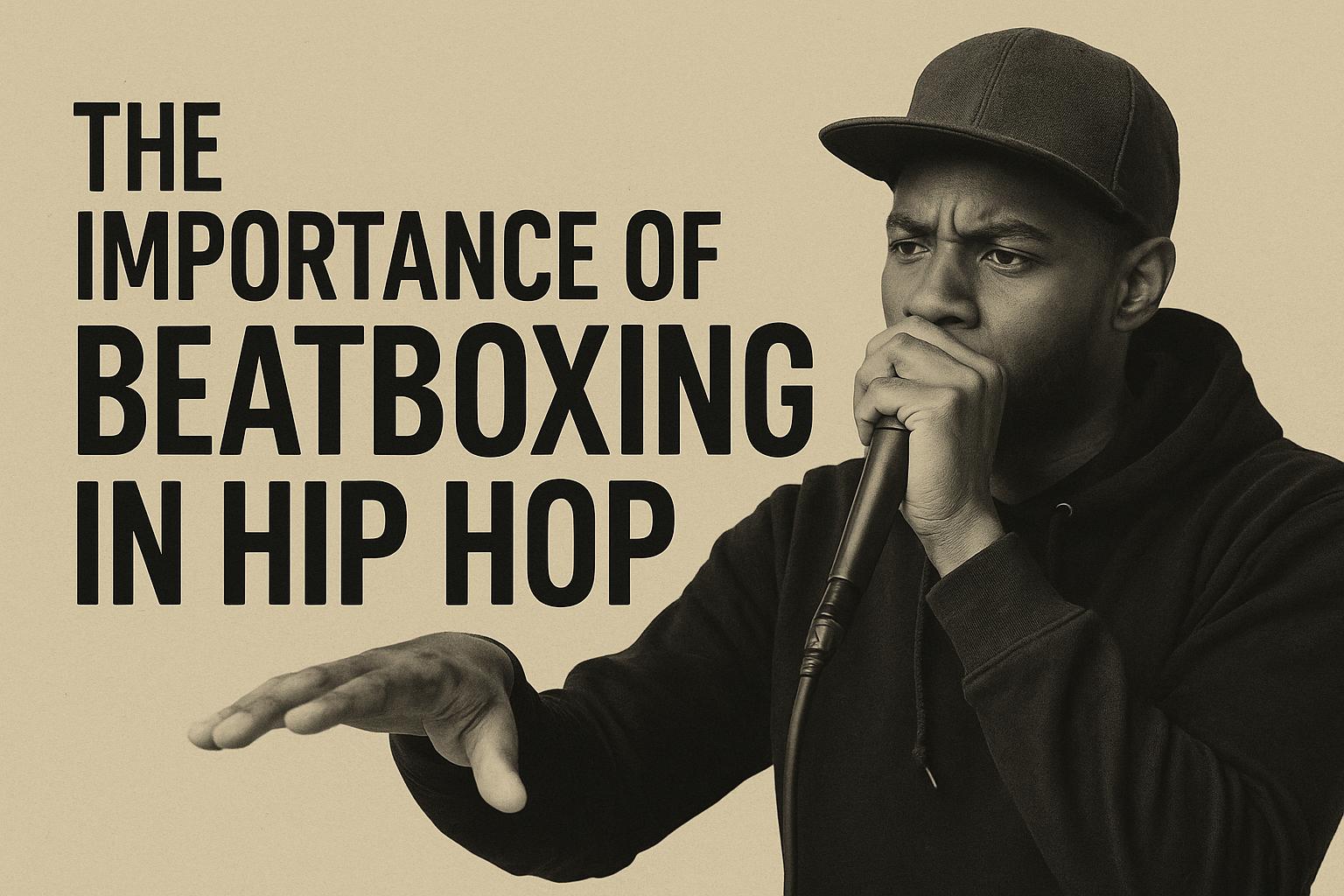
The Importance of Beatboxing in Hip Hop

The Importance of Beatboxing in Hip Hop

The Role of Beatboxing in Hip Hop Culture

Hip hop, a cultural movement that emerged in the 1970s, encompasses a blend of four main elements: DJing, rapping, graffiti art, and breakdancing. Within this cultural tapestry, beatboxing holds a unique niche. It serves as the art of vocal percussion, wherein individuals produce drum beats, rhythms, and various musical sounds through their mouth, lips, tongue, and voice. Even though it wasn’t initially recognized as one of the original four elements of hip hop, beatboxing has evolved significantly, becoming a vital facet of the hip hop genre.

Historical Background

The roots of beatboxing can be traced back to the early days of hip hop, spanning the late 1970s and early 1980s. Pioneering artists such as Doug E. Fresh, often referred to as the “Human Beatbox,” and Biz Markie demonstrated the potential of using one’s voice to mimic the sounds of drum machines and other instrumental beats. As hip hop culture evolved, so did beatboxing, intertwining itself with the other elements and contributing markedly to the genre’s musical innovation.

Influence on Hip Hop Music

The incorporation of beatboxing into hip hop music provided artists with a versatile and accessible tool for creating beats and rhythms without the need for expensive equipment. Its inherent portability allowed performers to collaborate in a broad range of settings, from street corners to large arenas. During live performances, beatboxing added an interactive and engaging dimension, often accompanying MCs or performing as solo acts. By rediscovering the creative potential of the human voice, beatboxing influenced both the production and performance aspects of hip hop, fostering a unique connection between artists and audiences.

Beatboxing also enabled hip hop to maintain its roots in improvisation and oral tradition, where spontaneity and skill are highly prized. The ability to create music on-the-fly using just the human voice challenged artists to be more creative, pushing the boundaries of what could be achieved in the context of live performance and recorded music. Moreover, beatboxing served as an egalitarian medium, accessible to anyone willing to learn and practice, contributing to hip hop’s identity as an inclusive cultural movement.

Evolution of Beatboxing Techniques

In the decades since its inception, beatboxing has evolved into a highly technical and sophisticated art form. Contemporary beatboxers have developed a diverse array of techniques and sounds to create complex rhythms. These rhythms can range from emulating the driving beats of genres like drum and bass to replicating intricate vocal melodies, thus expanding the genre’s sonic palette far beyond its original scope. This continuing evolution of techniques and styles has helped ensure beatboxing’s sustained relevance and importance within the ever-changing musical landscape.

Advancements in beatboxing techniques have not only contributed to its staying power in the realm of hip hop music but have also encouraged a kind of cross-pollination with other musical genres. Beatboxers have increasingly collaborated with electronic musicians, jazz artists, and classical performers, exploring new creative possibilities and pushing the boundaries of vocal music.

Beatboxing in Contemporary Hip Hop

Today, beatboxing remains a significant and influential practice within hip hop culture. It acts as a crucial bridge between the traditional elements of hip hop and the evolving contemporary music scene. The rise of digital and online platforms has further amplified its reach, allowing artists to connect with international audiences and showcasing their skills to a global fanbase. Social media and video-sharing platforms have become pivotal in bringing the art of beatboxing to the forefront, providing a space for artists to share their work, learn from peers, and inspire a new generation of aspiring beatboxers.

Many contemporary hip hop acts and vocal groups have embraced beatboxing as a fundamental component of their music, celebrating its enduring appeal and versatility. It is common for modern hip hop performances to feature a beatboxer, highlighting the symbiotic relationship between beatboxing and other hip hop elements such as rapping and DJing. This interplay not only enhances live performances but also enriches the overall sound and experience of hip hop music.

Furthermore, the global reach of beatboxing has given rise to international competitions and festivals dedicated to the art form, where beatboxers from around the world gather to showcase their talents, compete, and share in their love for the craft. These events have become important cultural gatherings, fostering community and innovation within the beatboxing and larger hip hop communities.

In conclusion, beatboxing plays a crucial role in hip hop’s cultural and musical heritage. Its ability to continually adapt and innovate fuels its enduring significance within the genre. For those interested in exploring the wider world of hip hop culture, understanding beatboxing’s impact is essential. Its rich history, influence on music, and ongoing evolution highlight its indispensable place in the story of hip hop. As both an art form and a cultural phenomenon, beatboxing continues to captivate and inspire artists and audiences alike, ensuring its legacy and vibrancy for generations to come.

For more insights into hip hop and its elements, visit this page.
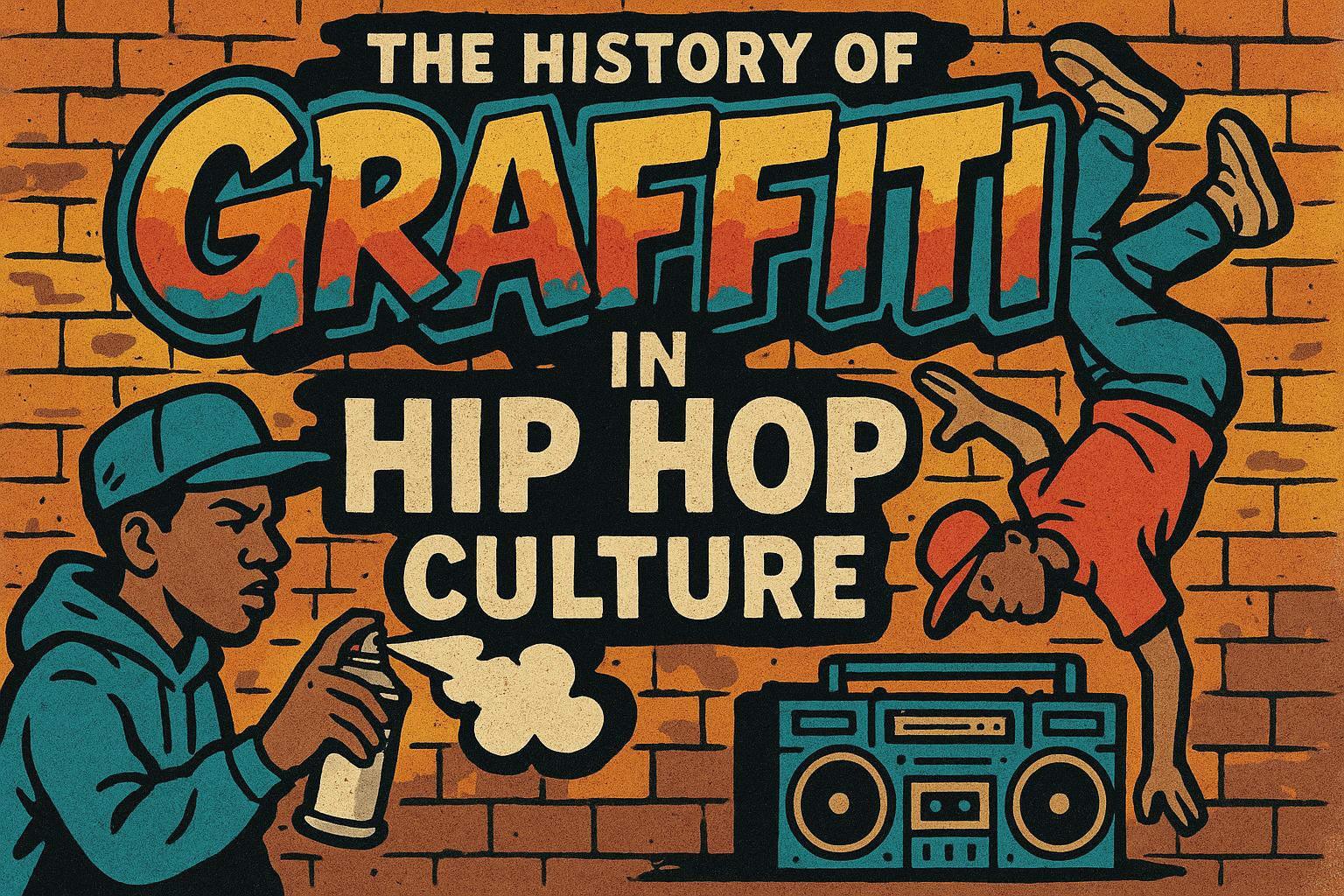
The History of Graffiti in Hip Hop Culture

The History of Graffiti in Hip Hop Culture

The Origins of Graffiti in Hip Hop Culture

The emergence of graffiti as a prominent element in hip hop culture can be traced back to the late 1960s and early 1970s in New York City. This period marked the rise of a distinctive and bold urban art form primarily created by young artists using spray paint and marker pens. The initial roots of hip hop graffiti can be found in the work of pioneering artists like Taki 183 and Julio 204, who began tagging their names throughout the city, thus establishing a new form of self-expression.

Development and Techniques

Graffiti rapidly evolved with the use of more elaborate styles and techniques. As artists sought to outdo each other, they developed a range of styles such as wildstyle, characterized by its intricate and overlapping letters, and blockbusters, featuring large, block-shaped letters intended to cover space quickly. During this developmental phase, graffiti became more than just tagging; it turned into an art form with its own unique vocabularies and styles.

In its early stages, the techniques employed were relatively simple, involving the use of marker pens and basic spray paint. However, as the art form matured, artists experimented with different nozzles, pressures, and even paint types. This experimentation led to a greater variety in line thickness, texture, and color blending. Artists often honed their skills in less visible locations before showcasing their work in more prominent spaces. This period of experimentation brought about a competitive spirit among artists, as they constantly innovated to leave a distinct mark that could stand out in the bustling urban environment.

The Role of Subway Trains

Subway trains became a popular canvas for graffiti artists as they offered a moving platform that showcased their work to a wider audience. New York City’s subway system, with its extensive network and high visibility, turned into a gallery on wheels. The mobility of subway cars allowed artists to communicate across different neighborhoods, spreading their art and messages throughout the city.

The choice of subway trains was strategic; while rooftops and alleyways were static platforms, the moving nature of trains allowed for a broader dissemination of artwork. Once a train bearing graffiti art left its station, it traveled through various landscapes and neighborhoods, effectively transforming the display from a local exhibition to citywide prominence. This not only expanded the geographic reach of the artists’ messages but also turned their work into a form of urban storytelling that connected diverse parts of the city.

Graffiti as a Voice of the Youth

As a component of hip hop culture, graffiti served as a voice for the youth, especially from marginalized communities. This form of expression was, in many cases, a response to urban blight and socio-economic challenges faced in various neighborhoods. Graffiti provided a public outlet for young artists to assert their identity and communicate their views, blending art with activism.

The areas where graffiti thrived were often those experiencing economic challenges and social changes. Young people found themselves in environments where personal and cultural expression was hindered by socio-economic barriers. In such a context, graffiti emerged as a crucial form of resistance that allowed them to stake a claim over their environment. It was both a method for challenging the status quo and a way to voice concerns, aspirations, and cultural narratives that were often overlooked by mainstream society.

The Intersection With Other Hip Hop Elements

The integration of graffiti with other elements of hip hop culture, such as breakdancing, DJing, and rapping, further solidified its place within this musical and cultural movement. Each element shared a focus on creativity, rebellion, and community. Spaces known as “hip hop jams” often featured multiple forms of artistic expression, and graffiti demonstrated the visual aspect of the culture, complementing the auditory elements.

Graffiti artists collaborated with musicians and dancers, offering visual representations that matched the rhythmic beats and lyrical narratives. At these gatherings, the presence of graffiti served as both backdrop and participant, filling the spaces with its vibrant colors and messages. The intermingling of these art forms created a dynamic cultural scene where the vibrancy of visual art met the energy of performance, thus enriching the overall experience of hip hop culture.

Institutional Response and Regulation

As graffiti gained notoriety and visibility, it also drew attention from city officials and law enforcement. Efforts to regulate and curb graffiti were put into place, viewing it as a form of vandalism. Initiatives included increased policing and the establishment of programs to clean up and paint over graffiti-covered surfaces. Despite these measures, graffiti continued to flourish as a form of resistance and an essential part of hip hop culture.

Municipalities implemented various expensive and extensive clean-up operations, painting over walls and deploying police officers to catch artists in the act. These actions often failed to grasp the cultural and artistic importance of graffiti as an outlet for youth expression and social commentary. Ironically, such opposition often fueled the determination of graffiti artists, who saw their art as a fight against the invisibility and disenfranchisement they faced. This battle between artists and authorities brought to light ongoing tensions between public space usage and individual expression.

The Global Spread and Influence

With the international expansion of hip hop culture during the late 20th century, graffiti also gained global popularity. It became a universal form of expression among youth cultures worldwide, adapting to various urban landscapes and cultural contexts. Artists from different countries brought their own perspectives and styles, broadening the scope and diversity of graffiti within hip hop.

Graffiti’s international journey reflects its versatility and universal appeal. It no longer remains confined to its New York City origins but has been embraced in cities such as Paris, Tokyo, and Sao Paulo, each adapting the form to its local cultural nuances. In Europe, for example, graffiti often intersects with avant-garde art movements, while in Latin America, it intertwines with a rich tradition of muralism and political expression. This globalization of graffiti illustrates not only its aesthetic variety but also its role as a channel for cultural exchange and engagement, connecting disparate communities through a shared artistic language.

This history of graffiti within hip hop culture highlights its role beyond mere artistry; it reflects societal issues, cultural expression, and the enduring spirit of innovation. As an integral part of hip hop culture, graffiti has left an indelible mark on art, society, and the way urban landscapes are perceived globally.