

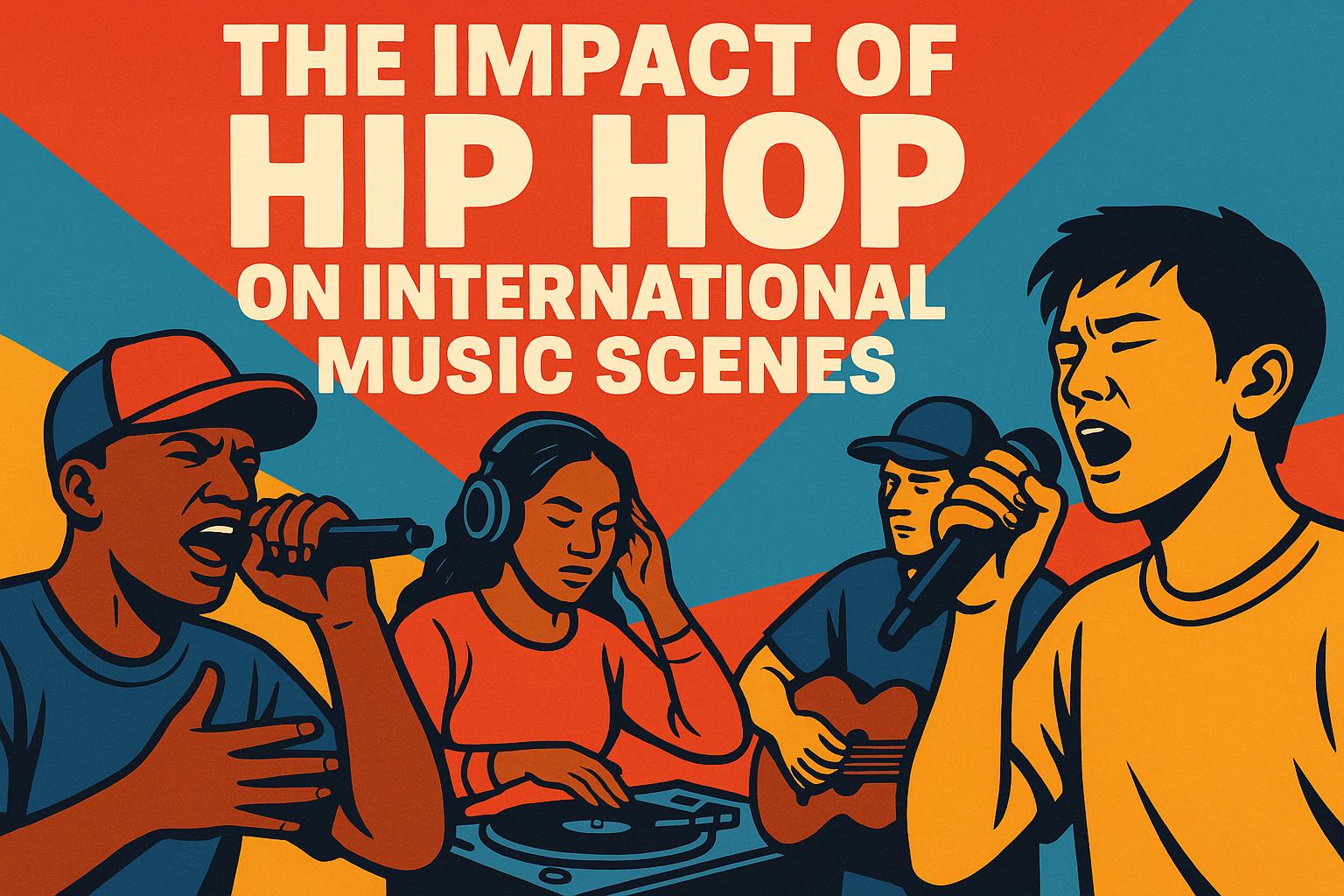
The Global Reach of Hip Hop
Hip hop, which originated from the Bronx in New York City during the late 1970s, has become a vital force in global music. Emerging from urban culture and growing significantly over the decades, its influence permeates music scenes worldwide. The genre, primarily characterized by its rhythmic vocal style and distinctive beat structures, has adapted to fit various cultural nuances while maintaining its core attributes. This adaptability is instrumental in its international success, allowing it to transcend cultural and linguistic boundaries more effectively than many other music genres.
Hip Hop’s Influence on Different Regions
Europe
In Europe, the influence of hip hop has left a lasting impression on various music scenes, notably in the United Kingdom, France, and Germany. The UK has seen artists like Stormzy and Dave craft unique sonic experiences by blending elements of grime, UK garage, and traditional hip hop. This amalgamation has fortified a style that resonates deeply with local audiences while garnering respect on a global scale. Meanwhile, French hip hop is an intellectual and expressive mirror reflecting the nation’s complex socio-political landscape. Artists such as IAM and MC Solaar have deftly incorporated contemporary social issues into their music, contributing to France’s rich legacy of cultural and musical hybridity. This musical expression has become synonymous with the country’s diverse, multicultural backdrop.
Asia
The growth of hip hop in Asia is particularly prominent in countries like South Korea and Japan, where cultural syncretism is abundant. South Korean groups, notably BTS and G-Dragon, have adeptly fused hip hop with the global sensation of K-pop, cultivating massive global followings. This blending exemplifies how regional musical forms can incorporate hip hop’s dynamic styles while achieving commercial success and widespread recognition.
Japan’s hip hop scene, although smaller, is known for its deeply influential output, particularly the work of artists like Nujabes. His signature, jazzy, and instrumental beats have carved out a niche within the international music community. These distinctive sounds have led to a unique style of hip hop that is not only introspective but also beautifully complex, reflecting Japan’s affinity for blending the old with the new.
Africa
In Africa, hip hop serves a critical role as a platform for social commentary and an outlet for artistic expression. Nigerian and South African artists, in particular, channel hip hop as a medium to address political challenges and cultural identity issues. Prominent figures such as Wizkid and Nasty C champion African perspectives by promoting the unique blend of indigenous rhythms with global hip hop influences. This artistic fusion not only highlights the continent’s rich musical talents but also enhances the visibility of African hip hop on international platforms, thus encouraging vibrant cross-cultural exchanges.
Adaptation and Integration
Hip hop’s incredible versatility has made it a prime candidate for adaptation into diverse cultural traditions. Across Latin America, artists such as Residente and Anitta mix reggaeton and samba with hip hop, generating captivating new musical forms. These adaptations embrace local narratives and dance rhythms, creating resonant and exciting sonic experiences for regional audiences.
In India, Bollywood adopts hip hop influences in ways that reflect the nation’s linguistic diversity and traditional narrative styles. Artists like DIVINE and Emiway Bantai achieve acclaim by seamlessly blending local dialects with rap’s storytelling techniques, thereby cultivating a vibrant hip hop scene that is localized yet universally appealing.
Technological Influence
Technology, especially through digital innovations and online platforms, has decisively influenced the dissemination and popularity of hip hop on a global stage. Streaming services, social media, and video-sharing platforms have become pivotal in facilitating the rapid spread of music beyond geographical confines. These modern technologies create opportunities for the exchange of musical ideas and cross-cultural collaborations, enabling artists from regions with traditionally limited exposure to reach international audiences and share their creative visions unhindered.
The influence of online hubs negates many traditional barriers of the music industry and democratizes access both for artists needing exposure and for audiences seeking diverse musical offerings. Rising artists now find themselves equipped with potent digital tools, enabling authentic interactions with fans worldwide and encouraging innovative blends of style and genre.
Conclusion
Hip hop’s impact on global music scenes is both profound and multifaceted. It has not only influenced existing musical genres by adding depth and novel rhythmic layers but has also been a catalyst for the creation of new styles and cultural dialogues. By acting as a unique vehicle for cultural interplay, hip hop contributes to the fostering of cross-cultural understanding and international cultural exchange, reinforcing its role as both a dynamic art form and a potent social movement. This impact has ensured hip hop’s continued relevance as a powerful global force, shaping and being shaped by the ever-evolving cultural landscapes in which it finds itself.