

Introduction to Hip Hop and Civil Rights
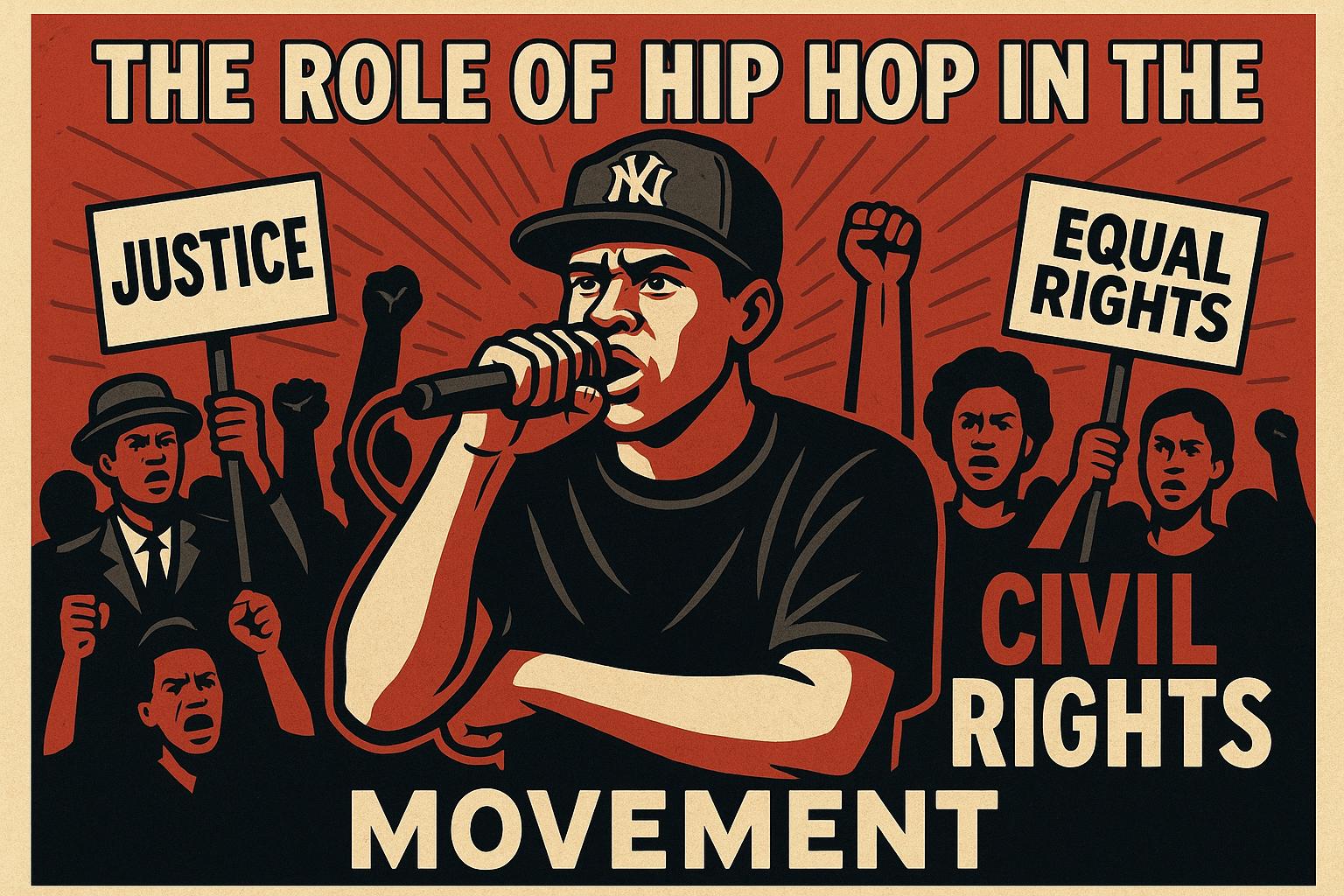
Hip hop, a cultural movement that surged in prominence during the late 1970s, is often linked primarily with its unmistakable music, expressive art, and dynamic dance forms. Nevertheless, the roots of hip hop lie deeply embedded in societal and cultural movements like the Civil Rights Movement that reigned over the 1950s and 60s. This profound connection between hip hop and historical movements offers a lens through which one can view hip hop not just as entertainment but as a vital mechanism for continuing the arduous journey toward racial equality and social justice.
Historical Context of the Civil Rights Movement
The Civil Rights Movement remains a cornerstone in American historical narrative, characterized by earnest endeavors to dismantle racial segregation and discrimination towards African Americans. Visionary leaders such as Martin Luther King Jr. and Rosa Parks emerged as enduring symbols in the relentless fight for justice and equality. During this transformational period, music became an instrumental tool to inspire and mobilize activists, drawing heavily from genres like jazz, gospel, and blues. Music served to provide a powerful sonic backdrop to the calls for freedom, further intertwining hip hop with a legacy of resistance and resilience.
The Emergence of Hip Hop
By the time the late 1970s and early 1980s rolled in, new cultural expressions started to sprout within urban landscapes, most notably in New York City. Hip hop emerged, amplifying the voices of those who had long been silenced, tackling poignant issues like poverty, unemployment, and police brutality—challenges that showed resilience despite the significant strides achieved through the Civil Rights Movement. Hip hop thus acted as a bridge, connecting past struggles with contemporary realities through creative and raw expressions of daily life.
Elements of Hip Hop as a Tool for Change
Hip hop is made up of several dynamic elements, each having a noteworthy contribution to the movement’s substantial role in social transformation:
Rap Music: Rap stands as a core pillar in hip hop, carrying powerful narratives that shed light on injustice and inequality. The genre has evolved to become a medium through which artists like Public Enemy, N.W.A, and KRS-One have been able to articulate and critique socio-political issues, effectively continuing the tradition of musical activism initiated by the Civil Rights Movement.
Graffiti Art: More than just a form of creative expression, graffiti serves as a powerful tool for protest, challenging prevailing socio-political norms and providing a platform for marginalized voices that might otherwise remain unheard.
Breakdancing and DJing: While predominantly seen as entertainment, these expressive forms encapsulate resilience and creativity, embodying the spirited defiance that characterizes both the hip hop culture and the Civil Rights Movement. Through vibrant and energetic displays, these elements inspire and ignite change, resonating with the rebellious spirit of past civil rights struggles.
Symbolic Parallels with the Civil Rights Movement
Artists within the hip hop community frequently draw inspiration from historical civil rights icons, underscoring their enduring influence on contemporary movements. Songs like Common’s “A Dream” elegantly pay tribute to Martin Luther King Jr., creating a direct lineage from iconic civil rights efforts to the modern-day activism portrayed in hip hop. These symbolic connections effectively bridge the generational gap, preserving and amplifying the momentum for social and political change.
Impact of Hip Hop on Modern Civil Rights Efforts
In today’s evolving society, hip hop still serves as a galvanizing force for social change and activism. Modern movements, such as Black Lives Matter, have adeptly harnessed the genre’s extensive reach and widespread appeal to rally protests and draw international attention to systemic issues. Artists including Kendrick Lamar and Childish Gambino continuously use their prominent platforms to highlight issues of systemic racism and inequality, seamlessly intertwining contemporary music with the foundational ethos of the Civil Rights Movement, thereby ensuring its relevance and resonance in today’s social landscapes.
Conclusion
Even though the Civil Rights Movement officially reached its zenith in the mid-20th century, its influence resonates firmly within the world of hip hop. This cultural genre remains an indispensable tool for advocacy and change, echoing relentless calls for equality that have defined past eras. As a cultural phenomenon, hip hop not only enthralls and entertains but also educates and empowers, promoting a persistent fight for social justice in today’s world. This interconnectedness ensures that the transformative power of music continuously serves as a beacon, guiding the ongoing quest towards a just and equitable society.