The Intersection of Hip Hop and Fashion
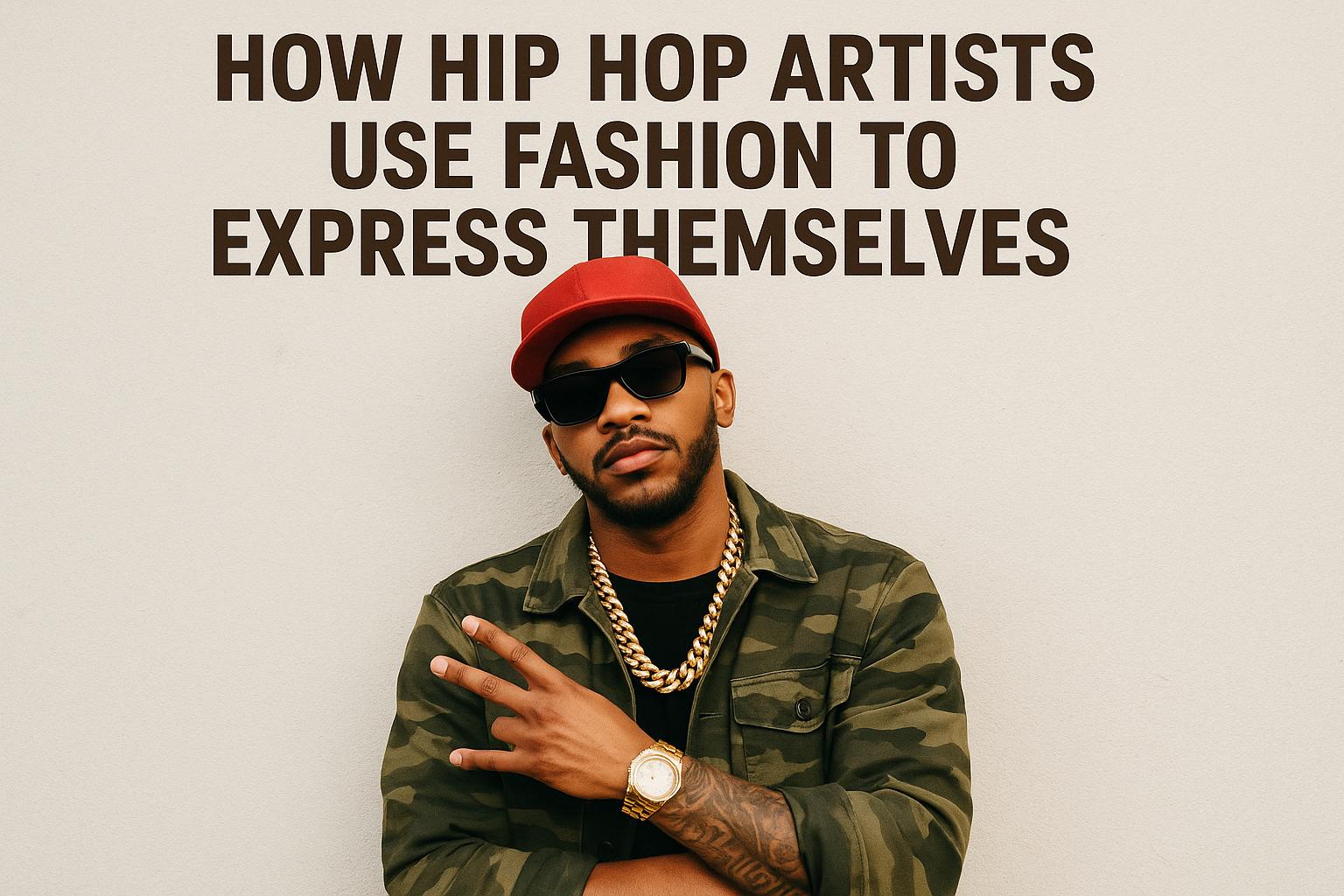
Hip hop has transcended its roots as a music genre to become a global cultural phenomenon. A pivotal element in this evolution is fashion, which hip hop artists use not only as a form of self-expression but also as a statement of identity and individuality. The clothing and accessories chosen by these artists often communicate messages about their backgrounds, beliefs, and lifestyles.
Historical Context
The relationship between hip hop and fashion dates back to the genre’s origins in the 1970s. During this time, early artists, influenced by their urban environments, embraced styles that reflected both their personal narratives and the socio-economic conditions of the time. Typical outfits consisted of items such as tracksuits, oversized clothes, and sneakers. These fashion choices became staples in hip hop culture, symbolizing comfort and accessibility, while simultaneously indicating a sense of rebellion against mainstream fashion norms.
As these artists rose to prominence, fashion choices became inextricably linked to their musical personas. The apparel acted as a visual representation of the stories told through their lyrics. In addition to this, the styles depicted a sense of unity and commonality within the community, as many of these clothing pieces, like the tracksuit, were affordable and easily accessible, thus democratizing fashion in a unique way.
Evolution of Style
With its growing popularity, hip hop fashion began to evolve in tandem with the genre itself. By the 1980s and 1990s, hip hop artists were experimenting with and adopting more diverse styles. This era witnessed the rise of partnerships between musicians and prominent clothing brands. Brands such as Adidas became synonymous with hip hop due to these endorsements and collaborations. The classic Adidas tracksuit and sneakers were staples, immortalized in songs and worn by icons like Run-D.M.C.
This period also saw the emergence of brands specifically oriented around hip hop culture, such as FUBU and Sean John. These brands were founded by entrepreneurs who understood the importance of fashion as a channel for cultural expression. They provided artists a platform to express their identities while resonating strongly with the genre’s audience. The democratization of fashion continued, with these brands often offering clothes that were representative of a shared cultural experience.
The Rise of Streetwear
The evolution of hip hop fashion also contributed to the rise of streetwear styles. Recognized for their casual yet chic appeal, streetwear brands like Supreme and Stüssy started emerging, influencing broader fashion trends. Hip hop artists, such as LL Cool J and the Wu-Tang Clan, embraced these styles, intertwining their music and fashion choices seamlessly. Consequently, streetwear became a fashion movement that was not just limited to urban centers but permeated diverse cultural landscapes across the globe.
High Fashion and Collaborations
In recent decades, the relationship between hip hop and fashion has reached new heights. It is no longer limited to streetwear but has expanded to encompass high fashion. Artists such as Kanye West and Pharrell Williams have not only influenced popular streetwear but have also made inroads into high fashion, collaborating with luxury brands like Louis Vuitton and Chanel. These collaborations symbolize a fusion of creativity and aesthetics, resulting in collections that challenge traditional fashion ideologies.
Kanye West, for instance, has been highly influential in this stride towards high fashion. His Yeezy line is renowned for merging utility and haute couture, offering minimalist designs that appeal to a global audience. Similarly, Pharrell Williams’ collaborations with Chanel and other luxury brands exhibit a versatile and colorful approach to fashion. These partnerships suggest a mutual respect and recognition between the worlds of hip hop and haute couture, indicating that the lines between street and high fashion continue to blur.
Fashion as a Symbol of Success
For many hip hop artists, fashion also serves as a measure of success. Donning high-end brands or custom pieces signifies financial success and artistic achievement. Fashion choices are often intended to communicate an artist’s status within the music industry and beyond. Artists like Jay-Z and Beyoncé are known for their impeccable style choices, often blending streetwear with luxury fashion to highlight their prominence and influence in the industry.
Such fashion statements are not just superficial displays of wealth but are reflective of an artist’s journey and evolution. For example, Jay-Z’s transition from wearing urban-centric style to embracing luxury brands reflects his rise from modest beginnings to becoming a powerhouse in the music and business world. Beyoncé, with her constantly evolving style, becomes a symbol of empowerment, adapting various fashion elements while being at the forefront as a role model for many.
Conclusion
The synergy between hip hop and fashion reflects the genre’s dynamic nature. More than just clothing, fashion in hip hop is a multi-dimensional form of expression, mirroring the music’s themes of resilience, creativity, and rebellion. Hip hop fashion has never been solely about aesthetics; it has been deeply connected to narratives of struggle, triumph, and identity. As hip hop continues to evolve, so too will its fashion, remaining an integral part of this influential cultural movement. The future of hip hop fashion promises continual innovation, maintaining its role as a significant element in understanding contemporary culture and identity.
This intertwining relationship between hip hop and fashion remains a powerful cultural force, influencing mainstream trends while retaining its roots in individuality and shared identity. As both the music and fashion industries continue to evolve, their interconnection will likely yield new styles and trends that challenge and redefine cultural standards worldwide. Fashion houses and designers may continue to draw inspiration from hip hop, while artists will persist in using fashion as a canvas for self-expression and storytelling.