

The Origins of Hip Hop Dance
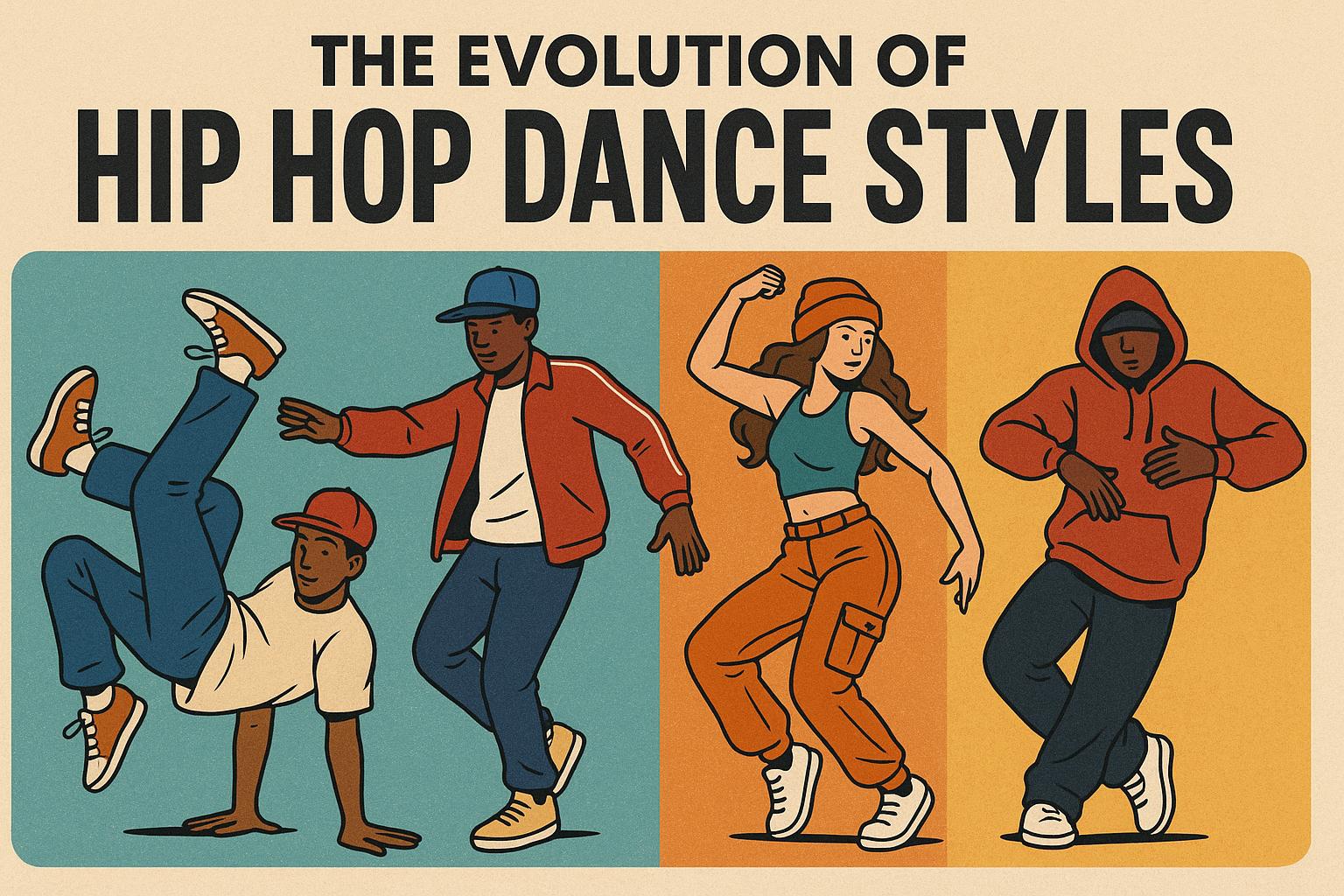
The evolution of hip hop dance styles illustrates a fascinating intersection of diverse cultural influences and historical contexts, extending beyond mere choreography to encompass social movements and community expression. Born in the 1970s in the vibrant Bronx neighborhood of New York City, hip hop dance emerged from the creative fusion among African American, Latino, and Caribbean communities. Initially inseparable from hip hop music, the dance styles contributed to a cohesive cultural movement characterized by vibrant energy and deep-rooted community ties. At its core, hip hop dance is a form of social dance, where early pioneers focused predominantly on freestyle movements, emphasizing rhythm and personal expression.
Breaking: The Foundation
Breaking, frequently referred to as breakdancing, represents one of the earliest and most iconic styles within hip hop dance. Distinguished by its athletic and physical nature, breaking encompasses several distinct components such as toprock, downrock, power moves, and freezes. Originally, these movements allowed dancers to express themselves uniquely, highlighting their skills and personal flair.
Breaking provided a crucial platform for individual creativity within the collective experience of cyphers, which are informal, circular gatherings of dancers, and competitive dance battles. These settings encouraged a spirit of friendly rivalry and communal celebration. Over the years, breaking transcended its Bronx origins to become a global phenomenon, embraced by dancers from a myriad of cultural backgrounds. International competitions such as the Red Bull BC One World Final have further cemented its global reputation, attracting participants worldwide and solidifying breaking’s influence within the broader hip hop dance culture.
Locking and Popping
As hip hop’s cultural impact expanded beyond the Bronx, new dance styles emerged on the West Coast of the United States, notably locking and popping. These genres, often linked with the funk movement of the 1970s, have become indispensable to hip hop dance. Locking is characterized by its distinctive pauses and exaggerated gestures, creating rhythmic patterns that are both dynamic and entertaining. By contrast, popping involves rapid muscle contractions and relaxations, generating a striking jerking effect synchronously with the music.
Both styles are generally performed to funk music, which has significantly shaped their development and expression. The characteristic movements of locking and popping have left a lasting imprint on the larger hip hop dance community, influencing performers and choreographers alike while maintaining a sense of playful innovation and rhythmic integrity.
Influence of Commercial Hip Hop
The 1980s and 1990s witnessed a tremendous surge in hip hop music’s mainstream popularity, which paralleled a broader recognition and appreciation of related dance styles. Television, music videos, and films became instrumental in spreading hip hop dance, introducing it to a wide array of audiences and facilitating its evolution. Choreographers like Fatima Robinson and Shane Sparks played pivotal roles in this phase by adapting and translating street styles for the stage and screen. Their work catalyzed the development of what is now often referred to as commercial hip hop.
This adaptation reduced barriers to entry, rendering hip hop dance more accessible to diverse and global audiences. Additionally, this transformation spurred the creation of organized dance classes and workshops, providing structured opportunities for enthusiasts to learn and practice the art form, further integrating hip hop dance into mainstream culture.
Contemporary Styles and Hybrid Forms
In the contemporary scene, hip hop dance continues to evolve through the continual fusion of styles and the integration of novel influences. Dance crews globally strive to blend traditional hip hop elements with contemporary, jazz, and even ballet, exploring new creative possibilities and redefining hip hop dance’s artistic boundaries. This constant evolution has given rise to innovative expressions, showcasing the versatility and dynamism inherent in hip hop dance.
International festivals and dance competitions, including platforms like Hip Hop International, celebrate these hybrid forms, encouraging cultural exchange and promoting innovation within the hip hop dance community. As such, these events not only provide dancers with an opportunity to display their skills and creativity but also foster an environment conducive to learning and collaboration, further propelling the art form’s growth and diversification.
Conclusion
The evolution of hip hop dance styles is far more than the history of a sequence of steps or movements; it represents a testament to cultural exchange, adaptation, and resilience. Each era and geographical region has enriched the hip hop dance tapestry with its distinct contributions, ensuring the art form remains dynamic and ever-evolving. From modest beginnings in the streets of New York City to commanding performances on global stages, hip hop dance continues to ignite inspiration and drive change, serving as a mirror reflecting the ongoing cultural conversations across the world. As more communities and individuals embrace and innovate within this vibrant dance culture, the future of hip hop dance holds limitless potential for artistic expression and cultural dialogue.