

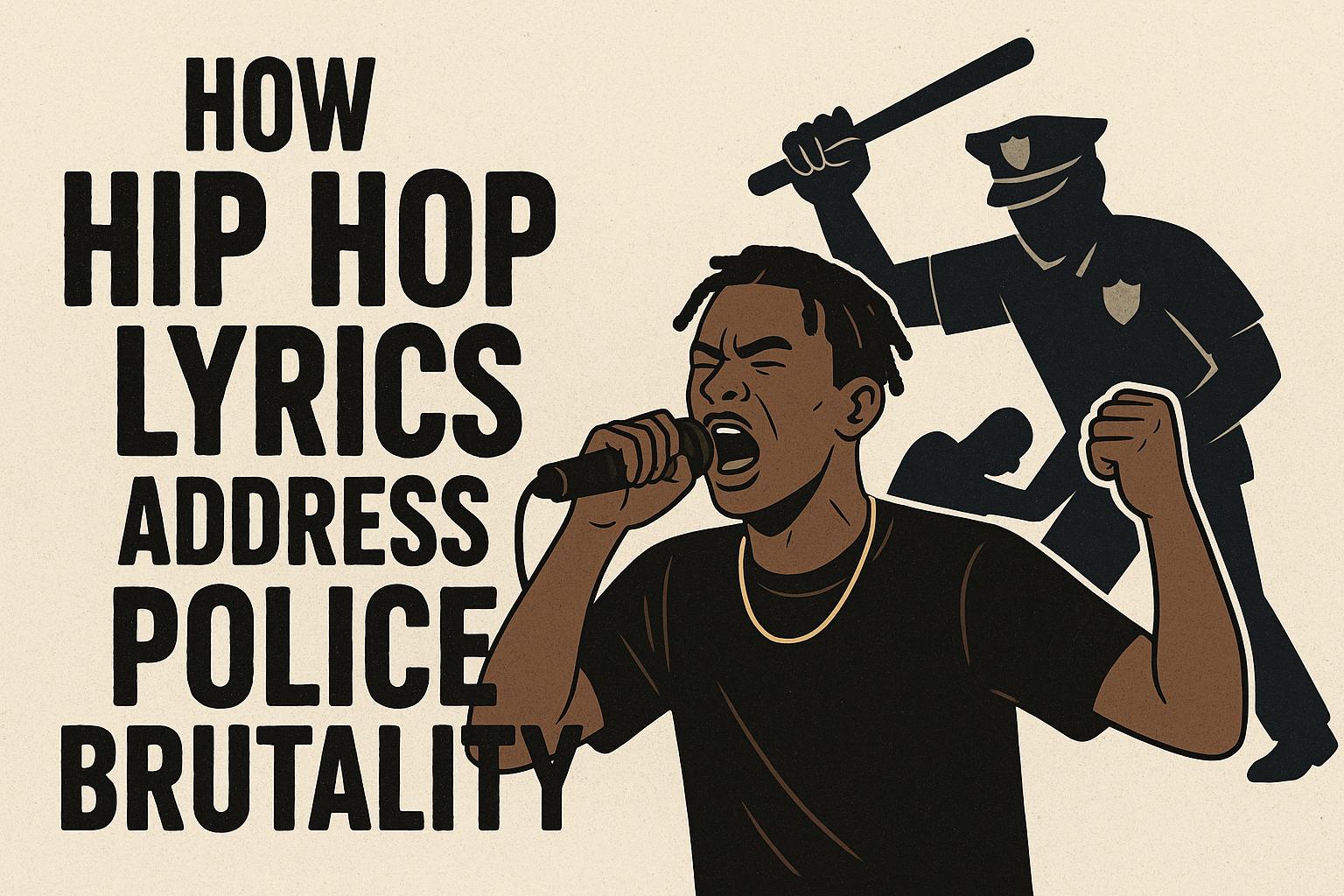
The Role of Hip Hop in Addressing Police Brutality
Hip hop has long been a powerful medium for addressing social issues, including the pressing concern of police brutality. Over the decades, numerous artists have used their platforms to bring attention to incidents of violence and discrimination perpetrated by law enforcement against marginalized communities. This musical genre not only documents these events but also critiques the societal structures that allow such injustices to persist.
Historical Context
The roots of hip hop’s engagement with police brutality can be traced back to its inception in the late 1970s and early 1980s. As hip hop emerged from the neighborhoods of New York City, artists began to reflect the lived experiences of their communities. It was a time when tensions between law enforcement and African American and Latino communities were particularly pronounced. Social and economic conditions in many urban areas contributed to an atmosphere of distrust and animosity towards police forces, which were often viewed as oppressive entities rather than protectors.
During this era, hip hop did not just serve as music but transformed into a cultural movement that encapsulated elements of art and protest. Graffiti, breakdancing, and MCing provided ways for individuals to voice their dissent and engage the public in important social conversations. In many ways, hip hop became a mirror reflecting the struggles faced by those living in these communities, providing a narrative that countered mainstream media portrayals of urban life.
Notable Works and Artists
One of the earliest and most influential examples of hip hop addressing police brutality is the song N.W.A.’s “F*** tha Police”, released in 1988. The track depicted the frustration and anger felt by many African Americans who experienced racial profiling and excessive use of force by the police. This song, like many others, employed vivid storytelling to underscore the tension between communities and law enforcement. Its raw depiction and brazen language made it controversial, yet undeniably impactful, resonating with listeners who sought a voice for their grievances.
Public Enemy, another pivotal group in the hip hop scene, magnified these themes with tracks like “Fight the Power,” emphasizing the importance of challenging and resisting systemic oppression. Artists like KRS-One lent their voice to the cause, reinforcing hip hop’s role as a platform for discontent and demand for justice. These songs have become anthems for those advocating for justice, offering a critical lens through which listeners can better understand the relationship between law enforcement and minority communities.
Recent Developments
In recent years, the hip hop community has continued to address police brutality, especially in the wake of high-profile incidents involving African Americans. The genre has evolved along with societal shifts, becoming more inclusive in addressing a broad spectrum of injustices. Artists such as Kendrick Lamar and J. Cole have tackled these themes in their work, utilizing a narrative style that is both introspective and socially conscious.
Kendrick Lamar’s “Alright,” widely recognized as an anthem of resilience and hope amidst national discussions about police violence, highlights the potential of music to offer solace and galvanize listeners. Similarly, J. Cole’s “Be Free” speaks directly to the emotional turmoil and frustration of witnessing ongoing violence against African Americans. These contemporary artists continue to highlight the systemic nature of police brutality and call for change through their music. Their lyrics provide a contemporary commentary, bridging personal experience with broader societal critique.
Impact on Society
The influence of hip hop lyrics extends beyond just music fans. These songs have helped bring the issue of police brutality to a broader audience, often coinciding with or even fueling social and political movements. Black Lives Matter and other grassroots organizations have often incorporated these tracks as rallying cries during protests, demonstrating music’s power as an instrument of unification and inspiration.
By highlighting personal stories and collective experiences, hip hop continues to play a significant role in the push for reform. The repetitive and poignant messages in the lyrics serve to inform, educate, and energize communities toward action. While quantifying the direct impact of music on political change may be challenging, the cultural shifts it supports are undeniable.
Hip hop not only provides a voice for those who’ve traditionally been marginalized but also emphasizes the need for narratives that accurately reflect the realities of their lives. The genre ensures these critical issues remain at the forefront of societal consciousness, urging listeners to question and challenge prevailing norms.
In conclusion, hip hop remains a vital voice in the ongoing fight against police brutality. Through historical and contemporary works, the genre has cemented its place as a medium that captures the complexities of social injustice and advocates for change. Hip hop has transcended its roots as an innovative musical style to become a significant cultural force, inviting dialogue and urging reflection on the societal issues it so forcefully critiques.