

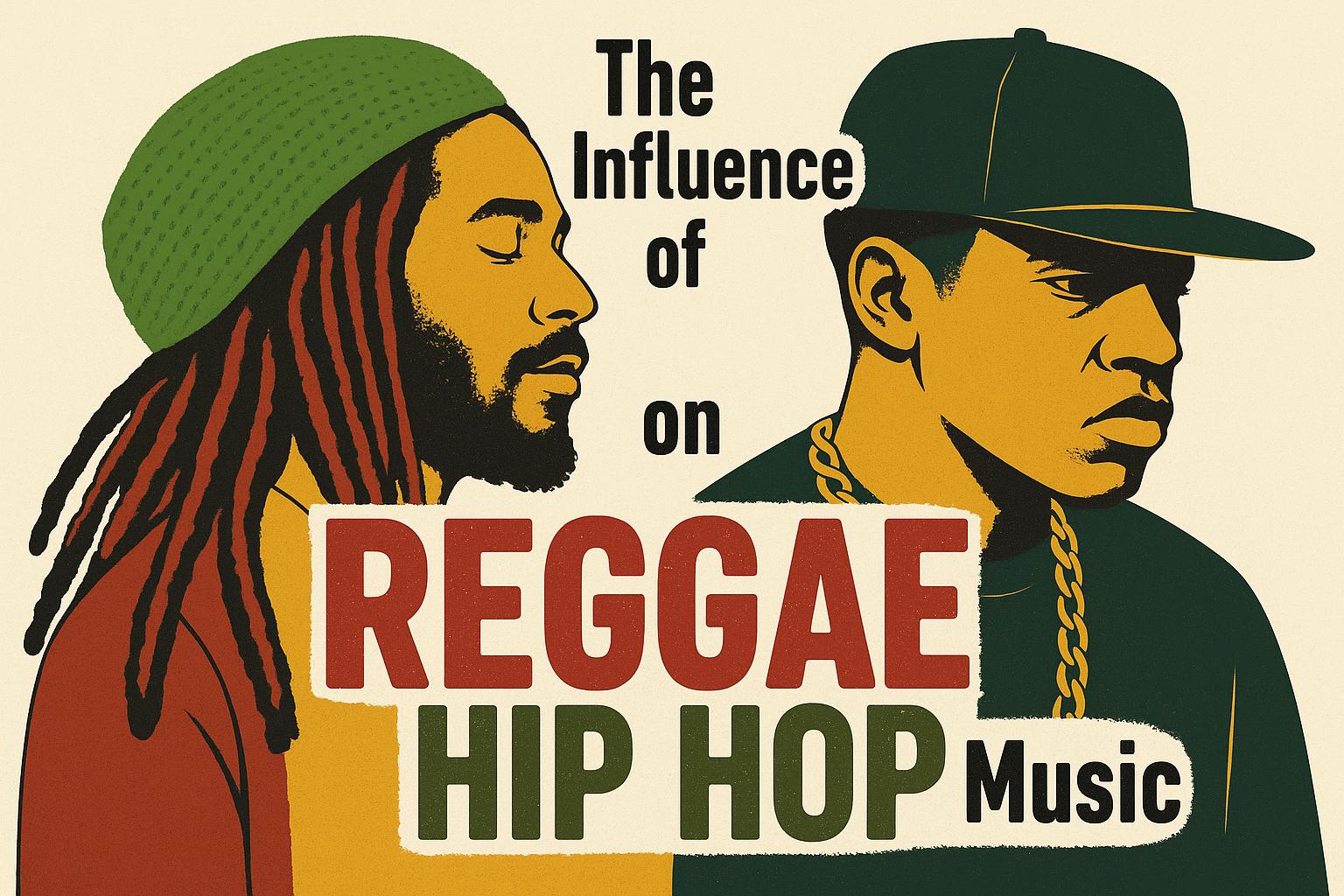
The Roots of Reggae and Hip Hop
The influence of reggae on hip hop music is profound and multifaceted. Reggae, which originated in Jamaica in the late 1960s, laid a foundation for many of the elements that are now integral to hip hop. While reggae itself is a fusion of earlier genres like ska and rocksteady, it has spawned numerous sub-genres and influenced a wide array of global music styles. Similarly, hip hop emerged in the late 1970s in the urban centers of the United States, notably the Bronx, drawing from a variety of influences, reggae being a significant one.
Sound System Culture
One of the most critical areas where reggae has influenced hip hop is through the sound system culture. Pioneers of hip hop, like DJ Kool Herc, who immigrated from Jamaica to New York, brought with them the Jamaican sound system tradition. These sound systems involved large, powerful speakers used to play music at outdoor gatherings or parties, often accompanied by a DJ and a deejay (a term used in Jamaica that refers to someone who talks or raps over the music).
Jamaican deejays would chant or toast over instrumental tracks, which is a technique that greatly influenced the development of rapping in hip hop. This verbal tradition and the competitive nature of sound clash events, where deejays would compete with each other, laid the groundwork for the lyrical battles that are now commonplace in hip hop culture.
Another essential characteristic of sound system culture is its emphasis on community. The sound system gatherings were not just about music; they were significant social events that brought together people from various backgrounds. In these forums, individuals could express themselves freely and engage with others, fostering a sense of belonging. Hip hop mirrored this aspect by providing urban youth with an outlet to voice their experiences and connect through music and dance, exemplifying how reggae’s community ethos permeated into hip hop culture.
Dub and Production Techniques
Reggae’s influence extends into hip hop’s production techniques through the innovation of dub music. Dub, an offshoot of reggae, emphasizes remixing original tracks by adding effects like reverb and altering the instrumentation to create a new version of a song. This approach to music production has become a standard in hip hop, where producers frequently sample, remix, and create entirely new compositions from existing material.
Sampling in hip hop can be directly traced back to these reggae practices. Many hip hop producers admired the loops and layering seen in dub tracks, implementing similar techniques in creating their beats. Producers like Dr. Dre or DJ Premier took cues from reggae’s experimental approach to crafting music, using samplers to dissect and reconstruct sounds, crafting a whole new auditory experience that redefined music production.
In dub reggae, the producer often became an artist in their own right, transforming recordings into complex sonic landscapes. This elevation of the producer’s role deeply influenced hip hop, where producers like J Dilla and Timbaland have become as celebrated as the artists they produce for. The innovation propelled by dub has encouraged creative production techniques that continue to evolve and shape the sound of modern hip hop.
Lyrical Influence and Social Commentary
The lyrical content of reggae, often focusing on social and political issues, resonates with the themes frequently explored in hip hop. Reggae artists like Bob Marley used their platform to address topics like oppression, poverty, and resistance, setting a precedent for hip hop artists who speak on similar societal matters.
The spirit of resistance and the focus on storytelling found in reggae is evident in the lyrical content of many hip hop songs, where artists communicate their thoughts on social injustices, personal struggles, and the quest for empowerment. The narrative style of reggae, often weaving personal experiences with broader social issues, has influenced hip hop artists to reflect on their lives and realities in a manner that is both personal and universal.
Moreover, reggae’s influence extends into hip hop’s use of language. The use of patois, a form of Jamaican Creole, has found its way into hip hop lyrics, illustrating the cultural interchange between the genres. Patois expressions and slang have become part of the lexicon of hip hop, reflecting not only reggae’s influence but also the broader interconnectedness of black diasporic cultures.
Cross-Genre Collaborations and Impact
Over the years, there have been numerous collaborations between reggae and hip hop artists, highlighting the synergistic relationship between the two genres. These collaborations have not only resulted in chart-topping hits but have also promoted cultural exchange and appreciation between the two musical styles.
Artists like Sean Paul, who has seamlessly blended reggae and hip hop elements, and collaborations like those between NAS and Damian Marley, exemplify the successful fusion of styles that transcend geographic and cultural boundaries. Such collaborations enrich the musical landscape, offering audiences fresh and diverse sounds.
For more information on the interconnectedness of these genres, you might explore platforms dedicated to music history and cultural studies. Numerous articles and documentaries delve into how reggae’s foundation has shaped the evolution of hip hop rhythms and styles. This dynamic fusion of reggae and hip hop continues to inspire artists and listeners alike, affirming music’s role as a catalyst for cultural dialogue and unity.