How Hip Hop Uses Storytelling to Teach History

How Hip Hop Uses Storytelling to Teach History

The Art of Storytelling in Hip Hop

Hip hop has long been celebrated not just as a musical genre but as a cultural movement. It is a platform where artists express personal and collective narratives, making storytelling an essential component. Through compelling narratives, hip hop artists shed light on historical events, social issues, and cultural movements, creating an audio tapestry that informs and educates.

Relating Personal Histories to Broader Narratives

In hip hop, many artists use their personal experiences to reflect on broader historical contexts. For instance, rappers often highlight the impact of systemic inequalities that resonate with the history of various marginalized communities. By sharing personal stories that are deeply intertwined with historical events, they create a bridge between individual experiences and collective memory. A rapper’s narrative might begin with a childhood story explaining their upbringing, followed by a discussion of how community violence impacted their life. This not only exposes listeners to one person’s story but also allows them to see connections to larger societal patterns.

The particular experience of growing up in economically disadvantaged neighborhoods is a common theme in hip hop’s storytelling tradition. Artists often detail struggles with poverty, lack of access to quality education, and violence, along with their attempts to overcome these challenges. This personalizes the historical narrative of urban poverty and serves to humanize statistics and abstract concepts. Listeners gain insight into the factors influencing these environments’ development and persistence over the decades.

Highlighting Historical Events

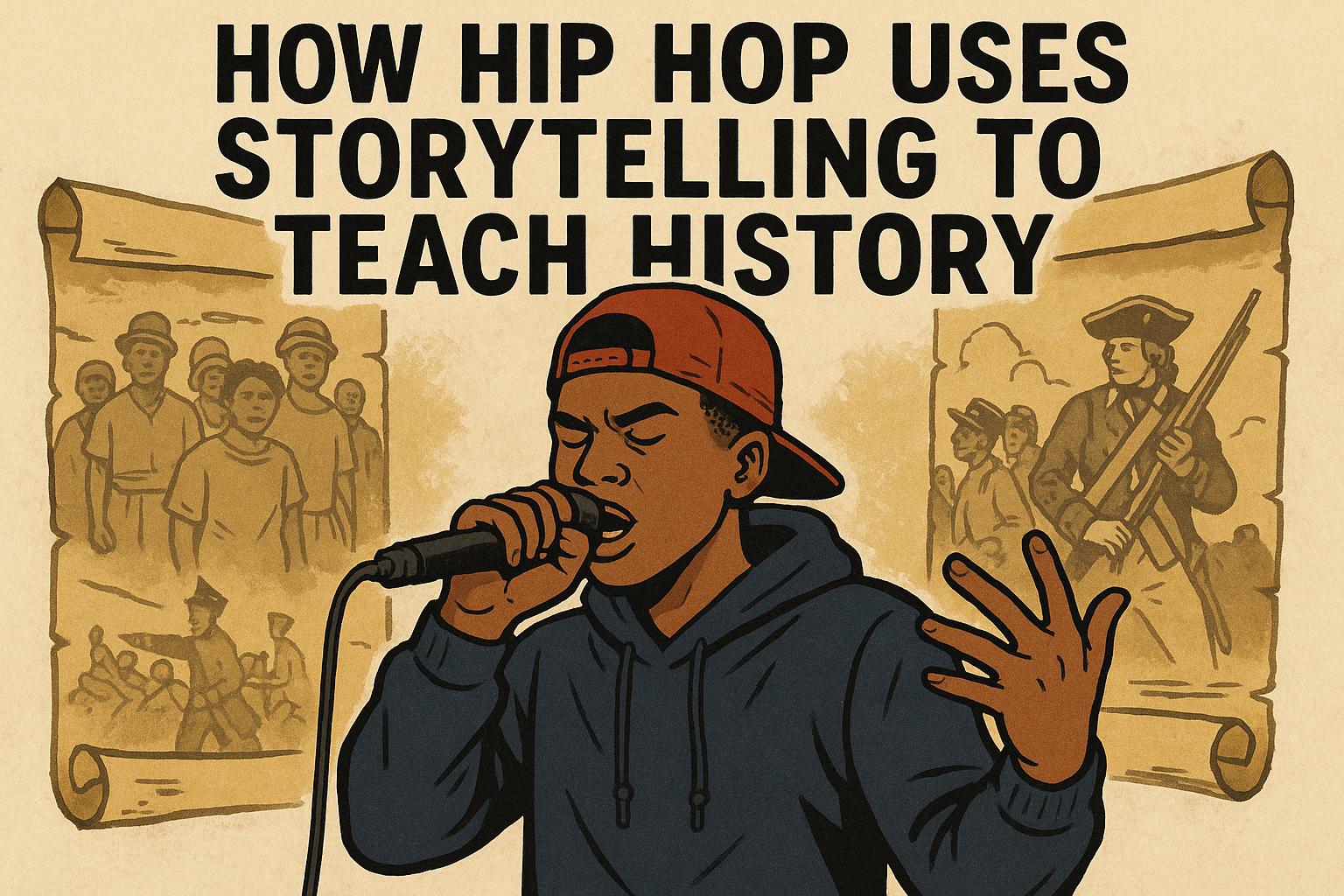
Hip hop is effective in presenting historical events through the lens of those who have lived them or who are directly connected to those who have. Tracks often delve into events like the civil rights movement, political struggles, and more recent events such as the 1992 Los Angeles riots. By doing so, artists offer audiences an unfiltered perspective on crucial episodes in history that may not always be fully covered in traditional educational settings. Through lyrics, hip hop artists can bring past events into the current dialogue, linking history and contemporary experiences.

Artists often act as modern-day griots, oral historians responsible for preserving memories and passed-down legends of the community. This tradition is especially important in cultures where formal archives are rare or incomplete. Hip hop thus becomes an enduring vessel for cultural history. Some tracks summarize entire epochs or pivotal moments in just a few minutes, capturing their essence and emotional gravity. This can serve as a primary introduction to unfamiliar historical events for some listeners, potentially inspiring a desire to learn more through other, more conventional sources.

The Role of Sampling

One of the distinct features of hip hop is its use of sampling, where artists incorporate fragments of existing music into new songs. This technique is not just a musical method but serves as a form of historical commentary. By sampling speeches, iconic tracks, or culturally significant soundbites, artists encapsulate moments in time, anchoring their stories in a recognizable reality that speaks volumes. Sampling allows newer generations to tap into older messages, providing context and continuity within the music itself.

Sampling acts as a multi-layered form of storytelling, where past and present collide and interact. It can be used to draw attention to the cyclical nature of social struggles or illustrate how past philosophies and beliefs resonate with today’s issues. This combination of old and new sounds creates a unique narrative effect, inviting listeners to consider how sampled content and the new lyrical material relate and enhance each other.

Connecting Generations

An important aspect of hip hop storytelling is its ability to connect older generations with the younger ones. As artists reference historical figures, events, or previous cultural movements, they create a dialogue that spans different age groups. This cross-generational conversation fosters a shared understanding and appreciation of history, encouraging critical thinking and discussions about the past and its influence on the present.

This generational bridge-building can be observed in collaborations between older artists and younger ones, where each may bring their unique stylistic and thematic contributions to a joint project. Together, they offer diverse perspectives on common themes and issues. The partnership produces not only fresh interpretations but also serves to remind audiences of hip hop’s evolving nature while maintaining its cultural heritage.

Hip Hop as an Educational Tool

The educational potential of hip hop narratives has been recognized by some educators who incorporate the genre into curricula to engage students in learning about history. By analyzing lyrics alongside traditional historical texts, students can gain a more rounded understanding of the events that have shaped the world they live in. This approach utilizes hip hop’s natural appeal to younger audiences to enhance their educational experience.

Hip hop entered classrooms initially through informal channels, mostly as supplementary content, but its educational efficacy is gaining recognition. Educators who embrace hip hop leverage its relatability and cultural relevance to maintain student interest and engagement. Furthermore, discussing the social and historical contexts present in hip hop songs allows for a nuanced exploration of perspectives that textbooks often lack.

The Future of Historical Storytelling in Hip Hop

As hip hop continues to evolve, its role as a storytelling medium remains significant. Artists are likely to continue weaving historical narratives into their music, offering unique insights into past events while addressing contemporary social issues. The potential for hip hop to educate and inform remains robust, making it a vital tool for both historical reflection and cultural commentary.

In conclusion, hip hop’s dynamic storytelling capabilities enrich cultural dialogue and historical understanding. By bridging generational divides, highlighting historical moments, and serving as an educational tool, it supports a broader and more inclusive narrative. As future generations of artists rise, they will continue to mold and shape hip hop’s narrative power, ensuring the preservation and evolution of stories that define and redefine community and identity.
The Role of Hip Hop in Protest Movements

The Role of Hip Hop in Protest Movements

The Influence of Hip Hop in Social and Political Movements

The emergence of hip hop as a cultural phenomenon in the late 20th century has had a profound impact on social and political movements globally. Originating in the Bronx, New York, during the 1970s, hip hop quickly evolved from an urban subculture into a worldwide genre of music known for its dynamic capacity to address various social issues. This article explores the role hip hop has played in protest movements and its effectiveness in advocating for change.

The Genesis of Hip Hop as a Voice for the Marginalized

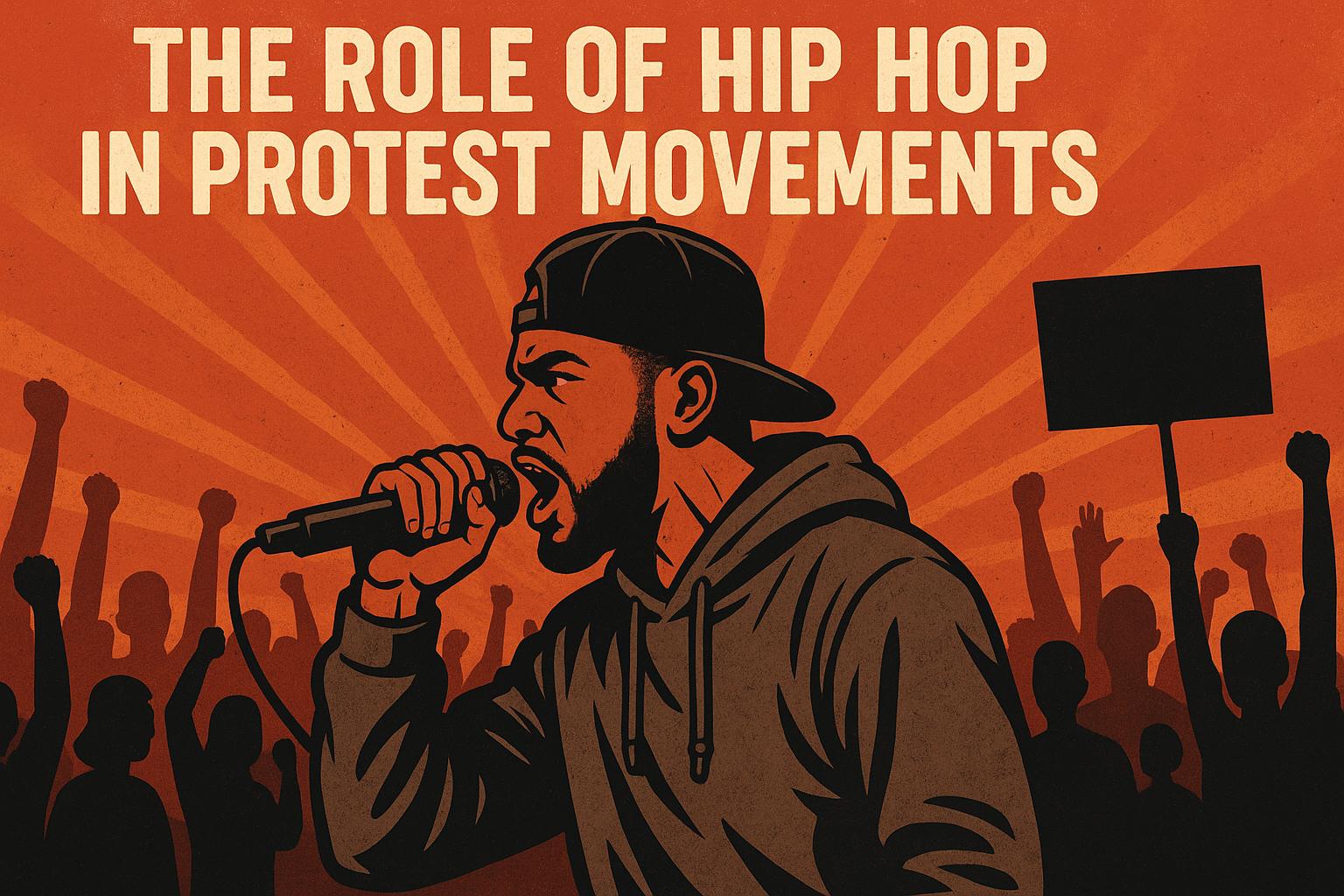
Hip hop was born from the streets, where it served as a platform for marginalized communities to express discontent and aspirations. The genre’s roots are deeply intertwined with the social conditions of African Americans and Latino neighborhoods, where systemic inequalities were prevalent. The raw and unfiltered lyrical content often highlighted issues like poverty, racial discrimination, and police brutality.

Artists such as Grandmaster Flash, with classic tracks like “The Message,” provided vivid narratives of inner-city challenges. These narratives resonated widely, turning hip hop into a tool for raising awareness and sparking dialogue about societal injustices. As hip hop gained popularity, it broadened its scope to address a myriad of global issues, reinforcing its role as a platform for bringing attention to the grievances of marginalized people worldwide.

Hip Hop in Modern Protest Movements

In recent decades, hip hop has maintained its role as a catalyst for social change. Its influence is apparent in movements such as Black Lives Matter, where artists have used their music and platforms to spotlight issues of racial inequality and police violence. Tracks like Kendrick Lamar’s “Alright” have become anthems, capturing the collective sentiment of resistance and hope within the movement.

Moreover, collaborations between artists and activists have strengthened the movement’s impact. By merging the power of music with activism, hip hop has helped to mobilize supporters, organize protests, and disseminate powerful messages globally. Music that was once a reflection of local struggles has become a universal language that transcends borders, drawing attention to international human rights issues and connecting movements for change.

International Reach and Impact

The impact of hip hop on protest movements is not confined to the United States. Internationally, hip hop has been instrumental in expressing dissent against oppressive regimes and social injustices. In countries like France, hip hop artists have addressed issues of immigration and identity. French rappers have used their music to articulate the struggles of disenfranchised immigrant communities, bringing visibility to their plight and fostering solidarity among listeners across Europe.

In regions such as North Africa and the Middle East, hip hop has been at the forefront of expressing political unrest and a desire for reform. During the Arab Spring, hip hop played a crucial role in encouraging youth activism. Rappers like El Général from Tunisia were pivotal in voicing the frustrations of the younger generation, contributing to the momentum of the protests that swept through the region. Their music highlighted corruption and social injustices, often at great personal risk, showcasing the courage and resilience of artists determined to effect change.

Criticism and Challenges

Despite its influence, hip hop’s role in protest movements is sometimes criticized. Critics argue that commercialism within the genre can dilute its effectiveness as a protest tool. As some artists prioritize mainstream appeal over political content, the genre faces the challenge of maintaining its authenticity as a voice for change. The commercial success of hip hop has led to a proliferation of content that celebrates luxury and fame, which can sometimes be at odds with the genre’s roots in social activism.

Additionally, the portrayal of violence and materialism in certain hip hop lyrics is often scrutinized, potentially overshadowing its positive contributions to social movements. Balancing commercial success with meaningful activism remains an ongoing challenge for the hip hop community. Artists advocating for change must navigate the demands of the music industry, striving to maintain their artistic integrity while reaching a broad audience.

Continuing Evolution

The relationship between hip hop and protest movements is dynamic and continually evolving. As societal issues change, so too does the focus of hip hop artistry and activism. Emerging artists continue to explore new themes and leverage digital platforms to reach wider audiences. Social media and streaming services have opened up new channels for artists to disseminate their messages, connecting with fans and activists around the world in real-time.

In conclusion, hip hop remains an influential element in protest movements, providing a powerful medium for marginalized voices. Its ability to unite, inform, and inspire ensures that it will continue to play a vital role in the ongoing struggle for social justice worldwide. As the genre evolves, it presents new opportunities for artists and activists to collaborate in innovative and impactful ways. The potential for hip hop to engage with new audiences and address emerging issues is vast, underscoring its lasting significance as both a cultural and political force.

To explore more about the intersection of hip hop and protest movements, consider visiting this article for further reading.

The Influence of West African Rhythms on Hip Hop

The Influence of West African Rhythms on Hip Hop

The Historical Context of West African Rhythms

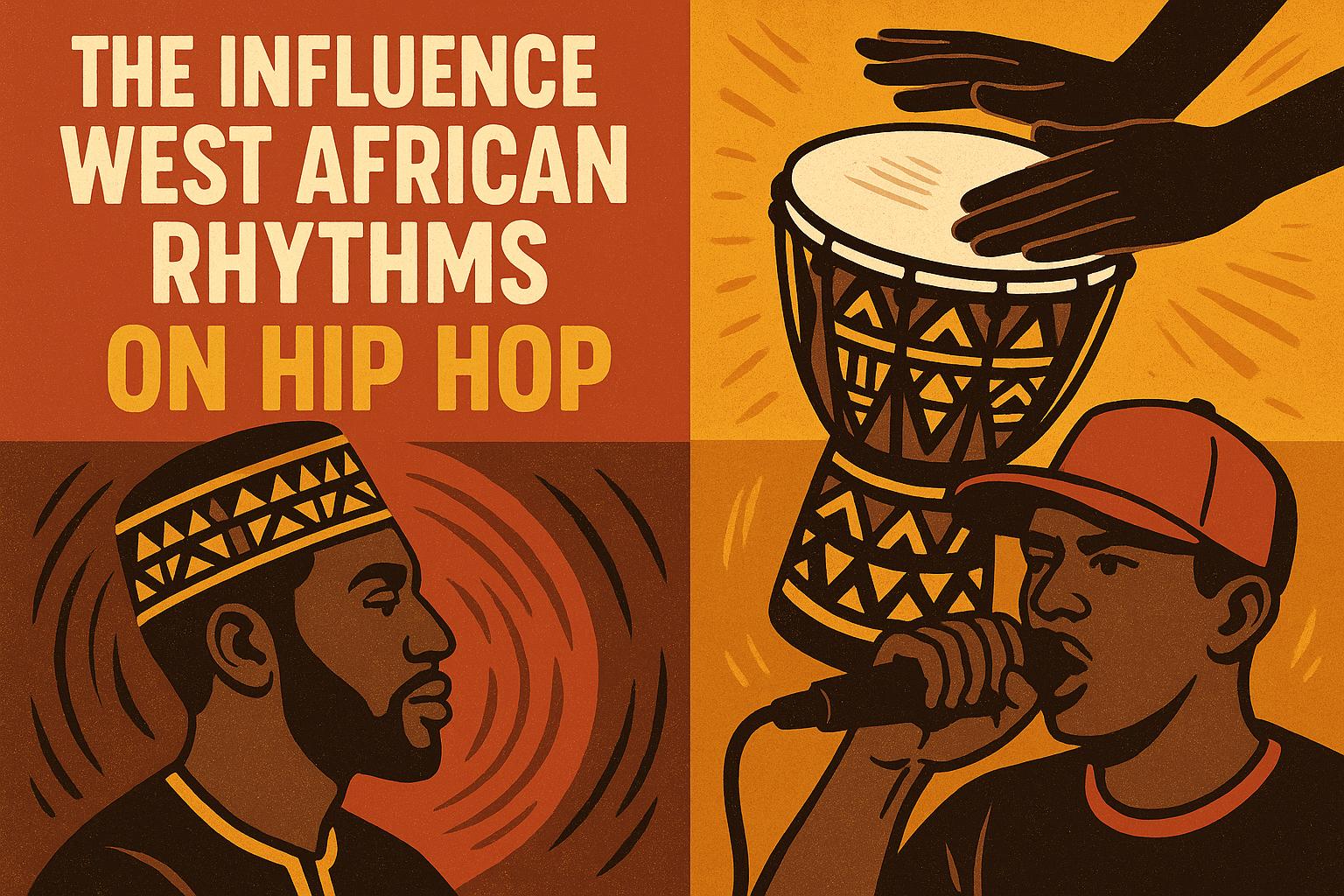
West African rhythms are a unique tapestry of sounds and patterns that trace their origins back to the rich cultural diversity of several countries within the region. Historically, these rhythms were woven into the fabric of society and played a pivotal role across various aspects of life. Known for their polyrhythmic structures, they were not merely forms of entertainment, but integral components of traditional ceremonies, storytelling, and other social activities. These rhythms were conveyed through various musical instruments, with the djembe and the talking drum being among the most prominent. These instruments served beyond their primary function of rhythm-making; they were vectors of communication, used to convey messages and invoke spiritual connections.

The significance of these instruments lies in their ability to produce a wide range of sounds. The djembe, for instance, is known for its versatility and agility in producing different tones. Artisans craft it from a single piece of wood, traditionally topped with animal skin to create a resonant sound. Similarly, the talking drum is lauded for its ability to mimic the tonal languages of West Africa. By squeezing the strings that hold the drum’s membrane, drummers can alter the pitch, effectively enabling the drum to ‘speak.’

The Transatlantic Connection

The transatlantic slave trade was a catastrophic chapter in human history that forcibly displaced millions of Africans, severing their physical ties to their homelands yet carrying with them the indelible essence of their rich cultural heritage. The rhythms and music that emerged from West Africa were integral as enslaved Africans arrived in the Americas. These individuals infused their inherent musicality into the new, developing cultural landscapes. This infusion galvanized the creation of numerous music genres, firmly embedding African rhythms into the cultural DNA of the Americas.

Enslaved Africans, through their resilience and adaptability, used music as a medium of survival and cultural preservation. The persistent beating of drums, clapping of hands, and rhythmic call-and-response singing became subtle acts of resistance and identity affirmation. It laid the foundation for the emergence and evolution of several music forms, including blues, jazz, funk, and later, hip hop—a genre that reflects these elements profoundly.

Polyrhythms in Hip Hop

The emergence of hip hop in the 1970s in the Bronx, New York, stands as a testament to the enduring influence of African rhythms on contemporary music. The genre, characterized by its rhythmic complexity, owes much to its African antecedents. One of the most profound influences is the use of polyrhythms, which involves playing two or more contrasting rhythms simultaneously. This technique underscores a clear and direct link to traditional West African music.

In hip hop, this rhythmic sophistication becomes evident in the work of producers who incorporate these intricate structures into their compositions. Such complexity provides a rich auditory landscape that is both engaging and evocative. By crafting beats marked by syncopation and percussive patterns—the hallmark of African rhythms—modern hip hop resonates with echoes of its deep-rooted past.

Sampling and African Rhythms

Sampling is a prominent hallmark in hip hop production, signifying a creative process in which fragments of existing musical recordings are reutilized to create fresh and innovative sounds. Many hip hop producers have delved into African music for inspiration, prominently sampling it to enrich their beats. This practice bridges a cultural and musical divide between continents, further enriching the genre.

Renowned artists like Fela Kuti, the Afrobeat pioneer, have seen their works sampled extensively. His music, characterized by extensive instrumental arrangements and intricate rhythms, embodies the quintessence of African musicality. Through sampling, producers not only pay homage to this musical heritage but also maintain a living connection to the foundational rhythms of African music. This practice extends beyond mere musical reproduction; it is an acknowledgment of African culture’s profound impact on global music narratives.

Contemporary Artists and African Influence

Presently, several contemporary hip hop artists continue to draw inspiration from West African rhythms. Artists such as Kendrick Lamar and Beyoncé have successfully integrated African musical elements into their work, signaling an ongoing exploration and evolution within the genre. Lamar’s complex arrangements often reveal underlying African beats, while Beyoncé’s visual and musical nods to African culture have become integral to her artistry, highlighting the enduring impact of these musical traditions.

This ongoing exploration not only highlights the continuous influence of African music but also ensures its evolution and adaptability to new forms and expressions. The infusion of African elements transforms hip hop into a dynamic, living art form that is continuously redefined by its historical roots and contemporary expressions.

In conclusion, the imprint of West African rhythms on hip hop is both profound and enduring. These rhythmic traditions transcend time and space, continuing to influence the genre in dynamic and meaningful ways. The interplay of polyrhythms, the innovative use of sampling, and modern reinterpretations guarantee that the legacy of West African culture remains a vibrant and integral part of hip hop music. The genre’s ability to continuously evolve while retaining its historical essence is a testament to music’s power as a unifying cultural force that bridges diverse histories and communities.

How Hip Hop DJs Revolutionized Turntablism

How Hip Hop DJs Revolutionized Turntablism

The Evolution of Hip Hop DJs and Turntablism

The development of hip hop is intricately linked to the rise of DJs and the unique practice of turntablism. This technique has transformed DJs from simple music players into innovative artists who manipulate tracks to create unique musical experiences. The importance of turntablism in hip hop cannot be understated; it has become a cornerstone of the genre, enriching its sound and driving its cultural impact forward.

The Beginnings of Turntablism

The late 1970s and early 1980s in the Bronx, New York, marked a significant turn in music history, giving birth to innovative DJ techniques. The essence of hip hop was being formed, particularly through the efforts of pioneering DJs such as Kool Herc, Grandmaster Flash, and Afrika Bambaataa. These individuals began experimenting with vinyl records in ways that others had not considered, laying the groundwork for what would come to be known as turntablism. Their groundbreaking use of equipment involved techniques that were more about creating a new experience with the music than just playing it.

Innovative Techniques

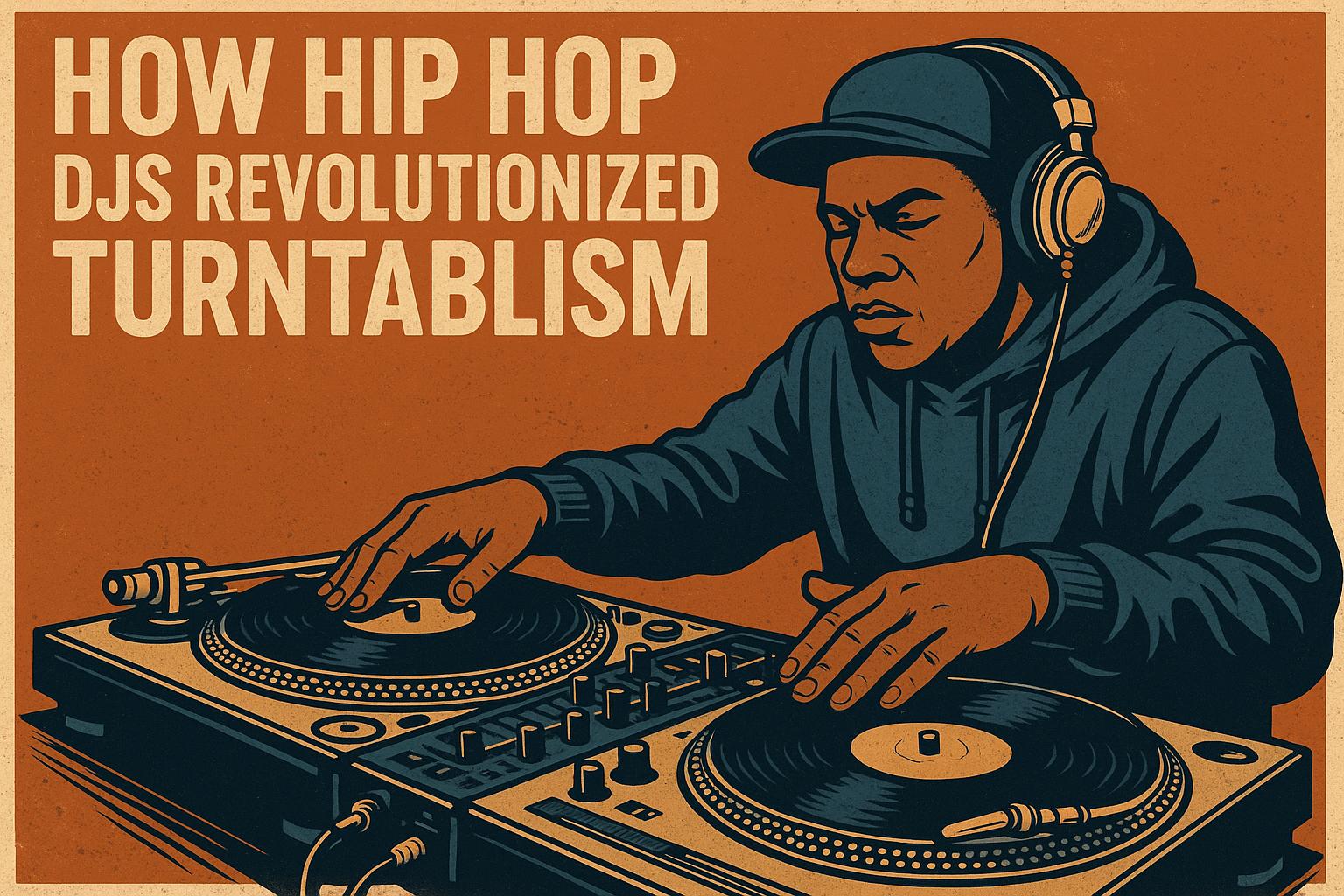
The introduction of multiple turntables revolutionized live performances, allowing DJs to produce seamless musical experiences by looping and mixing live. Techniques like *beat juggling* and *mixing* became standards, thrilling audiences and laying down infectious rhythms. The *backspin* technique, which allowed DJs to replay sections of songs, was a game-changer in engaging the dancers and keeping energy levels high. Grand Wizzard Theodore’s invention of *scratching* added an entirely new dimension to the music, creating rhythmic patterns and sounds that had never been part of recorded music before. These innovations elevated the status of DJs from record players to artists in their own right.

The Impact of Technology

Advancements in technology played a pivotal role in expanding the horizons for DJs. The transition from vinyl records to digital platforms brought about a seismic shift in the music industry. Equipment such as mixers with crossfaders allowed DJs to transition smoothly between different tracks, enhancing the listening experience and enabling new forms of musical expression. Software like Serato and Traktor further augmented these possibilities, allowing for even more creativity. These programs enabled DJs to manipulate tracks in real-time, providing tools to explore new sounds and create unique performances that could adapt to the mood of the audience.

Turntablism’s Influence on Hip Hop Culture

The art form of turntablism has extended its influence far beyond the music itself, leaving a lasting mark on hip hop culture and beyond. DJ battles emerged as a form of competitive performance, where DJs could showcase their skills and push the limits of their abilities. Competitions like the DMC World DJ Championships became pivotal platforms for talent recognition, allowing DJs to gain worldwide notoriety. These events not only highlighted individual talent but also drove the evolution of turntablism as DJs continually sought to outdo one another with new techniques and styles.

The impact of turntablism is not confined to music alone; it has influenced various elements of hip hop culture, including its visual and kinetic aspects. Fashion, dance, and street art have all echoed the themes and styles emanating from turntablism. Scratching and mixing sounds contribute heavily to the sonic identity of hip hop and serve as a dynamic and evolving art form within the genre.

Continuing Legacy

Today, turntablism continues to thrive with contemporary DJs like Qbert, DJ Shadow, and A-Trak innovating and exploring the frontiers of what can be achieved through the art form. These artists, among others, bear the torch of the original pioneers, ensuring that turntablism remains a vital and evolving component of hip hop. The dynamic nature of the art form means it continues to develop, adapting to technological advances and the changing musical landscape.

Despite the intrinsic relationship between technology and turntablism, the creative dexterity of DJs remains at its core. The ability to blend, loop, and scratch live continues to captivate audiences, leaving room for endless permutation and creativity. For those interested in delving deeper into the history and evolution of turntablism and hip hop, there are numerous resources, including books and documentaries, available that trace the rich tapestry of this vibrant culture. Through these explorations, one can gain a greater appreciation for the intricacy and innovation that define hip hop history and its ongoing evolution.