

The Evolution of Hip Hop Award Categories

The Evolution of Hip Hop Award Categories

The Beginnings of Hip Hop Awards

Hip hop, emerging from the cultural tapestry of the 1970s, began as a localized movement in the streets of New York. However, by the late 20th century, it had evolved into a significant force within the global music industry. Despite its success and widespread appeal, the traditional music award circuits were initially slow to accommodate hip hop within their frameworks. Award ceremonies predominantly recognized genres such as rock, pop, and R&B, whilst neglecting the distinctive flavor of hip hop.

In the early stages, hip hop artists found themselves shoehorned into broad categories that failed to acknowledge the genre’s unique attributes. Labels like “Best Urban Performance” or “Best R&B” were commonplace. Despite being a vivid cultural expression, hip hop’s initial lack of representation in awards mirrored broader societal undervaluation of the genre. It was clear that hip hop required its own space, nuanced and expansive enough to appreciate its vast and varied soundscape.

Establishment of Dedicated Categories

As hip hop’s influence and popularity continued to burgeon, there emerged a growing call for award shows to create specific categories tailored toward its unique cultural and musical innovations. In response, the Grammy Awards took a significant step forward in 1989. This year marked the introduction of the “Best Rap Performance” category, a watershed moment for hip hop. This category acknowledged not just a song’s lyrical prowess but the overall cultural impact and artistic creativity inherent within it. The award was first bestowed upon DJ Jazzy Jeff & The Fresh Prince for their track “Parents Just Don’t Understand.” This moment signified the formal recognition of hip hop by mainstream institutions, legitimizing its place within the broader musical landscape.

Evolution into Diverse Categories

With time, as hip hop continued to influence and shape cultural dialogues worldwide, award categories began to evolve to mirror its diversity. The Grammy Awards, a barometer for the music industry, adapted by introducing several new categories that reflected hip hop’s expanding horizons and themes. Beyond the initial performance recognition, categories such as “Best Rap Album” and “Best Rap Song” emerged in the 1990s. These developments were instrumental in celebrating not just lyrical talent but also the innovative sound production and artistic merit at the heart of hip hop.

The establishment of these multifaceted categories underscored the genre’s versatility and its artists’ capabilities in pushing musical boundaries. The diversity of the award categories themselves attests to hip hop’s vast potential for storytelling, cultural commentary, and genre-blending. Through these categories, the industry recognized the genre’s depth, particularly its ability to articulate the experiences and narratives of diverse communities.

Inclusion in Other Major Awards

Beyond the Grammy Awards, the recognition of hip hop’s significance extended to other major musical awarding bodies. The MTV Video Music Awards (VMAs), known for its up-to-date reflection of popular culture, played an important role in this acknowledgment. By introducing a category such as “Best Hip-Hop Video,” the VMAs richened the discourse surrounding visual artistry in hip hop. This category celebrated not just the music but the cohesive visual narratives that accompany it, recognizing the genre’s power to convey stories through dynamic video presentations.

Similarly, awards such as the American Music Awards (AMAs) and the Billboard Music Awards broadened their scopes by developing categories that specifically catered to hip hop. These awards not only recognized commercial success but also heralded hip hop’s cultural impact, illustrating the genre’s profitability and influence. Through these categories, hip hop artists received acknowledgment for albums, singles, and performances, thereby stimulating the genre’s growth trajectory and cementing its place on the global stage.

Conclusion

The evolution of hip hop award categories is more than a chronological timeline; it is a testament to hip hop’s transformative journey from a marginalized genre to a defining pillar in the modern music industry. Initially on the periphery of society, hip hop now occupies a central position, not just musically but culturally.

With the rise of dedicated categories centering hip hop, increasing numbers of artists now garner recognition for their unique contributions. This acknowledgment not only bolsters individual careers but also helps solidify the enduring legacy of hip hop. It emphasizes the dynamic nature of the genre, celebrated for its ability to influence and shape cultural currents on a global level.

The expansion of hip hop awards serves as a reminder of the genre’s unrelenting innovation and its unfailing capacity to give voice to underrepresented stories. As new categories continue to evolve, they probe deeper into the artistic richness of hip hop, advocating for inclusive recognition and appreciation of its multifaceted artistry. This evolution symbolizes not just acceptance within the mainstream but a celebration of hip hop’s unyielding power to resonate and redefine.
The Rise of Lyrical Rap in the Streaming Era

The Rise of Lyrical Rap in the Streaming Era

The Evolution of Lyrical Rap in the Streaming Era

The streaming era has drastically transformed the music industry, offering new opportunities for artists to distribute their music on a global scale. Within this changing landscape, one significant trend is the resurgence and prominence of lyrical rap. This subgenre of hip-hop emphasizes complex wordplay, insightful storytelling, and a deep focus on the art of lyricism. This transformation not only reflects changing consumer behavior but also underscores shifts in how music is consumed and appreciated in the modern era.

The Impact of Streaming Platforms

Streaming platforms like Spotify, Apple Music, and Tidal have immensely expanded the access and availability of music. These platforms have removed traditional barriers, enabling lyrical rappers to reach a much wider audience, regardless of geographical boundaries. Traditional radio platforms typically leaned towards mainstream, chart-topping hits, often sidelining more niche or sub-genre artists. However, streaming platforms offer a more inclusive space that respects and highlights diversity in musical tastes and preferences.

Algorithm-Driven Discovery

The music discovery process on streaming platforms is intricately tied to algorithm-driven recommendations. These algorithms analyze a user’s listening habits and preferences, curating personalized music suggestions that often include lesser-known lyrical rap gems. Curated playlists, both official and user-generated, are another vital tool in promoting lyrical rap, helping listeners discover emerging artists who might otherwise go unnoticed. This personalized experience allows fans to delve deeper into the lyrical rap genre, uncovering tracks and artists that resonate with their personal tastes.

The Role of Social Media

Social media platforms, notably YouTube and Instagram, have become instrumental in the rise of lyrical rap. These platforms allow artists to connect directly with their audience, fostering a sense of interaction and engagement that is unparalleled in the history of music distribution. Artists can now share behind-the-scenes content, engage with fans through live sessions, and directly receive and respond to feedback. This direction allows them to cultivate a dedicated fanbase that is eager to support their work through streaming and sharing.

Profile of Lyrical Rappers

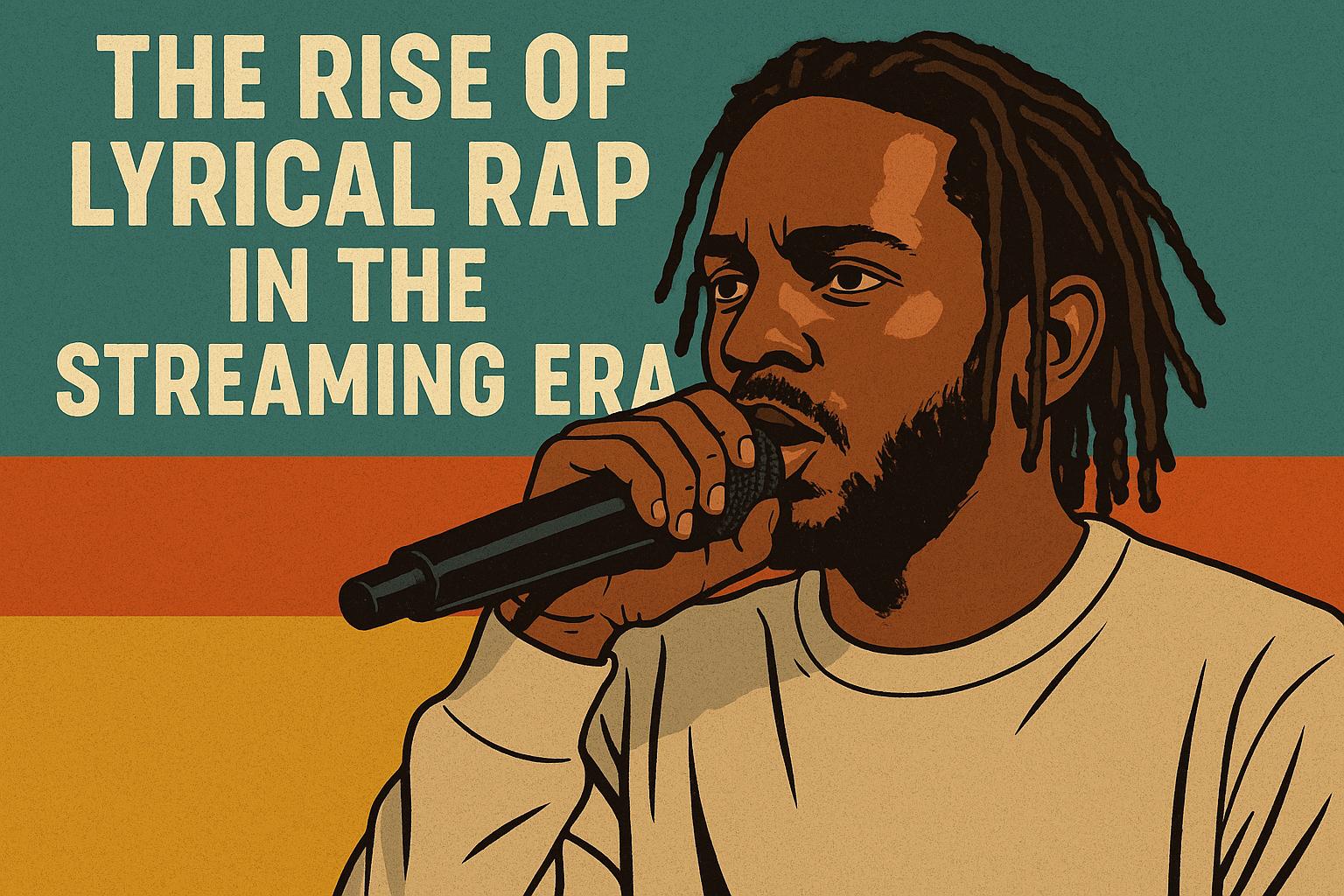
Lyrical rappers distinguish themselves with their introspective lyrics and a strong emphasis on rhythmic and poetic devices. They navigate complex themes with finesse and creativity. Artists like Kendrick Lamar, J. Cole, and Joey Bada$$ are celebrated for their adept ability to fuse intricate rhyme schemes with narratives that delve into societal issues and personal introspections.

Kendrick Lamar

Kendrick Lamar is celebrated for his thought-provoking storytelling and vivid imagery. His music often explores significant themes such as social justice, racial inequalities, and personal struggles. Through his compelling lyrical content, Lamar engages a broad audience, drawing attention to pressing societal challenges while maintaining artistic integrity and depth.

J. Cole

J. Cole is known for his alert focus on narratives about life experiences and personal development. His ability to blend commercial appeal with profound lyricism sets him apart in the hip-hop genre. J. Cole’s work frequently explores themes of self-awareness, growth, and societal dynamics, resonating with listeners who appreciate music that offers both entertainment and reflection.

The Future of Lyrical Rap

The future of lyrical rap looks promising, particularly as streaming platforms continue to dominate the music landscape. The ease of access and global outreach made possible by these platforms will likely encourage more artists to delve into and refine their lyrical prowess. As these platforms evolve, they will continue to support innovative artists who challenge the boundaries of traditional lyricism.

In conclusion, the streaming era has played a crucial role in the resurgence and expansion of lyrical rap. By providing artists with tools for global reach and offering listeners a wide array of musical choices, streaming platforms have encouraged the genre’s growth and development. As more music enthusiasts seek out pieces of music imbued with substance and depth, lyrical rap stands poised for sustained growth and innovation, compelling artists and listeners alike to explore its rich and varied landscape.

The Most Iconic Hip Hop Album Intros

The Most Iconic Hip Hop Album Intros

The Role of Album Intros in Hip Hop

In the multifaceted world of hip hop, album intros hold an undeniably significant role. The opening track of any album serves as a musical threshold, leading listeners into the sonic and thematic universe that the artist has crafted. These initial tracks are more than mere beginnings—they are immersive glimpses into the artist’s vision, offering a prelude to the messages and themes that will resonate throughout the album. Album intros may differ in form, ranging from purely musical pieces to spoken-word segments, or a blend of both. The most memorable intros are capable of embedding themselves in the cultural consciousness, often being recognized as pivotal moments that have shaped hip hop history.

Examples of Iconic Hip Hop Album Intros

Nas – Illmatic: The opening track of Nas’s groundbreaking album Illmatic is famously known as “The Genesis.” This intro is not just an arbitrary starting point; it is an essential component that sets the groundwork for what is widely acknowledged as one of the greatest hip hop albums of all time. “The Genesis” features a confluence of samples from the classic movie Wild Style interwoven with candid dialogues, painting a vivid picture of the gritty realities and the environment that shaped Nas’s upbringing. These elements collectively provide listeners with an authentic entrance into the urban narrative that Nas eloquently explores through the album.

The Notorious B.I.G. – Ready to Die: In The Notorious B.I.G.’s seminal album Ready to Die, the introduction serves as a metaphorical life sketch narrated through auditory cues. The intro is an intricate montage, beginning with the sounds of Biggie’s birth and progressively transitioning into scenes of chaos, struggle, and adversity. This introductory track seamlessly ushers listeners into the subsequent narrative of ambition and mortality that permeates the album, effectively framing Biggie’s life story in music form.

Kanye West – The College Dropout: Kanye West’s debut album The College Dropout opens with a humorous spoken word piece simply titled “Intro.” This track intricately sets the stage for the album’s overarching themes such as education and societal norms. Kanye uses humor and candid monologue to introduce listeners to these concepts, establishing a conversational tone that persists throughout the album and invites reflection on societal expectations and personal identity.

Elements That Define Iconic Intros

A variety of elements come together to create what can be described as an iconic hip hop album intro. Understanding these elements offers insight into why specific intros resonate with listeners so profoundly.

Thematic Consistency: A key aspect of a memorable intro is its alignment with the core themes of the album. For instance, in Nas’s “The Genesis,” thematic consistency is evident as listeners are immediately immersed into the urban narrative and reflective storytelling that are hallmarks of Illmatic. The opening sets expectations for the themes that are picked up and elaborated upon throughout the album.

Atmospheric Soundscapes: Many successful intros incorporate atmospheric soundscapes and sound effects to evoke particular emotions or portray specific settings. This technique helps in creating an auditory aesthetic that envelops the listener from the outset. For example, the sound layering in The Notorious B.I.G.’s Ready to Die intro places listeners in a dynamic auditory journey, making them participants in the unfolding narrative of struggle and survival.

Narrative Setup: Certain intros act as preludes that intricately lay out the artist’s personal story or delineate the album’s broader narrative structure. This method serves to establish a profound connection between the listener and the artist’s message, inviting the listener on an exploratory journey through the artist’s experiences and perspectives.

Impact on Listeners and Culture

Iconic album intros extend beyond their function as mere tracks; they frequently become cultural milestones. These intros are often sampled, quoted, and referenced in various forms of media, further solidifying their status and impact within both hip hop and popular culture more broadly. For many listeners, an impactful intro is remembered not just as part of an album but as a standalone work that resonates emotionally and culturally across time. This phenomenon illustrates how influential intros can be, extending their reach and influence beyond their initial release.

For those intrigued by the role intros play in shaping hip hop music and culture, various scholarly articles and research papers provide a treasure trove of insights into the progression of hip hop intros. These resources delve into the finer nuances of the genre’s evolution, unpacking the intricate artistic and cultural impacts of intros over the decades. As hip hop continues to evolve, the presence and influence of these introductory tracks remain a testament to the genre’s dynamic relationship with its past, its present, and its future.