

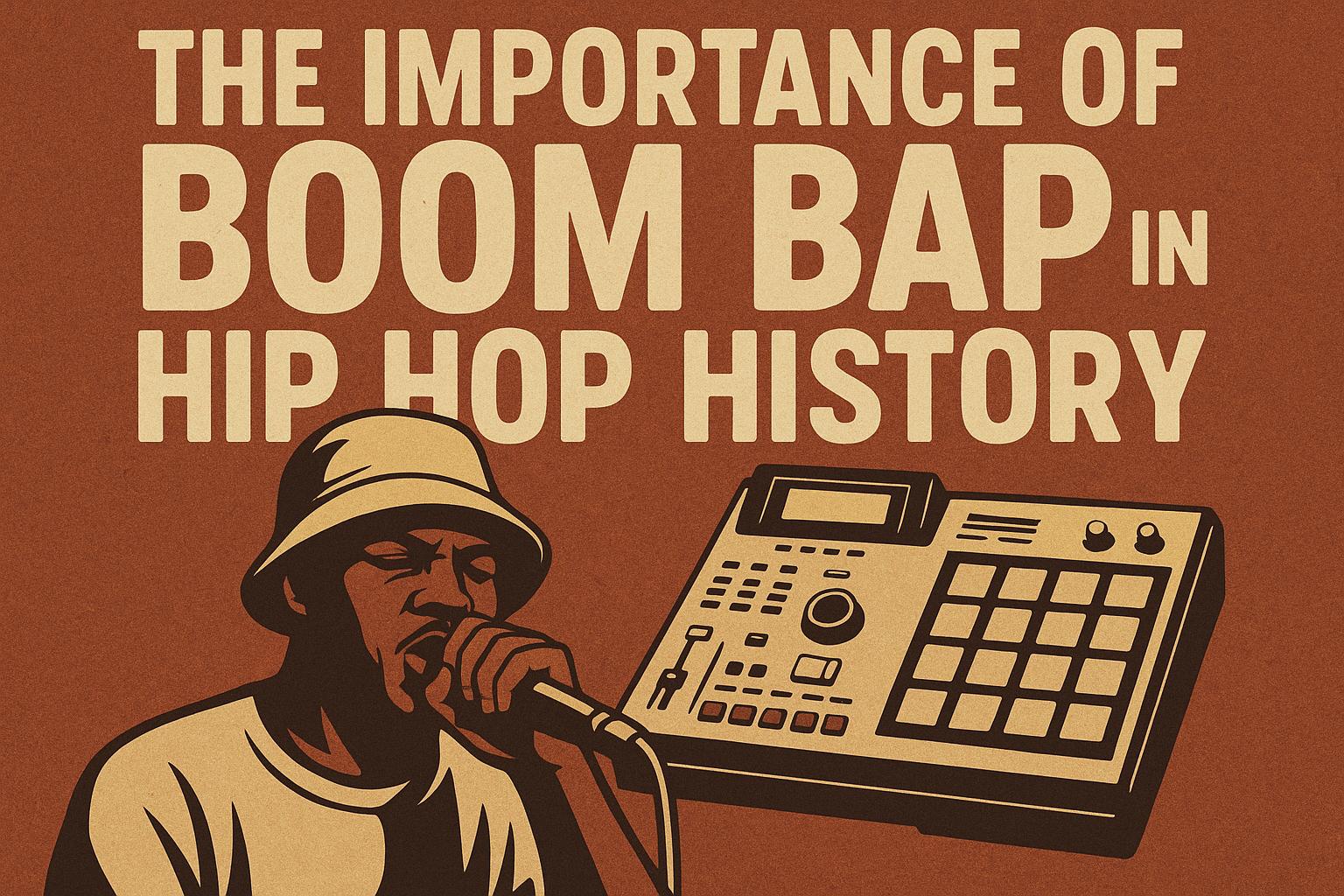
The Role of Boom Bap in Shaping Hip Hop
The subgenre of hip hop known as Boom Bap has played a pivotal role in the evolution of the genre. Originating in the 1980s and reaching its peak in the 1990s, Boom Bap is recognized for its distinctive beat pattern characterized by a hard bass drum on the downbeats and snare drums on the upbeats. This style is named after the onomatopoeic representation of these drum sounds, which emulate the more aggressive and straightforward rhythm patterns that were a hallmark of hip hop’s early years.
Historical Context of Boom Bap
Emerging from the urban landscapes of New York City, Boom Bap was instrumental in bringing forth the voices and experiences of marginalized communities. Artists such as Nas, Wu-Tang Clan, and A Tribe Called Quest utilized the Boom Bap style to reflect their realities and cultural narratives. As these artists gained popularity, the Boom Bap sound became synonymous with what many consider the golden age of hip hop. Many of these tracks laid the foundation for hip hop to be recognized as a force for socio-political commentary.
This was a period marked by significant socio-economic challenges in many urban areas, and the music provided an outlet to highlight these issues. It was a voice for those often unheard, acting as a bridge between different communities by bringing issues into mainstream consciousness.
Characteristics of Boom Bap
The core elements of Boom Bap revolve around its sampling techniques and rhythm. Producers often employed the use of samples from jazz, funk, and soul records, creating a melodic backdrop that accompanied the punchy drum patterns. This sampling technique was not merely about reusing old sounds but about creatively repurposing them to construct something novel and meaningful. Notable producers such as DJ Premier and Pete Rock were masters in this technique, shaping the soundscape of the era.
The drum machines used, primarily the SP-1200 and MPC series, were instrumental in defining the crisp, clear, and driving beats that characterized Boom Bap. This allowed for a production style that was both simple and sophisticated, with an emphasis on rhythm and groove. Lyrically, the Boom Bap style encouraged MCs to engage in storytelling, crafting intricate verses that explored themes ranging from personal introspection to broader social issues.
Impact on Hip Hop and Popular Culture
Boom Bap’s influence extends beyond music, impacting fashion, language, and lifestyle. It played a significant role in setting trends within hip hop culture during its heyday. The simplicity and rawness of Boom Bap encouraged lyrical complexity, prompting MCs to focus on storytelling and intricate wordplay. This not only elevated the artistic expression within hip hop but also helped it gain recognition as an authentic cultural movement with depth and substance.
Fashion was another domain where Boom Bap left a mark. The era was characterized by expressive and bold clothing, reflecting the street origins of the music. Iconic styles often included baggy jeans, branded sneakers, and oversized jackets, a style statement that has seen a resurgence in recent years.
The cultural lexicon was equally enriched as Boom Bap music popularized slang and vernacular expressions that remain relevant. The storytelling nature of the lyrics led to an exchange of experiences, fostering a shared cultural identity that resonated widely with audiences.
Legacy and Revival
Although the dominance of Boom Bap dwindled with the rise of other styles such as trap and drill, its legacy endures. Many contemporary artists and producers still draw inspiration from Boom Bap, perpetuating its principles in modern works. The commitment to lyrical depth and classic production values remains a benchmark for many in the hip hop community.
Contemporary artists, such as Joey Bada$$ and J. Cole, have incorporated elements of Boom Bap into their music, signaling its lasting influence. Producers continue to use the sampling techniques perfected during the Boom Bap era, blending them with new sounds to create innovative music that respects the past while embracing the future.
For those interested in further exploring Boom Bap and its influence in hip hop, delving into classic albums from the era provides a deeper understanding. Albums like Nas’s “Illmatic,” Wu-Tang Clan’s “Enter the Wu-Tang (36 Chambers),” and A Tribe Called Quest’s “The Low End Theory” are quintessential records that capture the essence of Boom Bap. Additionally, resources such as Noisey and Pitchfork offer insightful articles on its persistence and resurgence in today’s music scene.
As a testament to its impact, Boom Bap remains a focal point for studies centered around the socio-cultural influence of hip hop. Its ability to merge art with activism illustrates its importance beyond entertainment, emphasizing its role as a conduit for community expression and identity.
Boom Bap underscored the power of hip hop as a platform for expression and continues to be a testament to the genre’s rich and diverse history. The lessons and techniques from its period remain integral to understanding the broader landscape of hip hop music and culture, and its influence continues to ripple through the genre and beyond.