

The Historical Context of West African Rhythms
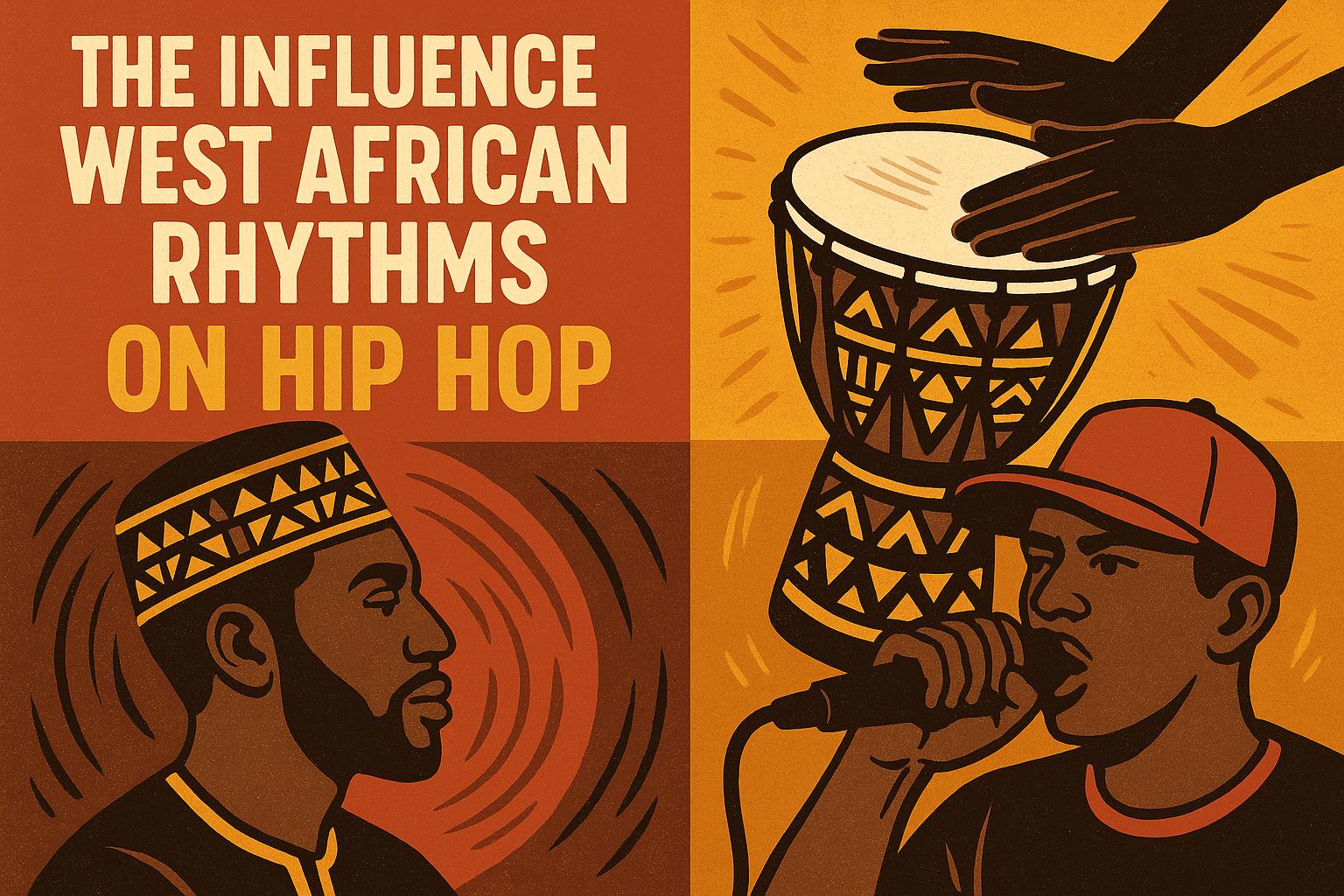
West African rhythms are a unique tapestry of sounds and patterns that trace their origins back to the rich cultural diversity of several countries within the region. Historically, these rhythms were woven into the fabric of society and played a pivotal role across various aspects of life. Known for their polyrhythmic structures, they were not merely forms of entertainment, but integral components of traditional ceremonies, storytelling, and other social activities. These rhythms were conveyed through various musical instruments, with the djembe and the talking drum being among the most prominent. These instruments served beyond their primary function of rhythm-making; they were vectors of communication, used to convey messages and invoke spiritual connections.
The significance of these instruments lies in their ability to produce a wide range of sounds. The djembe, for instance, is known for its versatility and agility in producing different tones. Artisans craft it from a single piece of wood, traditionally topped with animal skin to create a resonant sound. Similarly, the talking drum is lauded for its ability to mimic the tonal languages of West Africa. By squeezing the strings that hold the drum’s membrane, drummers can alter the pitch, effectively enabling the drum to ‘speak.’
The Transatlantic Connection
The transatlantic slave trade was a catastrophic chapter in human history that forcibly displaced millions of Africans, severing their physical ties to their homelands yet carrying with them the indelible essence of their rich cultural heritage. The rhythms and music that emerged from West Africa were integral as enslaved Africans arrived in the Americas. These individuals infused their inherent musicality into the new, developing cultural landscapes. This infusion galvanized the creation of numerous music genres, firmly embedding African rhythms into the cultural DNA of the Americas.
Enslaved Africans, through their resilience and adaptability, used music as a medium of survival and cultural preservation. The persistent beating of drums, clapping of hands, and rhythmic call-and-response singing became subtle acts of resistance and identity affirmation. It laid the foundation for the emergence and evolution of several music forms, including blues, jazz, funk, and later, hip hop—a genre that reflects these elements profoundly.
Polyrhythms in Hip Hop
The emergence of hip hop in the 1970s in the Bronx, New York, stands as a testament to the enduring influence of African rhythms on contemporary music. The genre, characterized by its rhythmic complexity, owes much to its African antecedents. One of the most profound influences is the use of polyrhythms, which involves playing two or more contrasting rhythms simultaneously. This technique underscores a clear and direct link to traditional West African music.
In hip hop, this rhythmic sophistication becomes evident in the work of producers who incorporate these intricate structures into their compositions. Such complexity provides a rich auditory landscape that is both engaging and evocative. By crafting beats marked by syncopation and percussive patterns—the hallmark of African rhythms—modern hip hop resonates with echoes of its deep-rooted past.
Sampling and African Rhythms
Sampling is a prominent hallmark in hip hop production, signifying a creative process in which fragments of existing musical recordings are reutilized to create fresh and innovative sounds. Many hip hop producers have delved into African music for inspiration, prominently sampling it to enrich their beats. This practice bridges a cultural and musical divide between continents, further enriching the genre.
Renowned artists like Fela Kuti, the Afrobeat pioneer, have seen their works sampled extensively. His music, characterized by extensive instrumental arrangements and intricate rhythms, embodies the quintessence of African musicality. Through sampling, producers not only pay homage to this musical heritage but also maintain a living connection to the foundational rhythms of African music. This practice extends beyond mere musical reproduction; it is an acknowledgment of African culture’s profound impact on global music narratives.
Contemporary Artists and African Influence
Presently, several contemporary hip hop artists continue to draw inspiration from West African rhythms. Artists such as Kendrick Lamar and Beyoncé have successfully integrated African musical elements into their work, signaling an ongoing exploration and evolution within the genre. Lamar’s complex arrangements often reveal underlying African beats, while Beyoncé’s visual and musical nods to African culture have become integral to her artistry, highlighting the enduring impact of these musical traditions.
This ongoing exploration not only highlights the continuous influence of African music but also ensures its evolution and adaptability to new forms and expressions. The infusion of African elements transforms hip hop into a dynamic, living art form that is continuously redefined by its historical roots and contemporary expressions.
In conclusion, the imprint of West African rhythms on hip hop is both profound and enduring. These rhythmic traditions transcend time and space, continuing to influence the genre in dynamic and meaningful ways. The interplay of polyrhythms, the innovative use of sampling, and modern reinterpretations guarantee that the legacy of West African culture remains a vibrant and integral part of hip hop music. The genre’s ability to continuously evolve while retaining its historical essence is a testament to music’s power as a unifying cultural force that bridges diverse histories and communities.