

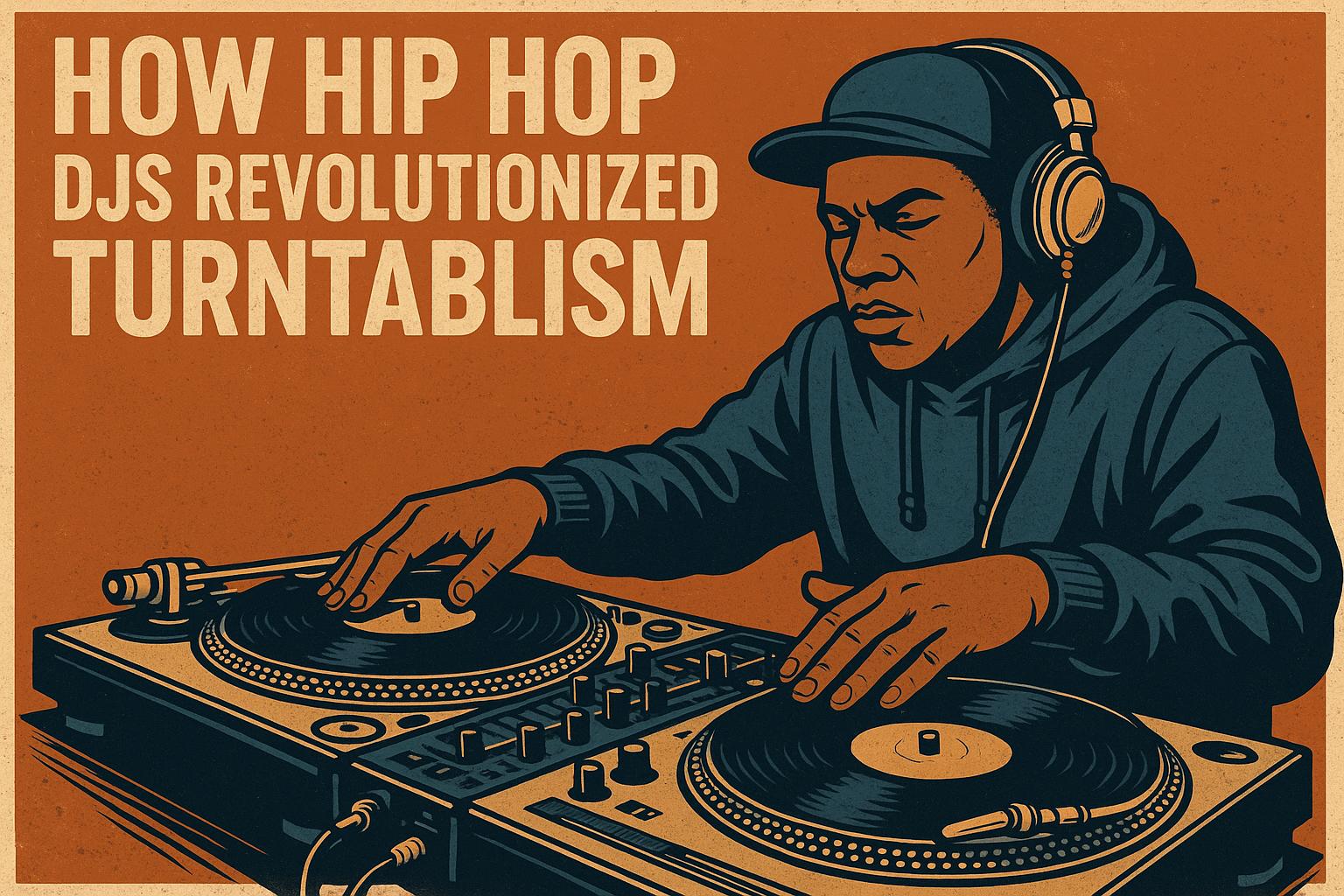
The Evolution of Hip Hop DJs and Turntablism
The development of hip hop is intricately linked to the rise of DJs and the unique practice of turntablism. This technique has transformed DJs from simple music players into innovative artists who manipulate tracks to create unique musical experiences. The importance of turntablism in hip hop cannot be understated; it has become a cornerstone of the genre, enriching its sound and driving its cultural impact forward.
The Beginnings of Turntablism
The late 1970s and early 1980s in the Bronx, New York, marked a significant turn in music history, giving birth to innovative DJ techniques. The essence of hip hop was being formed, particularly through the efforts of pioneering DJs such as Kool Herc, Grandmaster Flash, and Afrika Bambaataa. These individuals began experimenting with vinyl records in ways that others had not considered, laying the groundwork for what would come to be known as turntablism. Their groundbreaking use of equipment involved techniques that were more about creating a new experience with the music than just playing it.
Innovative Techniques
The introduction of multiple turntables revolutionized live performances, allowing DJs to produce seamless musical experiences by looping and mixing live. Techniques like *beat juggling* and *mixing* became standards, thrilling audiences and laying down infectious rhythms. The *backspin* technique, which allowed DJs to replay sections of songs, was a game-changer in engaging the dancers and keeping energy levels high. Grand Wizzard Theodore’s invention of *scratching* added an entirely new dimension to the music, creating rhythmic patterns and sounds that had never been part of recorded music before. These innovations elevated the status of DJs from record players to artists in their own right.
The Impact of Technology
Advancements in technology played a pivotal role in expanding the horizons for DJs. The transition from vinyl records to digital platforms brought about a seismic shift in the music industry. Equipment such as mixers with crossfaders allowed DJs to transition smoothly between different tracks, enhancing the listening experience and enabling new forms of musical expression. Software like Serato and Traktor further augmented these possibilities, allowing for even more creativity. These programs enabled DJs to manipulate tracks in real-time, providing tools to explore new sounds and create unique performances that could adapt to the mood of the audience.
Turntablism’s Influence on Hip Hop Culture
The art form of turntablism has extended its influence far beyond the music itself, leaving a lasting mark on hip hop culture and beyond. DJ battles emerged as a form of competitive performance, where DJs could showcase their skills and push the limits of their abilities. Competitions like the DMC World DJ Championships became pivotal platforms for talent recognition, allowing DJs to gain worldwide notoriety. These events not only highlighted individual talent but also drove the evolution of turntablism as DJs continually sought to outdo one another with new techniques and styles.
The impact of turntablism is not confined to music alone; it has influenced various elements of hip hop culture, including its visual and kinetic aspects. Fashion, dance, and street art have all echoed the themes and styles emanating from turntablism. Scratching and mixing sounds contribute heavily to the sonic identity of hip hop and serve as a dynamic and evolving art form within the genre.
Continuing Legacy
Today, turntablism continues to thrive with contemporary DJs like Qbert, DJ Shadow, and A-Trak innovating and exploring the frontiers of what can be achieved through the art form. These artists, among others, bear the torch of the original pioneers, ensuring that turntablism remains a vital and evolving component of hip hop. The dynamic nature of the art form means it continues to develop, adapting to technological advances and the changing musical landscape.
Despite the intrinsic relationship between technology and turntablism, the creative dexterity of DJs remains at its core. The ability to blend, loop, and scratch live continues to captivate audiences, leaving room for endless permutation and creativity. For those interested in delving deeper into the history and evolution of turntablism and hip hop, there are numerous resources, including books and documentaries, available that trace the rich tapestry of this vibrant culture. Through these explorations, one can gain a greater appreciation for the intricacy and innovation that define hip hop history and its ongoing evolution.