

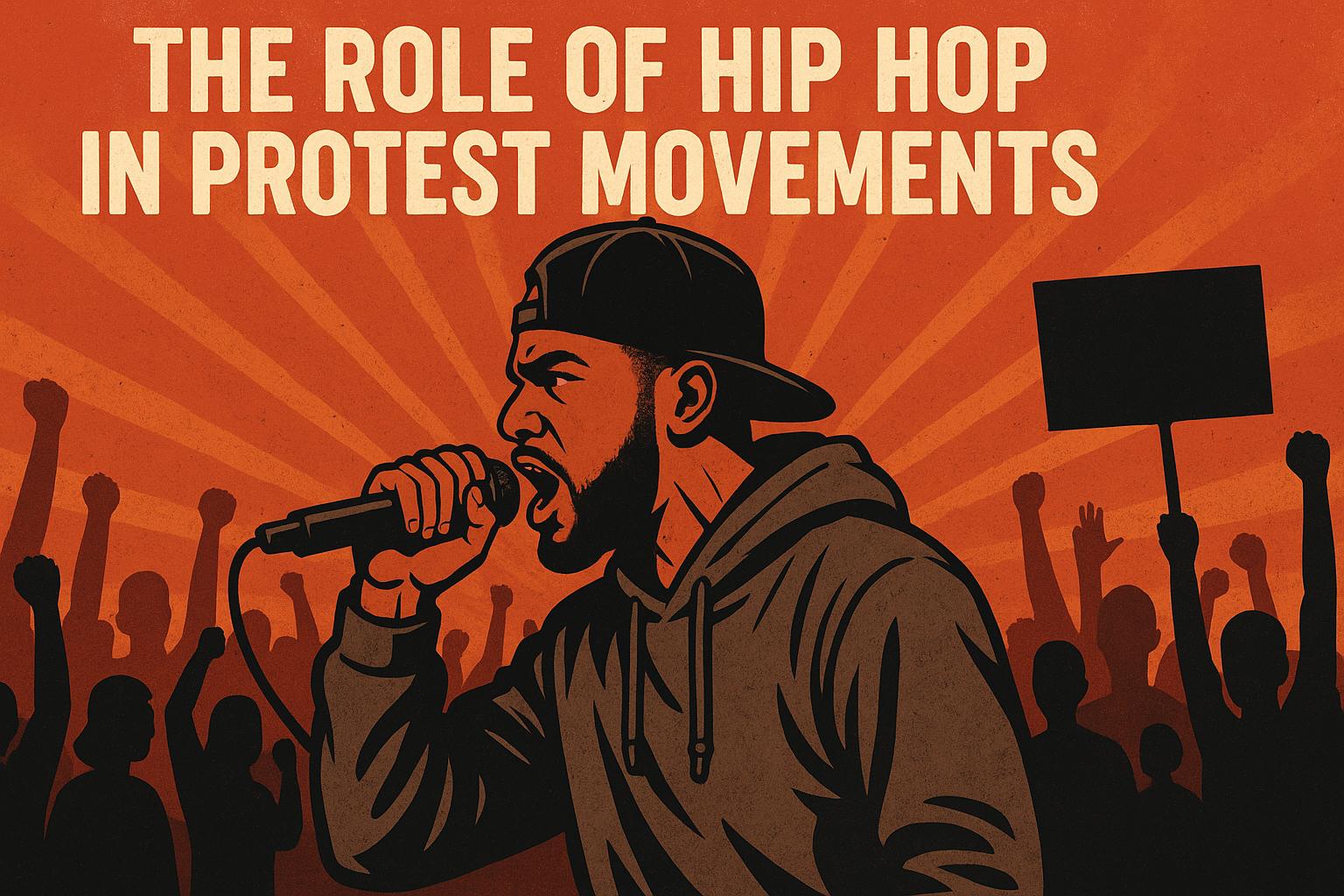
The Influence of Hip Hop in Social and Political Movements
The emergence of hip hop as a cultural phenomenon in the late 20th century has had a profound impact on social and political movements globally. Originating in the Bronx, New York, during the 1970s, hip hop quickly evolved from an urban subculture into a worldwide genre of music known for its dynamic capacity to address various social issues. This article explores the role hip hop has played in protest movements and its effectiveness in advocating for change.
The Genesis of Hip Hop as a Voice for the Marginalized
Hip hop was born from the streets, where it served as a platform for marginalized communities to express discontent and aspirations. The genre’s roots are deeply intertwined with the social conditions of African Americans and Latino neighborhoods, where systemic inequalities were prevalent. The raw and unfiltered lyrical content often highlighted issues like poverty, racial discrimination, and police brutality.
Artists such as Grandmaster Flash, with classic tracks like “The Message,” provided vivid narratives of inner-city challenges. These narratives resonated widely, turning hip hop into a tool for raising awareness and sparking dialogue about societal injustices. As hip hop gained popularity, it broadened its scope to address a myriad of global issues, reinforcing its role as a platform for bringing attention to the grievances of marginalized people worldwide.
Hip Hop in Modern Protest Movements
In recent decades, hip hop has maintained its role as a catalyst for social change. Its influence is apparent in movements such as Black Lives Matter, where artists have used their music and platforms to spotlight issues of racial inequality and police violence. Tracks like Kendrick Lamar’s “Alright” have become anthems, capturing the collective sentiment of resistance and hope within the movement.
Moreover, collaborations between artists and activists have strengthened the movement’s impact. By merging the power of music with activism, hip hop has helped to mobilize supporters, organize protests, and disseminate powerful messages globally. Music that was once a reflection of local struggles has become a universal language that transcends borders, drawing attention to international human rights issues and connecting movements for change.
International Reach and Impact
The impact of hip hop on protest movements is not confined to the United States. Internationally, hip hop has been instrumental in expressing dissent against oppressive regimes and social injustices. In countries like France, hip hop artists have addressed issues of immigration and identity. French rappers have used their music to articulate the struggles of disenfranchised immigrant communities, bringing visibility to their plight and fostering solidarity among listeners across Europe.
In regions such as North Africa and the Middle East, hip hop has been at the forefront of expressing political unrest and a desire for reform. During the Arab Spring, hip hop played a crucial role in encouraging youth activism. Rappers like El Général from Tunisia were pivotal in voicing the frustrations of the younger generation, contributing to the momentum of the protests that swept through the region. Their music highlighted corruption and social injustices, often at great personal risk, showcasing the courage and resilience of artists determined to effect change.
Criticism and Challenges
Despite its influence, hip hop’s role in protest movements is sometimes criticized. Critics argue that commercialism within the genre can dilute its effectiveness as a protest tool. As some artists prioritize mainstream appeal over political content, the genre faces the challenge of maintaining its authenticity as a voice for change. The commercial success of hip hop has led to a proliferation of content that celebrates luxury and fame, which can sometimes be at odds with the genre’s roots in social activism.
Additionally, the portrayal of violence and materialism in certain hip hop lyrics is often scrutinized, potentially overshadowing its positive contributions to social movements. Balancing commercial success with meaningful activism remains an ongoing challenge for the hip hop community. Artists advocating for change must navigate the demands of the music industry, striving to maintain their artistic integrity while reaching a broad audience.
Continuing Evolution
The relationship between hip hop and protest movements is dynamic and continually evolving. As societal issues change, so too does the focus of hip hop artistry and activism. Emerging artists continue to explore new themes and leverage digital platforms to reach wider audiences. Social media and streaming services have opened up new channels for artists to disseminate their messages, connecting with fans and activists around the world in real-time.
In conclusion, hip hop remains an influential element in protest movements, providing a powerful medium for marginalized voices. Its ability to unite, inform, and inspire ensures that it will continue to play a vital role in the ongoing struggle for social justice worldwide. As the genre evolves, it presents new opportunities for artists and activists to collaborate in innovative and impactful ways. The potential for hip hop to engage with new audiences and address emerging issues is vast, underscoring its lasting significance as both a cultural and political force.
To explore more about the intersection of hip hop and protest movements, consider visiting this article for further reading.