How Hip Hop Became a Global Phenomenon

How Hip Hop Became a Global Phenomenon

The Origins of Hip Hop

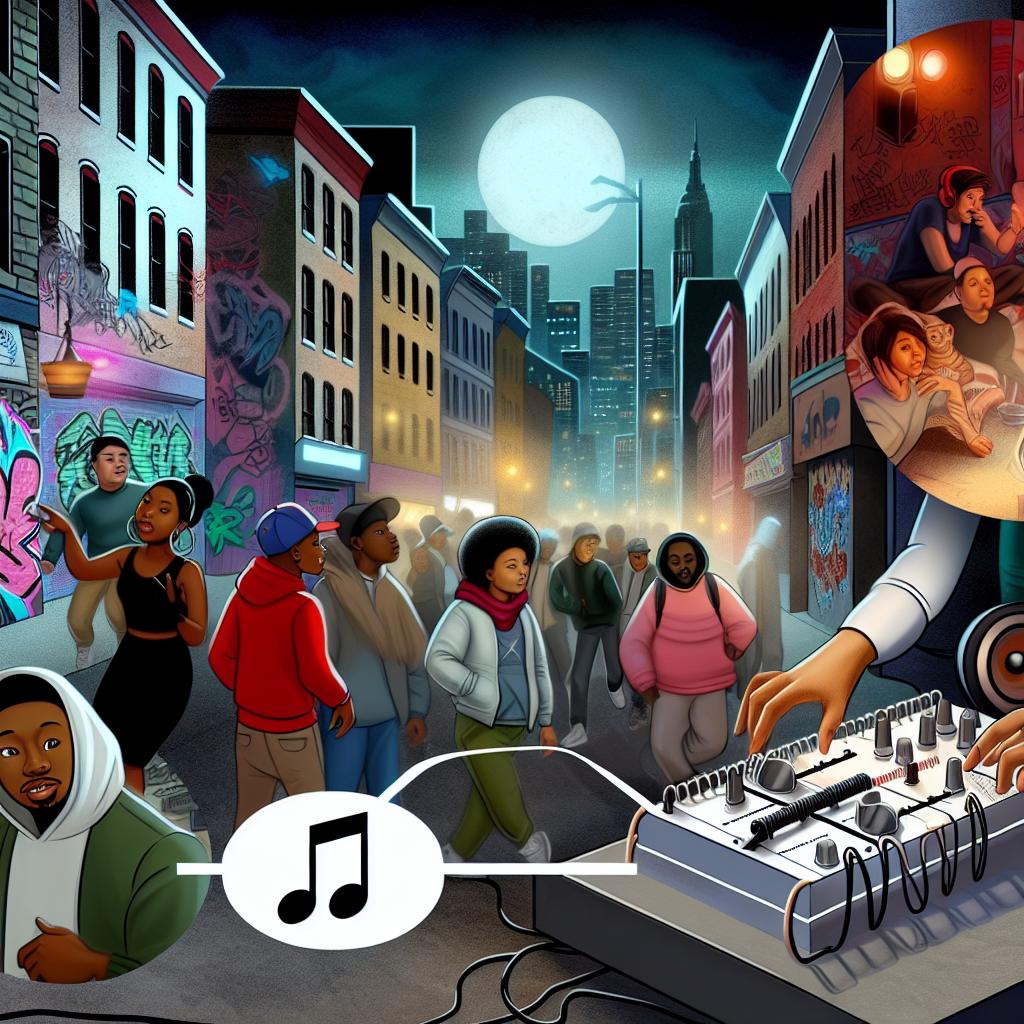
The genre of hip hop originated in the Bronx, New York City, during the early 1970s. It was developed as a form of expression among African American and Latino youths, influenced by elements such as DJing, MCing, graffiti art, and breakdancing. DJ Kool Herc, known for his innovative turntable techniques, played a significant role in its inception.

This artistic expression emerged as communities sought to address social and political issues prevalent in their daily lives. The genre quickly gained prominence as it provided a voice to those often unheard in mainstream media. During this period, the urban landscape of New York City was ripe for the birth of such a transformative cultural movement, characterized by creativity and resilience.

Key Elements of Hip Hop Culture

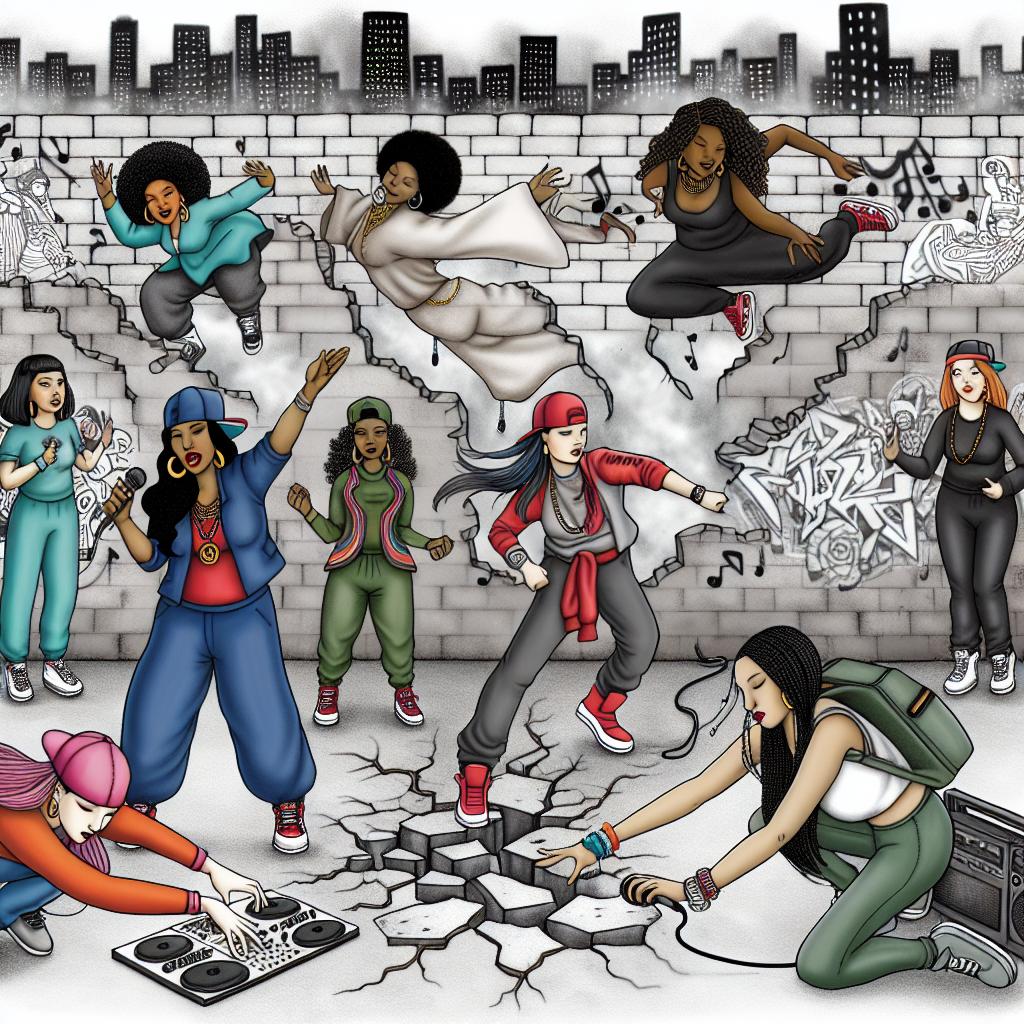
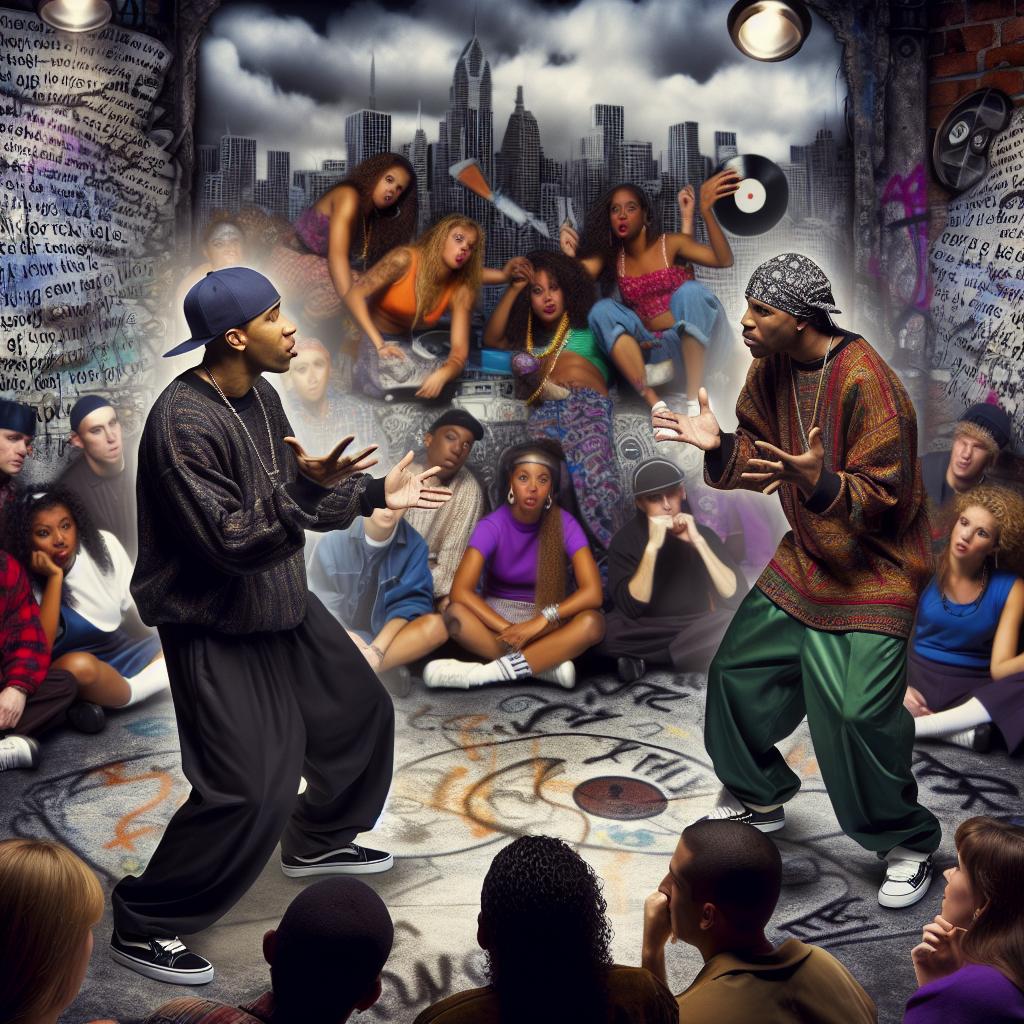
Hip hop is generally characterized by four main elements: DJing, MCing, graffiti art, and breakdancing. Each element provided a unique platform for individuals to express their creativity and address social issues. These elements collectively contributed to hip hop’s identity and cultural significance.

DJing involves the art of controlling and mixing music to create a continuous flow of sound. DJ Kool Herc is often credited with pioneering the practice of DJing, particularly the technique of using two turntables to extend the breaks in a song. This allowed dancers more time to showcase their moves, giving birth to the term “breakdancing.”

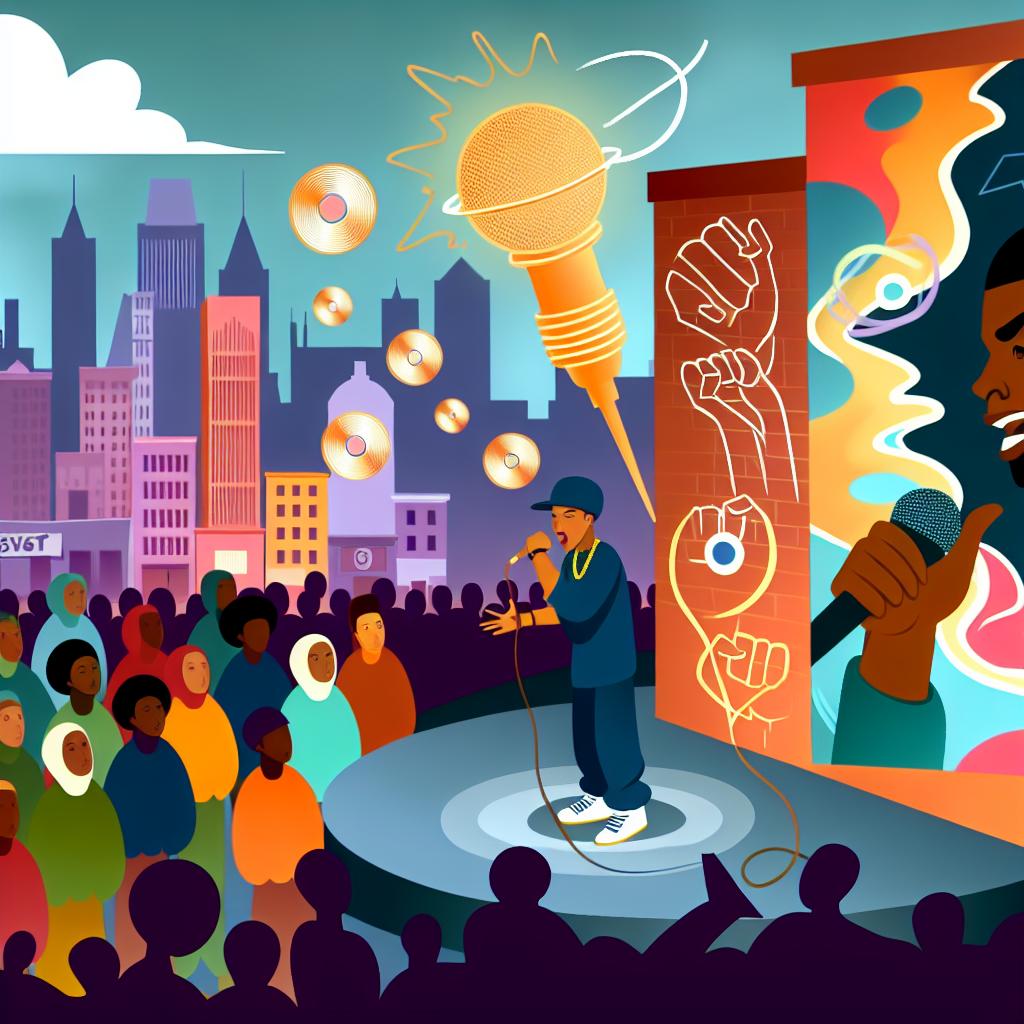
MCing, or rapping, is the vocal element of hip hop where artists deliver rhymes and lyrics over a beat. This expressive form of storytelling can cover a wide array of subjects, ranging from personal experiences to broader political or social themes.

Graffiti art, often seen as a visual representation of hip hop culture, emerged alongside the music. It provided a canvas for street artists to express their thoughts and messages through provocative imagery and styles. The subway trains and city walls of New York became these artists’ canvases, making the urban environment an integral part of hip hop’s visual identity.

Breakdancing, or b-boying, is the physical embodiment of hip hop. This dynamic dance form blends intricate footwork, acrobatic moves, and rhythmic interpretation to create captivating and energetic performances. It emerged from the street and block parties of the Bronx, adding a physical dimension to hip hop culture.

The Expansion Beyond the United States

During the 1980s and 1990s, hip hop began to spread beyond the United States as artists toured internationally and the media spotlighted the genre. Gradually, it gained popularity in different countries, with local artists adopting and adapting hip hop to reflect their distinct experiences and cultural contexts.

The international appeal of hip hop lay in its ability to resonate with diverse communities, often marginalized or underrepresented in mainstream cultural narratives. The ethos of self-expression and social commentary found in hip hop allowed it to cross cultural and linguistic barriers, resulting in a multiplicity of styles and sounds.

European Influence and Adaptation

Europe was among the first regions outside the USA to embrace hip hop culture. Countries like France, Germany, and the United Kingdom saw a burgeoning hip hop scene in the 1980s. Local artists incorporated their languages and regional issues into hip hop, allowing the movement to resonate deeply with new audiences.

In France, for example, hip hop became a voice for immigrant and working-class communities, addressing social issues related to race, identity, and economic disparity. French hip hop artists often intertwined their lyrics with local experiences, establishing a unique style that continues to thrive.

In the United Kingdom, the emergence of hip hop influenced the rise of related genres such as grime, which features fast-paced beats and intricate lyrical content, reflecting the multicultural fabric of British society.

Hip Hop in Asia and Africa

Hip hop’s influence in Asia gained traction in the 1990s and early 2000s. Countries such as Japan and South Korea developed vibrant hip hop scenes that blended Western elements with traditional sounds. In Africa, hip hop became a tool for addressing political and social issues, with nations like Kenya and South Africa contributing significant artists to the global scene.

Japanese hip hop embraced an eclectic mix of Western trends while infusing aspects of Japanese culture, resulting in a rich and diverse musical landscape. Similarly, South Korea’s hip hop scene has witnessed incredible growth, evolving into a global phenomenon with its idiosyncratic K-hip hop style.

In Africa, artists have harnessed hip hop’s power to tackle critical social issues, using music to comment on governance, poverty, and human rights. The genre’s adaptability and cultural resonance have allowed it to flourish across the continent, influencing new generations of artists and audiences.

The Role of the Internet and Social Media

The advent of the internet and social media platforms revolutionized the reach of hip hop. Artists can now share their music globally, interact with fans, and collaborate with others regardless of geographical boundaries. This digital era has facilitated cross-cultural exchange and innovation within the genre.

Social media platforms like YouTube, Instagram, and Twitter offer artists a direct line to their audience, transforming how music is marketed and consumed. Online communities have formed around hip hop culture, driving engagement and allowing fans to connect over shared interests and themes, regardless of location.

Moreover, the digital landscape has democratized the production and distribution of music, enabling independent artists to build their audiences without the need for traditional record labels. This has resulted in a more diverse and inclusive hip hop ecosystem, where different styles and voices can thrive.

Global Festivals and Collaborations

International festivals and collaborations further cement the global status of hip hop. Events like the Rolling Loud Festival and Coachella feature hip hop artists from around the world, attracting diverse audiences. Collaborations between artists from different countries also exemplify the genre’s global appeal and versatility.

These festivals showcase hip hop’s broad appeal, bringing together fans and artists from different cultural and linguistic backgrounds. The collaborative nature of music creation in hip hop encourages artists to experiment and push boundaries, leading to innovative and cross-genre projects.

Collaborations like these have also spawned groundbreaking music that combines distinctive styles, sounds, and themes, enriching the global music tapestry. By working together, artists share their unique perspectives and cultural nuances, broadening the genre’s impact and appeal.

Conclusion

Hip hop has evolved from a local movement in the Bronx to a global cultural phenomenon. Its adaptability and ability to address universal themes of identity, social justice, and resilience have contributed to its widespread acceptance. As hip hop continues to grow and evolve, it remains a defining force in contemporary cultural expression.

From its roots in New York City to its global reach today, hip hop’s journey exemplifies the power of cultural exchange and innovation. The genre not only provides an artistic outlet but also fosters dialogue and understanding among diverse communities, underscoring its significance in shaping contemporary culture. As the sound of hip hop continues to evolve, so does its influence on the world stage, ensuring its place as a vital force in the realm of music and beyond.

The Role of the Bronx in Hip Hop’s Early Days

The Role of the Bronx in Hip Hop’s Early Days

The Birthplace of Hip Hop: The Bronx

The Bronx, one of New York City’s five boroughs, holds a significant place in the history of hip hop as it is widely recognized as the birthplace of the genre. During the early 1970s, the socio-economic conditions in the Bronx were challenging, with urban decay and poverty affecting many communities. However, this environment gave rise to a cultural movement that would eventually become a global phenomenon.

Key Figures and Early Influences

Several influential figures emerged from the Bronx during hip hop’s formative years. Kool Herc, a Jamaican-American DJ, is often credited with laying the groundwork for hip hop music. His innovative use of turntables to extend the break sections of funk, soul, and disco songs became the foundation of breakbeat DJing, a cornerstone of hip hop music.

Another pivotal figure was Afrika Bambaataa, who founded the Zulu Nation and used music as a means to foster peace and unity in his community. Through events and gatherings, Bambaataa played a crucial role in uniting people through the power of music and dance.

Cultural Elements and Innovations

Hip hop is a multifaceted cultural movement that encompasses four main elements: DJing, MCing (rapping), breakdancing, and graffiti art. In the Bronx, these elements intertwined organically, reflecting the creativity and resilience of its residents.

DJing and MCing became the musical expressions of hip hop, with DJs manipulating turntables to create continuous music and MCs using rhymes and rhythms to engage the audience. Breakdancing emerged as a dynamic form of street dance, characterized by intricate footwork and impressive acrobatics. Meanwhile, graffiti art transformed the urban landscape, turning public spaces into vibrant canvases of expression.

Block Parties: The Community’s Heartbeat

Block parties were instrumental in the spread of hip hop culture throughout the Bronx. These communal gatherings, often held in parks or on street corners, provided a platform for DJs, MCs, and dancers to showcase their talents. They were inclusive events where people from different backgrounds could come together and celebrate the music and culture.

The significance of block parties in the Bronx extends beyond entertainment. These events served as a critical social hub for neighborhood residents. They offered a sense of belonging in a time and place where despair was often a daily reality. Young people found inspiration and motivation as they witnessed the creativity and energy of performers. Aspiring DJs and MCs could test their skills, gain confidence, and earn the respect of their peers.

Block parties provided a supportive environment where emerging artists could hone their craft and develop a unique style. The communal spirit fostered collaboration, encouraging DJs and MCs to work together and exchange ideas. It was during these gatherings that many of the foundational techniques and innovations in hip hop were refined and perfected.

The Evolution and Impact of Hip Hop Culture

The impact of hip hop culture went far beyond the borders of the Bronx. As the movement gained momentum, it began to influence other boroughs in New York City and eventually spread to different parts of the United States and the world. Each region and community absorbed the basic elements of hip hop and infused it with local flavor, creating diverse interpretations of the genre.

This cultural expansion led to the rise of hip hop as a global phenomenon. Aspiring artists around the world found a voice and a medium to express themselves through music, dance, and visual art. Hip hop became a powerful tool for social commentary, addressing issues such as inequality, racism, and economic hardship. The genre’s emphasis on self-expression and authenticity resonated with individuals from diverse backgrounds, making it a unifying cultural force.

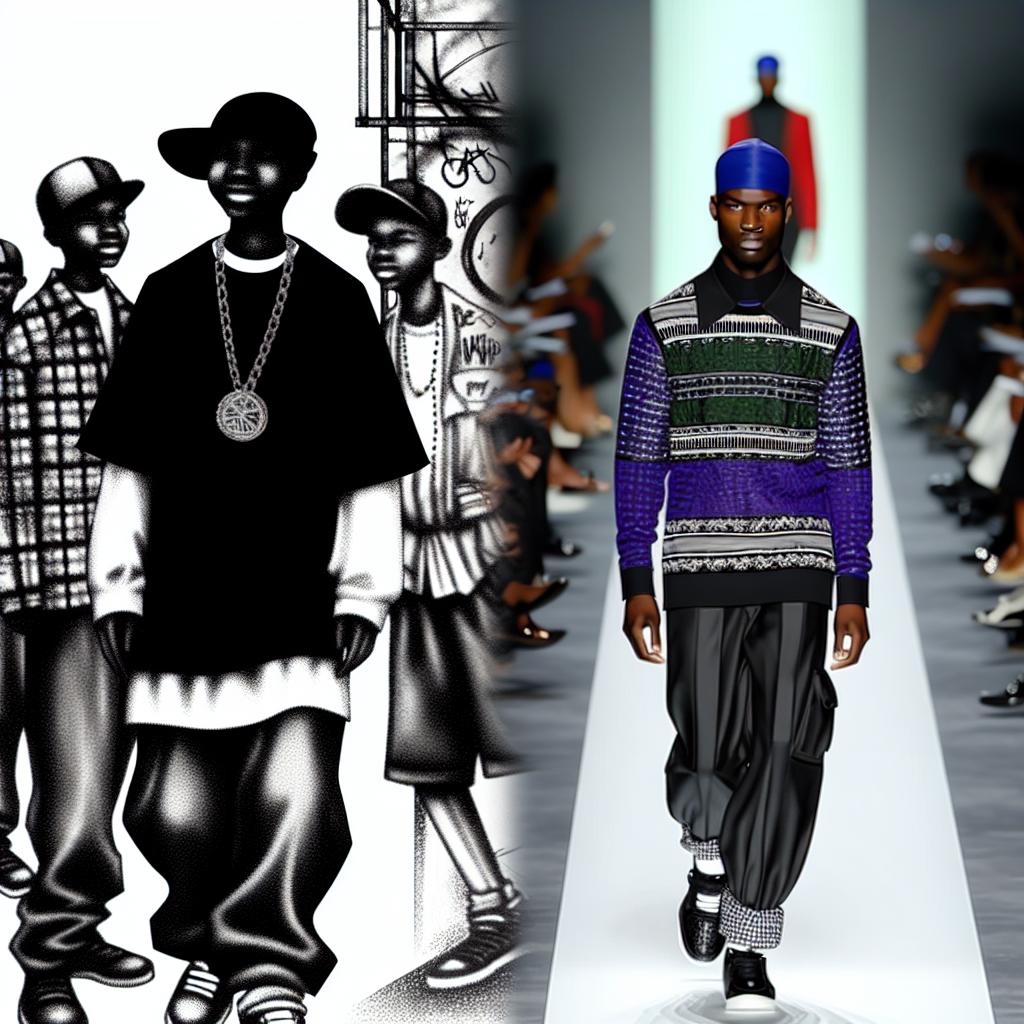
Hip hop’s influence extends into various fields. In music, it has evolved into numerous subgenres, from hardcore rap to melodic and abstract hip hop styles. The beats and rhythms that originated in the Bronx can be heard in popular music worldwide. In fashion, urban streetwear inspired by hip hop culture has become a dominant trend, showcasing the genre’s impact on personal style and identity.

The visual art world has also been transformed by hip hop’s influence. Graffiti artists, who were initially seen as vandals, now gain recognition for their creativity and talent. Graffiti has been embraced as a legitimate form of artistic expression by galleries and museums. This shift highlights hip hop’s ability to challenge and redefine conventional notions of art and culture.

The Legacy of the Bronx

The Bronx’s impact on hip hop is profound and enduring. Although the art form has since spread globally, the Bronx remains a symbol of the genre’s roots. The borough serves as a reminder of how music and culture can emerge from adversity to create lasting societal change.

Today, the Bronx continues to inspire new generations. The cultural innovations that began there have left an indelible mark on music, art, and fashion worldwide. Various organizations and institutions celebrate the history and evolution of hip hop, ensuring that the contributions of early pioneers are remembered and respected. Programs dedicated to music history and cultural studies explore the genre’s historical significance and ongoing impact.

The story of hip hop in the Bronx is a testament to the transformative power of creativity and perseverance in the face of adversity. What began as a grassroots movement in a struggling neighborhood has grown into a worldwide cultural phenomenon. The Bronx’s contribution to the hip hop genre serves as a reminder of the potential for art and culture to inspire change, bridge divides, and bring people together.

For those interested in learning more about the history of hip hop and its impact, resources are available that delve into the subject’s rich and complex narrative. Exploring these sources offers a deeper understanding of how a neighborhood in New York City became the epicenter of a global movement.

The Four Elements of Hip Hop: DJing, MCing, Breaking, and Graffiti

The Four Elements of Hip Hop: DJing, MCing, Breaking, and Graffiti

The Four Elements of Hip Hop: An Overview

Hip hop culture, which emerged in the Bronx, New York City during the late 1970s, is built on four fundamental elements: DJing, MCing, Breaking, and Graffiti. These components are the pillars that contribute to hip hop’s rich and vibrant culture. Each element plays a crucial role in forming the global influence of hip hop as we know it today.

DJing

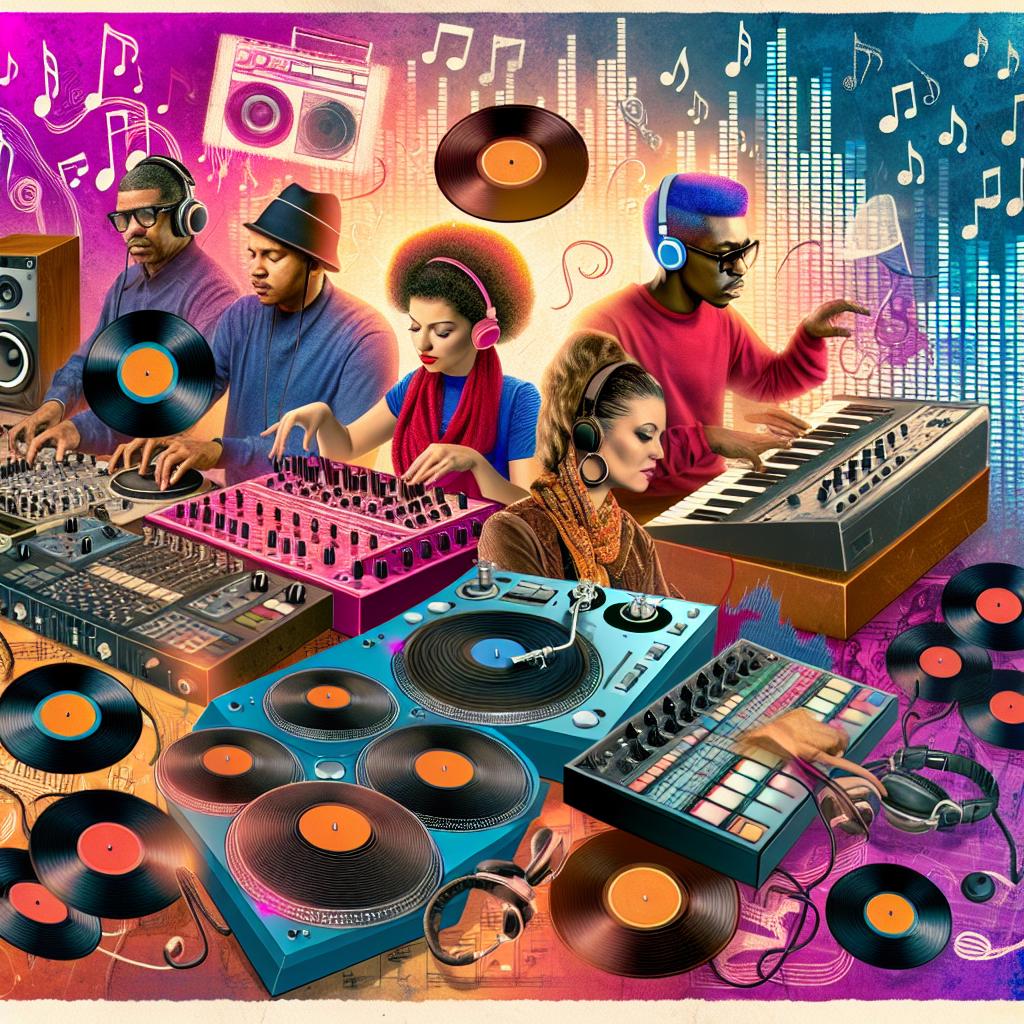
DJing is the art of manipulating sounds and creating music using turntables and a mixer. DJs were the initial driving force of hip hop culture. They began by extending the instrumental sections of songs, known as breaks, which energized their audiences. Key figures in DJing, such as DJ Kool Herc, Grandmaster Flash, and Afrika Bambaataa, played a vital role in shaping the sound and dynamics of hip hop music. The techniques developed by these pioneers, including scratching and beat juggling, remain foundational in hip hop music production today.

DJ Kool Herc is often credited with kickstarting this element back in the early days by isolating the break beats of funk and disco tracks and playing them consecutively to create an extended dance rhythm. This practice gave dancers more time to showcase their skills. Furthermore, DJ Kool Herc’s innovation of using two turntables allowed him to mix different tracks seamlessly, creating a non-stop party atmosphere that became a hallmark of hip hop gatherings.

Grandmaster Flash took DJing to another level with his use of the mixer and headphones to pre-cue tracks, ensuring smoother transitions and maintaining the party’s energy. His development of the “Quick Mix Theory,” which involved incorporating different snippets of music into a single track, became a cornerstone of DJ techniques. Likewise, innovations such as scratching, which were popularized by Grand Wizard Theodore, transformed turntables into instruments rather than just playback devices. This further enriched the musical dimension of hip hop by giving DJs creative control over both rhythm and sound effects.

MCing

MCing, also known as rapping, is the vocal expression of hip hop. MCs perform spoken or chanted rhymes, often complementing the DJ’s beats. Initially serving as the DJs’ emcees, they would energize the crowd and keep the party going by delivering creative and witty rhymes over the music.

Pioneering MCs, such as Run-D.M.C. and Rakim, elevated rhyming into an essential and respected art form. Run-D.M.C. integrated the MC’s role, transforming it from mere crowd engagement to an expressive narrative art form. They introduced complex lyrical structures and thematic content based on urban life, which resonated widely with audiences. Rakim, on the other hand, is lauded for introducing rich lyrical complexity into hip hop. Known for his use of internal rhyming schemes and deeper philosophies, he set a new standard for what was possible within the genre.

Beyond the lyrical content, MCing also involves performance, commanding the stage with charisma and presence. The vocal rhythms and cadences developed by early MCs have become integral to the hip hop sound. Much more than just reciting lyrics, MCing involves engaging with the audience, improvising, and establishing a unique flow that complements the beats provided by DJs. This evolution of MCing has allowed it to expand beyond its roots into political commentary and social expression, becoming an influential voice in various communities around the world.

Breaking

b-boying, often referred to as breakdancing, is a dynamic style of street dance. It evolved alongside DJing, with dancers performing intricate dance battles during the instrumental breaks of songs. Breaking combines elements of rhythm, athleticism, and creativity, characterized by intricate footwork, spins, and gravity-defying moves.

Groups such as the Rock Steady Crew and dancers like Crazy Legs played a significant role in defining the aesthetics and standards of breaking. Their performances did not just stress physical prowess but also emphasized style, form, and the importance of executing bold, unique moves. The creativity inherent in breaking allows dancers to represent their identity through their movement, often leading to high-energy battles judged not just on technical skill but also on creativity and flair.

To this day, breaking remains a defining characteristic of hip hop culture and continues to influence various forms of modern dance. It serves as an entry point to the culture for many young people, fostering community and self-expression in public spaces. Breaking competitions now occur globally, showcasing the talent and innovation of b-boys and b-girls and broadening the appeal of hip hop dance.

Graffiti

Graffiti represents the visual art aspect of hip hop. Emerging in the urban landscapes of New York City, graffiti artists began using walls and buildings as their canvases, creating vibrant and expressive artwork. This form of art often serves as a means of social and political expression, with stylized lettering and imagery being the norm.

Graffiti art is characterized by its bold colors, intricate designs, and transformative use of urban spaces. Artists like Taki 183 and Jean-Michel Basquiat have helped push graffiti beyond its original settings into the mainstream art world. While often viewed through the lens of rebellion and subversion, graffiti brings attention to the socio-political context of urban environments. It reflects the voices of those traditionally marginalized, speaking volumes through images and tags.

The tension between graffiti as art and graffiti as vandalism remains a critical discussion point, but its cultural value within hip hop is undeniable. It allows individuals to reclaim public spaces, providing an artistic landscape that transforms cityscapes and infuses them with personal narratives.

Through DJing, MCing, Breaking, and Graffiti, hip hop has influenced countless aspects of society and culture worldwide, breaking boundaries and continuously evolving while retaining its roots. These four elements work in harmony to celebrate individual expression and community, embodying the heart of hip hop culture.

Beyond the individual contributions of each element, they create a synergy that underscores the core values of hip hop culture. The interplay between music, dance, visual art, and poetry reflects the holistic nature of hip hop, capturing diverse forms of expression and fostering an inclusive community where innovation and experimentation are celebrated.

Moreover, hip hop’s influence transcends geographical and cultural boundaries, touching various realms such as fashion, language, social discourse, and technology. Its role in advocating for social justice and equality has enabled it to become a platform for powerful voices, challenging societal norms and advocating change.

Understanding and appreciating the four elements of hip hop provides a foundation for recognizing not just the art and entertainment it offers, but also its enduring role as a meaningful cultural movement. Each element represents a unique facet of creativity and resilience, blending past traditions with present expressions to shape future narratives.

The Influence of DJ Kool Herc on Hip Hop

The Influence of DJ Kool Herc on Hip Hop

The Contribution of DJ Kool Herc to Hip Hop

The origins of hip hop can be traced back to the 1970s in the Bronx, New York City. During this time, a young DJ named Clive Campbell, known by his stage name DJ Kool Herc, played a pivotal role in shaping the genre. His influence remains a foundational element in the history of hip hop.

Understanding DJ Kool Herc’s Techniques

DJ Kool Herc introduced the technique of breakbeat DJing, which became a cornerstone of hip hop music. This method involved isolating and extending a song’s percussion break to allow for a prolonged segment where dancers could showcase their skills. By using two turntables and a mixer, he was able to switch between records, loop the breakbeats, and create a continuous dance rhythm, giving rise to a new musical experience.

This new approach to DJing revolutionized the way music was experienced at parties and events. The extended breaks allowed dancers, later known as breakdancers or b-boys and b-girls, to express themselves more freely. Herc’s innovation provided a platform for a new dance form that became one of the four key elements of hip hop culture.

The Impact on DJ Culture

The innovations of DJ Kool Herc laid the groundwork for future DJs to expand upon. His use of turntables transformed the role of a DJ from simply playing music to creating an interactive and dynamic experience for the audience. Herc’s technique encouraged DJs to become more creative and spontaneous, using their equipment to interact with the music in a live setting.

Through his pioneering work, DJ Kool Herc influenced countless aspiring DJs, cementing a lasting impact on DJ culture. His creative spirit encouraged DJs to develop their unique styles, experiment with sound manipulation, and explore the vast potential of music mixing. As a result, the role of the DJ evolved from a background figure to a central figure in music production and live performances.

Block Parties and Community Influence

In the early days of his career, DJ Kool Herc frequently performed at block parties, which were a staple of community life in the Bronx. These gatherings at Sedgwick Avenue were more than just entertainment; they served as a unifying force for the neighborhood. The inclusive nature of these events contributed to the spread of hip hop culture and fostered a sense of community and shared identity among attendees.

Block parties became a melting pot of cultural exchange, where individuals from various backgrounds could come together and enjoy the new sounds of hip hop. DJ Kool Herc’s music transcended social and cultural barriers, resonating with people from different walks of life. This inclusivity fundamentally shaped the communal and diverse nature of hip hop culture as it is known today.

Legacy and Recognition

DJ Kool Herc’s contributions to the hip hop genre have been widely recognized. Although he did not achieve the commercial fame of some later artists, his pioneering work laid the foundation for other elements of hip hop, including MCing, graffiti art, and b-boying. His legacy is celebrated through various documentaries, music festivals, and scholarly works.

In 2007, DJ Kool Herc’s cultural contributions were further acknowledged when he was honored at the VH1 Hip Hop Honors event. Scholars and enthusiasts continue to research and celebrate his influence on hip hop through numerous books and articles, ensuring that his story and impact are passed on to future generations.

The Rock & Roll Hall of Fame has also acknowledged the significance of hip hop’s origins and recognizes DJ Kool Herc as a key founder of the genre. His story is a testament to the power of innovation and the ability of music to bring people together, transcending boundaries and creating lasting cultural movements.

In conclusion, DJ Kool Herc’s influence on the hip hop genre is undeniable. Through his innovative techniques and community-driven performances, he helped to establish a cultural movement that continues to impact music and society today. His legacy persists in the sound of hip hop tracks, the creativity of DJs and the global embrace of hip hop culture. For more on hip hop’s origins and development, visit official resources such as the Rock & Roll Hall of Fame.

The Origins of Hip Hop Culture

The Origins of Hip Hop Culture

The Emergence of Hip Hop Culture

The origins of hip hop culture can be traced back to the early 1970s in the Bronx, New York City. This cultural movement was primarily created by African American, Latino, and Caribbean youth who were influenced by their sociopolitical environment. The term “hip hop” encompasses different forms of expression, including music, dance, art, and fashion.

The Sociocultural Context

During the period when hip hop emerged, the Bronx was characterized by a significant economic decline and urban neglect. Many residents faced poverty, unemployment, and a lack of essential social services. The construction of the Cross Bronx Expressway in the 1950s and 1960s further exacerbated the situation, leading to widespread displacement and housing deterioration. Within this challenging environment, young people sought inventive forms of expression that could articulate their experiences and aspirations.

Musical Roots

The musical facet of hip hop, which later became widely recognized as rap music, owes much to earlier genres. Elements from jazz, blues, and funk were combined with techniques borrowed from Jamaican dub and toasting traditions. A pivotal figure in this development was DJ Kool Herc, a Jamaican immigrant. He is credited with pioneering the use of two turntables to extend the break sections of records, which dancers known as b-boys and b-girls would perform to.

The Role of the DJ

DJs played an essential role in early hip hop culture. By manipulating vinyl records, they created new sounds and energized dance floors at block parties and community gatherings. Alongside DJ Kool Herc, figures like Afrika Bambaataa and Grandmaster Flash were influential in evolving DJ practices. These pioneers developed techniques like scratching and beat juggling, which remain fundamental to hip hop music production today.

The DJ’s role did not merely involve playing music but also acting as a guiding figure in the community, providing a space for expression and dialogue. As hip hop evolved, the DJ’s ability to innovate grew in significance, pushing the boundaries of what could be done with sound.

Visual and Dance Elements

Graffiti and breakdancing are other vital aspects of hip hop culture. Graffiti artists transformed urban landscapes into canvases, expressing social and political themes through vibrant imagery. This art form became known as “writing” and often featured stylized lettering and symbols. Graffiti allowed individuals to make a public statement, to claim space in the urban environment, and to gain recognition from peers.

Breakdancing, also known as breaking, is a street dance style that developed alongside the music. It incorporates acrobatic movements and complex footwork, reflecting the creativity and competitiveness of its practitioners. Breakers often engage in battles, showcasing their skills in a dynamic and public forum. These battles are not just about dance moves; they are cultural exchanges that sustain and develop the art form.

Cultural Impact and Legacy

Initially localized, hip hop culture quickly spread beyond the Bronx, influencing communities worldwide. It provided a voice to marginalized groups and promoted messages of resistance and creativity. As hip hop evolved, it became an integral part of mainstream culture, influencing art, fashion, and language.

The expansion of hip hop across the globe allowed diverse cultures to incorporate its elements while preserving their unique identities. It became a platform for discussing social issues, transcending linguistic and cultural barriers. Hip hop’s adaptability is a testament to its powerful foundation and its ability to inspire a broad audience.

Though it has undergone many transformations, the foundational elements of hip hop remain influential. These elements continue to shape the genres spawned from hip hop’s original sound and ethos. Innovations in technology and communications have only amplified this cultural exchange, allowing new voices to emerge within the hip hop community. To explore more about hip hop’s history and its contributors, various resources are available online, providing deeper insights into this global phenomenon.

Global Adoption and Adaptation

The allure of hip hop has seen it transform from its origins in the Bronx to becoming a dominant form of expression worldwide. Its acceptance in various countries has led to a diversification of its core elements, as local cultures infuse the art form with regionally significant themes and styles, yet the core message of hip hop—a reflection of life’s challenges and victories—remains unchanged.

Economic Repercussions

With hip hop’s rise in popularity, it has also seen significant economic ramifications. The music industry has adapted to its demand, leading to the monetization of its artists and cultural products. This financial success has made hip hop an aspirational genre, providing opportunities beyond artistic expression, including careers in business, fashion, and media.

Bridging Divides

Interestingly, hip hop has served as a bridge across cultural divides. It has played a role in bringing together communities from different ethnic, social, and economic backgrounds, providing a shared space for expression. This bridging power makes hip hop more than just a cultural phenomenon; it is a tool for social change and unity.

Challenges in Representation

However, as hip hop continues to evolve, it faces challenges, particularly regarding authenticity and representation. The commercialization of the genre raises questions about the portrayal of its roots and original values. Ongoing dialogue within the hip hop community helps address these challenges, ensuring that its history and foundational principles are honored.

The emergence of hip hop culture exemplifies the continuous evolution of cultural expression borne from socioeconomic conditions and community resilience. As it grows, hip hop embraces new ideas while maintaining its core, always returning to its roots as a voice for the unheard and a dynamic form of artistic expression. Hip hop’s journey is emblematic of cultural exchange, showing how music and art can break down borders and shape societies.